
Cal State University Policy Bans Professors from Using Native American Artifacts in Class
‘California buries science’
By Katy Grimes, July 7, 2025 5:29 pm
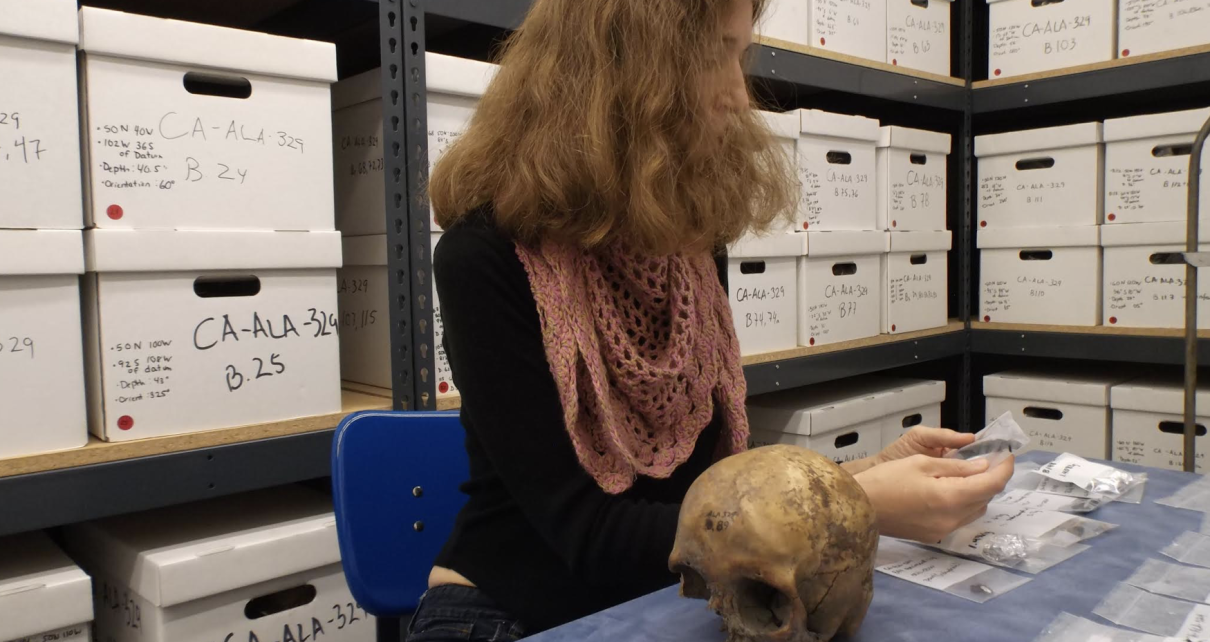
In October 2023, California Governor Gavin Newsom signed two anti-science education bills (AB226 and AB389) into law, that require the University of California and the California State University systems to bar the use of skeletal collections that cannot be affiliated with any living descendants for research and teaching purposes, San José State University Anthropology Professor Elizabeth Weiss reported for the Globe.
Weiss clarified that teaching collections were never intended to be included in the Native American Graves Protection and Repatriation Act. And she noted that Democrats claim to be the party of science and science education.
Weiss explained:
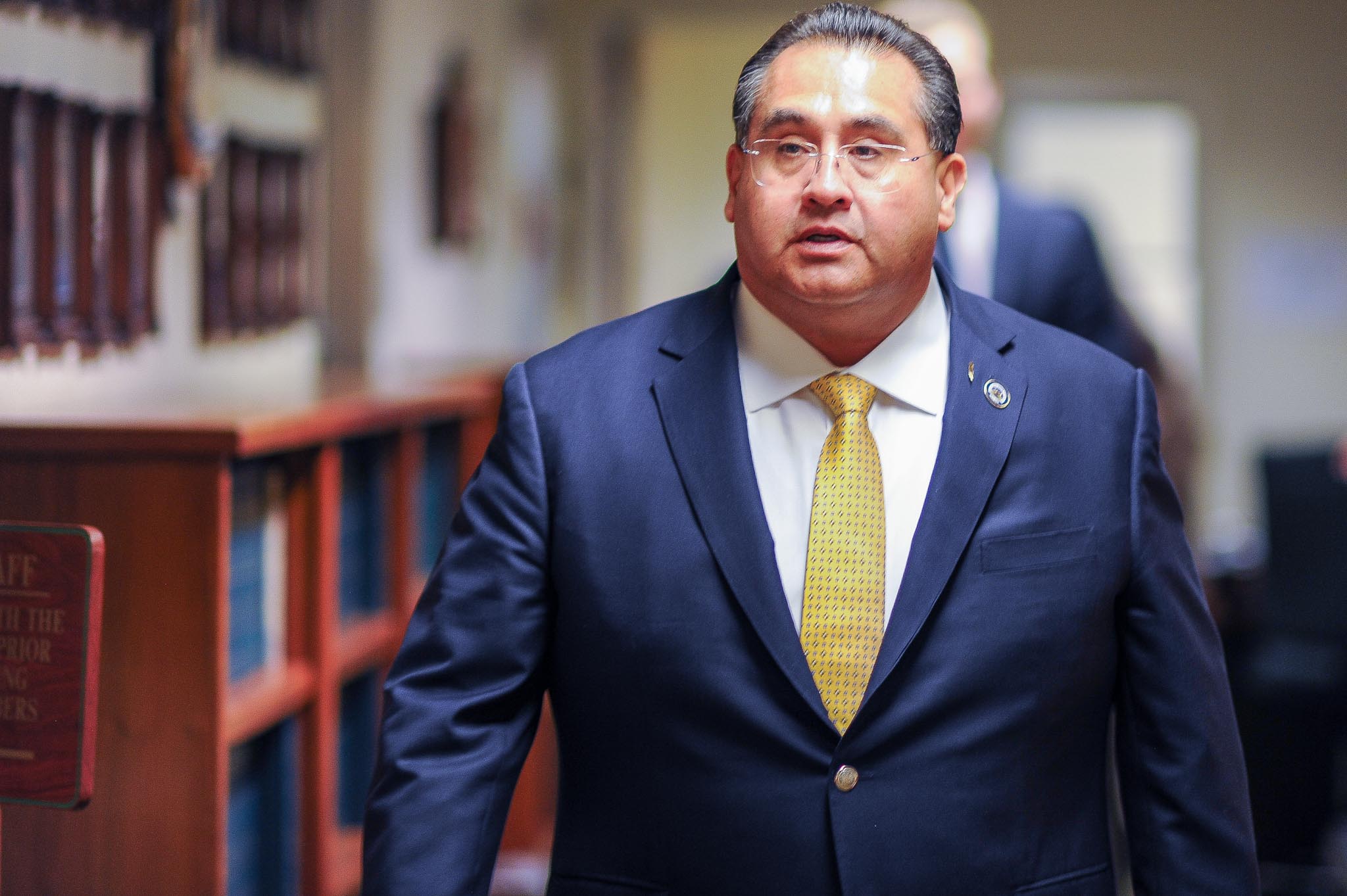
AB 226 by Assemblyman James Ramos (D-San Bernardino), which applies to the University of California system – California’s research-focused public university system – states that “The University of California is strongly urged to prohibit use of any Native American human remains or cultural items for purposes of teaching or research at the University of California.” Even more egregiously, AB 389, also authored by Assemblyman James Ramos, which applies to the California State University system – California’s 23 campus public university system which focuses on teaching – includes the requirement to adopt “a policy that prohibits the use of Native American human remains or cultural items for the purposes of teaching or research at the California State University while in the possession of a California State University campus or museum.”
Professor Weiss updated her article in May 2025, warning that California State University, Los Angeles (Cal State LA) librarians, chairs, associate deans and deans received an email from Academic Affairs demanding that they provide lists of Items of Cultural Significance for Native California Tribal Communities, including “objects purchased or gifted to you or the campus at any point in time.” Weiss said the “overreach, demanding everything of Native Californian origin, is a violation of the US Constitution’s 4thAmendment (which protects individuals from unreasonable searches and seizures by the government, requiring warrants to be issued based on probable cause). But, these actions will harm Californian native artists and artisans most – under these circumstances, who would be willing to buy, or gift works from California Native artists, from jewelry to ceramics to paintings? Their magnificent creations will be shunned, and all of us will be the poorer for it.”
Micaiah Bilger at The College Fix reports today that this policy is now being implemented in the Cal State University system:
The California State University system has rolled out a new policy that prohibits professors from using Native American “cultural items” in class – unless they obtain permission from the tribe.
The 23-campus system has been working on the revised policy for several years in connection to the Native American Graves Protection and Repatriation Act, or NAGPRA, and California’s state version. The laws require government and public entities to restore human remains and “cultural items” to their direct descendants.
The policy, published July 1, outlines the method by which universities must identify and repatriate these items to Native American tribes.
“All CSU campuses must implement processes that ensure timely, lawful repatriation of Human Remains and Cultural Items, including respectful treatment and handling while in CSU custody,” the policy states.
As Professor Weiss reported, “with AB226 and AB389 in place, Native American reburial activists will likely claim the entire collections, and laws such as AB275 will support these unscientific claims, since the law states that ‘If there is conflicting evidence, tribal traditional knowledge shall be provided deference,’ even when this consists of creation myths and other spiritual tales. When the collections are lost, we lose a tool to train the next generation who would bring justice to families of victims of terrorism, other crimes, and natural disasters. And, all we’ll have left to offer these families is ‘thoughts and prayers,’ brought to you by the party of science.”
The Globe asked Professor Elizabeth Weiss her current thoughts on this policy. This is her response:
The “Interim CSU Native American Graves Protection and Repatriation Act (NAGPRA) Policy” is an anti-science, Stasi-esque policy that will infiltrate many aspects of campuses and lead to a culture of fear.
The policy is intended to “enforce prohibition on the use of Human Remains and Cultural Items in research, teaching or display.” Thus, research, which is defined in the policy as “…any study, analysis, examination, or other means of acquiring or preserving information” is being banned in favor of “Native American traditional knowledge”. Throughout the policy, there is mention that “Native American traditional knowledge” will be given priority over “Western knowledge”. But, knowledge isn’t Western or Native American; facts don’t care about the ethnicity or identity of the provider of these facts.
The policy applies not only to faculty, but also to administrators, emeritus faculty, staff, and student employees at all CSU locations, properties, and even at field schools. Thus, retired faculty members may also be targeted for disciplinary actions. Some members of campus may think that this anti-science agenda outlined here will not affect them because they don’t conduct research on Native American skeletal remains or artifacts, but this policy extends far beyond repatriation of archaeological materials in multiple ways:
1) The policy defines an archaeological site as: “A location of associated artifacts and features that shows evidence of human activity that is at least 45 years of age”. By this definition, any location that has experienced human activity in 1980 or earlier is considered an archaeological site; to put this in perspective, the movie Alien with Sigourney Weaver came out in 1979; if you excavated a movie theater that showed that film and found its reel, that’d be an archaeological artifact! A CSU employee who may have purchased Native American art, which hangs in their office, could be subject to this policy and have to repatriate the artworks — perhaps, they’ll have to show that they own the artwork, but do you keep receipts from 1980?
2) Field schools are subject to this policy — most often field schools are run by archaeologists, but the policy explicitly states that field schools from geology, paleontology, environmental studies, marine biology, and geography will be required to obtain tribal permissions and approval to ensure that the lands are not “sacred”!
3) “All campuses are required to conduct campus searches for any holdings or collections that may be subject to repatriation laws.” These searches will include “classrooms and labs, storage facilities, mobile containers, satellite/remote facilities, and any other facilities under the management of the campus or its auxiliaries” — professors’ offices are not off-limits; what if you happen to have a drawer locked; will it be broken open? CSU Employees, like employees in many other institutes, bring materials from home to their offices; how will the repatriation patrolmen determine what is a personal item or not? I suspect that when in doubt, they will take it out! And, good luck getting things back. These searches, which will occur on campuses even without archaeological collections, are to be “active and ongoing” and written up in bimonthly reports.
One of the most troubling aspects of this policy is the attempt to ban the use of previously-collected materials and replicas. For instance, the policy states that “…it is recommended that campuses obtain free and informed consent in writing from lineal descendants, all culturally affiliated or potentially culturally affiliated federally recognized Indian Tribes or NHOs before using, reproducing, or distributing images or replicas of Human Remains or Cultural Items that are or were in campus holdings or collections.” It is my belief that they likely wanted to make this a requirement but were somewhat constrained by concerns over lawsuits — afterall, FIRE is pursuing action against the Los Rios Community College system for similar requirements that violate the First Amendment of the US Constitution.
This policy also encourages censorship by demanding that Native Americans “control the information”. The policy is intended to control access to information so that unfavorable views of America’s prehistory are not published or taught; the control of information is anathema to universities’ missions, which are there to spread knowledge and disseminate information to the students, other scholars, and the public — who pay for these state institutes!
Why is there such an unbelievably bad policy that is actively hindering the “acquisition and preservation” of knowledge? The spineless CSU administrators and aggressive woke warriors involved in formulating this policy have smeared archaeology and anthropology as “unethical” and “immoral”. More disturbingly, the policy alleges that archaeological collections are at fault for today’s tribal woes. For instance, it states: “The CSU recognizes the profound connection between the Missing and Murdered Indigenous People crisis and historical noncompliance with federal NAGPRA.” Once everything is erased, deleted, censored and reburied, the Native Americans will still be dealing with high rates of domestic violence, drug abuse, alcoholism, and missing and murdered people — who or what will be blamed then for these societal ills?


A California native and Navy mom, Katy lives in Sacramento, CA.
- First Partner to Tackle Loneliness in Newly Created ‘Social Health Council,’ after the WHO Commission on Social Connection - September 3, 2026
- Gov. Newsom Failed to Rewrite California’s Wildfire Liability System - September 2, 2026
- Chinese Propaganda, Foreign Influence Campaign Against U.S. AI Data Centers - September 2, 2026
RELATED ARTICLES
-
-
 September 28, 2018
 -
This policy serves no one. Not Native Americans, not state university students, teachers nor researchers —- nor anyone who wants to learn the facts about this subject or, really, any other subject. As usual, the CA Dem-Marxists dearly love to over-complicate, make unnecessary rules, compel others to do their absurd bidding, and for what? To make a mess, apparently. Oh, and re-write history I guess. Which is stupid and pointless and should be embarrassing, especially for a university. Leftists hate the truth, to them it’s like a cross to a vampire, and they always seek to blot it out. Obviously they need to knock it off and leave earnest fact-finders and teachers at our universities alone to learn and convey truths, about any subject, because that is supposed to be the university’s purpose and the reason for its existence, but will they be reasonable? NO.
Academic effects of Hollywood films e.g., Indiana Jones and other box office hits, were never fully realized. Meanwhile social studies Marxists actually capitalized on the loose portrayal of Archaeological science, to reshape student political attitudes for their own objectives. This is one result.
The brutal reality is that self-proclaimed “descendants” of native tribes don’t have a clue how their claimed ancestors lived. Native cultures in North America had no written languages. Everything was learned by hands-on experience or word of mouth. That direct knowledge disappeared a century ago. In fact, the most accurate information available to the descendants comes from the early written accounts of European settlers. Those clamoring to have their sacred artifacts hidden from public do it so they can make up any tall tale about their history. In the end it’s primarily about money and power.