

Golden State California. (Photo: Grok)
Fool’s Gold?
California has waged a quiet, persistent campaign against the indispensable ingredients of a successful modern economy
By Garvin Walsh, February 26, 2026 4:30 am
California has long been known as the Golden State. In 1968 the Legislature made the nickname official, capturing a history shaped by the Gold Rush, sun-drenched beaches, golden poppies, grassy hills, and abundant orchards. It was a fitting label for a place associated with promise and prosperity. Yet over the past two decades, political choices have fostered habits that are steadily tarnishing that brand.
California entered the United States in 1848 after the Mexican-American War. The Gold Rush brought explosive population growth, and by 1850 California was admitted as the 31st state. What followed was a remarkable modern era marked by sustained population increases and world-leading economic expansion. Natural resources, agriculture, industry, tourism, and technological innovation powered the rise. For generations, Californians shared a broad optimism grounded in individual enterprise and upward mobility.
Those days are gone. For years the state has waged a quiet but persistent campaign against the three indispensable ingredients of any successful modern economy: capital, energy, and individual initiative.
The pattern is clear. Capital is treated with hostility rather than respect. Investors and employers operate within an intensifying regulatory thicket—layered mandates, expanding compliance regimes, and punitive taxation. Starting or expanding a business in California requires navigating a complex maze that deters many would-be builders. When companies relocate, shelve projects, or choose not to launch here at all, our California dreams are stifled. Capital is mobile. It flows toward stability and predictability and away from hostility.
Energy policy reflects the same mindset. Affordable, reliable power is the lifeblood of a sophisticated economy. California is rich in energy resources, yet policy has inhibited their development in favor of ideological signaling. The result is paradoxical: a resource-rich state that imports much of its energy, burdening residents with the highest costs in the nation. Infrastructure projects stall under litigation and review. Mandates drive costly investments with marginal returns. Industry, agriculture, transportation, and households absorb the burden. The implicit assumption seems to be that markets and physics will yield to aspiration. They do not.
Individual initiative suffers as well. The small contractor delayed by permits. The restaurateur juggling wage mandates, benefit requirements, and inspection rules. The entrepreneur deciding where to incorporate and hire. The cumulative message is unmistakable: ambition is narrowly constrained by distant regulators. Over time, that message dulls the instinct to build. Families and businesses vote with their feet.
This trajectory is especially short-sighted because California’s expansive public sector depends entirely on private enterprise. Government does not generate wealth; it redistributes what the private sector produces. Tax revenue arises from payrolls, profits, property values, and capital gains. Schools, infrastructure, social services, and environmental programs rest on taxable economic activity. Even nonprofits and advocacy organizations rely on private wealth. Philanthropy presupposes profit. Grants presuppose tax receipts. Redistribution presupposes production.
Eroding the base while enlarging the superstructure defies economic arithmetic.
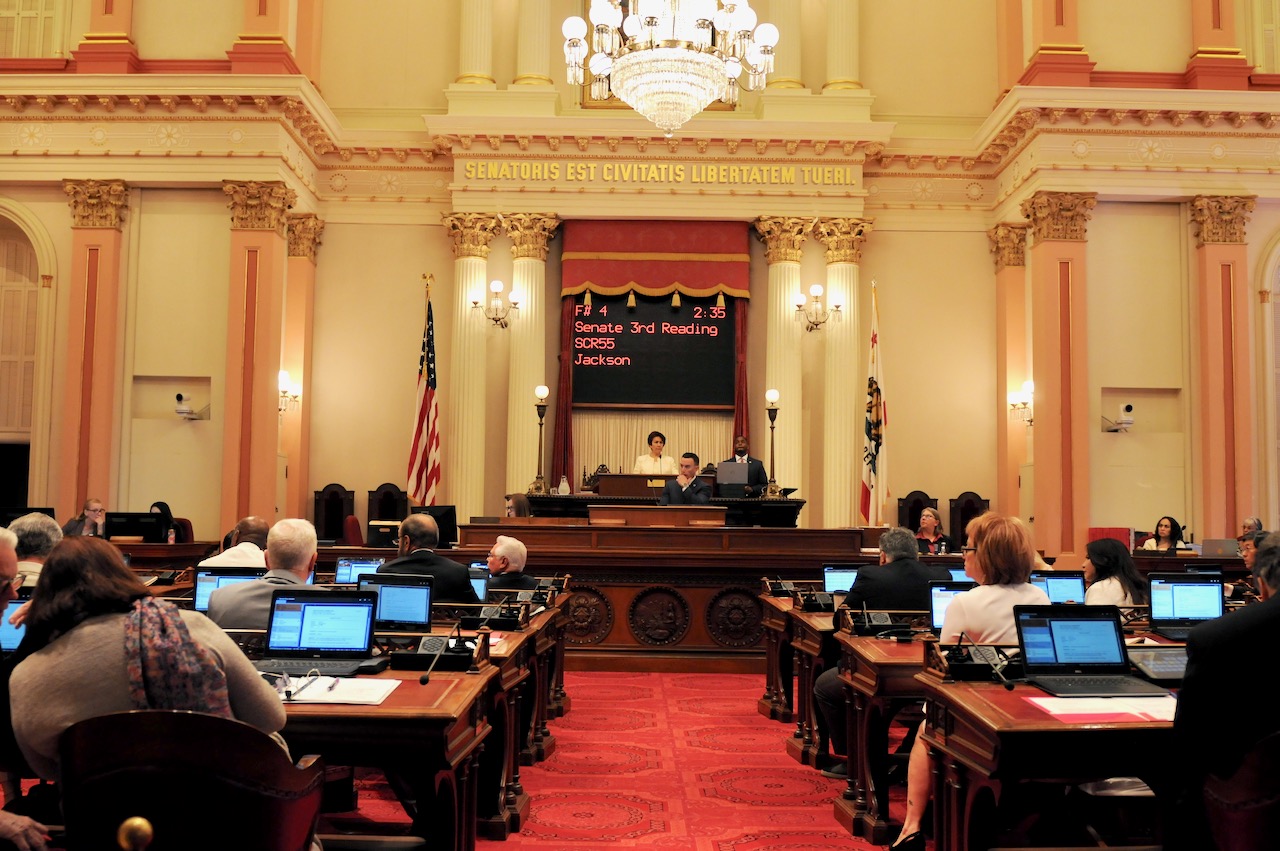
For much of the past twenty years, one party has held overwhelming control in Sacramento. The Democratic supermajority has shaped the current policy framework and therefore owns its outcomes: rising living costs, chronic housing shortages, business outmigration, and budget volatility tied to a narrow band of high earners.
This is not a claim that Republicans would govern without fault. Concentrated power tempts any party. A Republican supermajority would display its own excesses. The structural problem is dominance itself. When competition fades, correction slows. Insulation breeds certainty and corruption, and invites overreach.
California’s identity was forged not by bureaucratic choreography but by the confidence that individuals, given room to act, would generate prosperity sufficient to support both private ambition and public goods. That confidence has been replaced by suspicion of the very mechanisms that built the state. The opportunity culture of the Golden State has morphed into a system of constraint.
Extending the metaphor, the old fable of the golden goose endures because it captures a timeless truth. A productive economy yields steady returns when allowed to function. Overburden it, squeeze it, or treat it as an adversary, and output declines. Destroy it, and the stream of benefits ends.
California earned its golden reputation because millions mined, farmed, engineered, manufactured, financed, coded, and invented. They converted natural advantage into sustained growth. If leadership continues to treat capital, energy, and initiative as liabilities rather than assets, the shine will continue to fade.
Rotation in power would not solve every problem. It would, however, restore accountability. And accountability—more than rhetoric—is what keeps a golden state from becoming fool’s gold.


- From the Cheap Seats: Judgment in Encinitas - September 24, 2026
- The Inheritance: California’s Spending Problem - July 20, 2026
- Political Malpractice: Reparations Were Designed to Keep Black Voters Loyal to a Party - June 20, 2026
RELATED ARTICLES
-
 July 1, 2022
 -
 July 23, 2018
 -
 March 22, 2023
Great article, and difficult to add value to, but one thought has been plaguing me for the last month or so…
The current crop of Democrat “leaders” appear to believe that by sheer political will, they will be able to mandate their way to some sort of self-identified “nirvana” that is completely UNCOUPLED from any kind of economic REALITY, let alone AFFORDABILITY for the rank-and-file California citizen.
It becomes easy to fill in this apparent belief with any kind of rational economic thought processes, so it becomes easier to believe that they are all in cahoots with some nefarious economic/political source that is paying them to commit general economic suicide, while personally enriching themselves….
I personally believe that it’s some combination of the Soros network of “destroy traditional America” in conjunction with the CCP that needs our natural resources to feed their populace, and also affords them a foothold into a possible full-blown economic takeover (if not an outright military invasion) at some point in the future….
I can’t think of another explanation….
The fraud that is being revealed more frequently these days gives me a sliver of hope that people will be awakened to the MISmanagement of ALL of our resources by these corrupt politicians, and demand changes for the better, to restore the “Golden State” to it’s former attractiveness, rather than the expensive, inefficient, horribly run political cesspool that it currently is….