
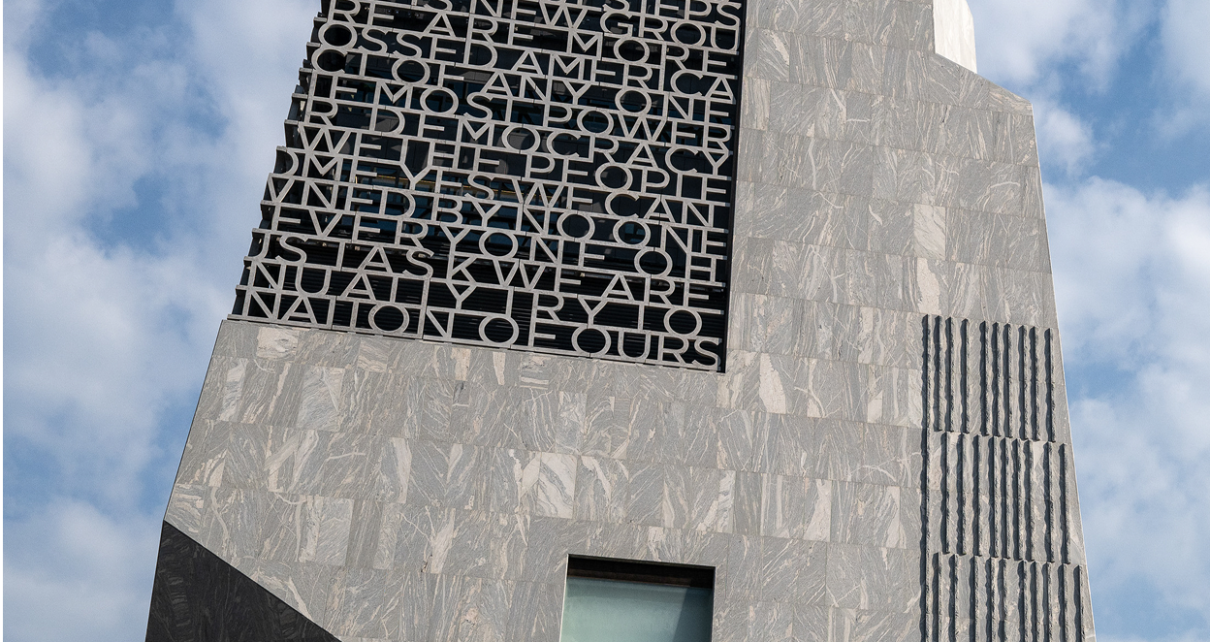
Obama’s Library: A Modern Flak Tower
The arrogance of the tower resembles an ironic failure of Obama
By Rob Brewster, June 5, 2026 10:00 am
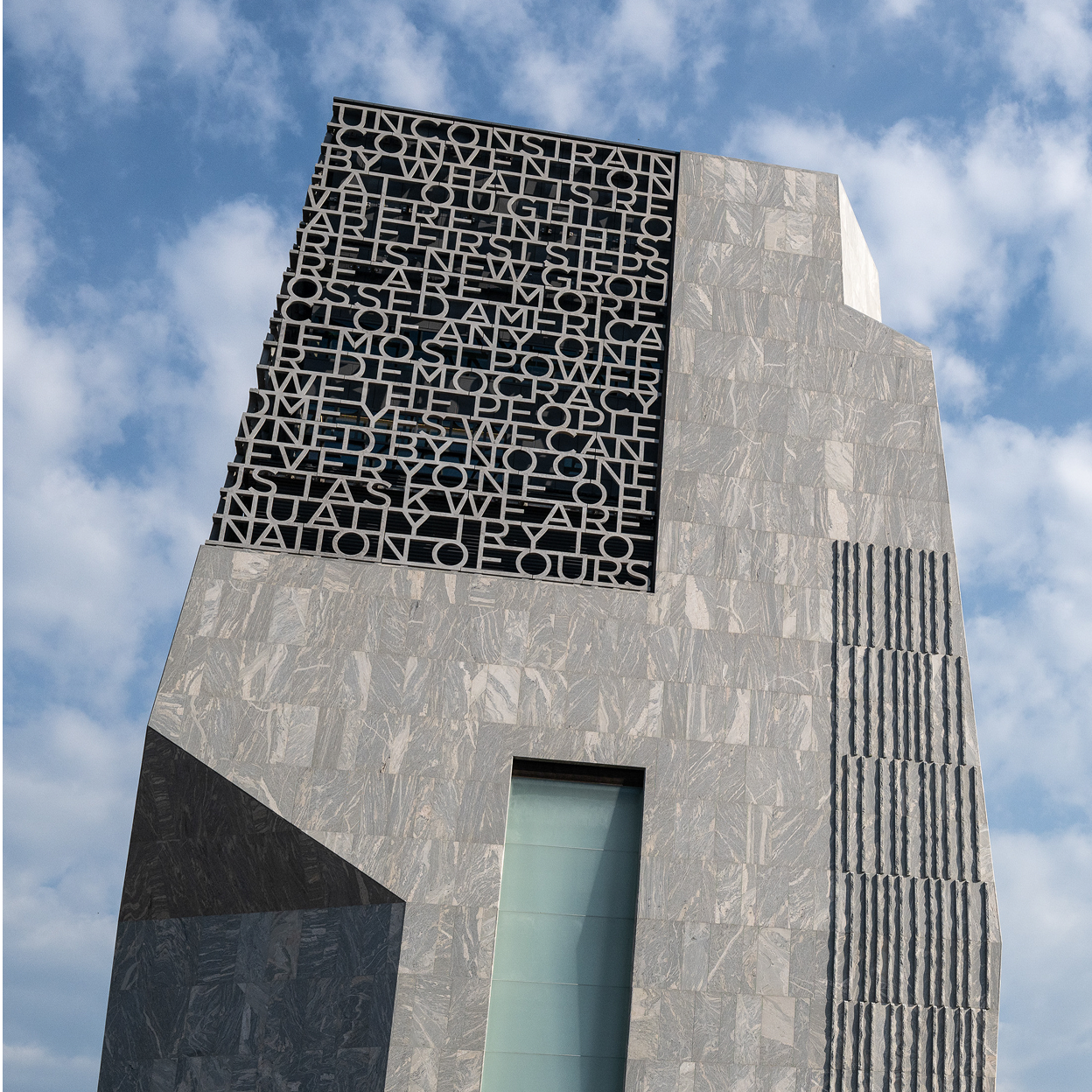
When I first saw photographs of the Obama Presidential Center, I immediately thought of Vienna, Austria.
That may sound like an odd comparison until you understand that I spent a significant part of my education there and lived in the shadow one of the city’s hulking Flak Towers.
The Flak Towers are enormous anti-aircraft fortresses built during World War II. Designed to survive bombing campaigns and project power, they were constructed with such massive amounts of reinforced concrete that many remain standing today simply because they are far too expensive to demolish. Today one houses an aquarium. Others sit largely vacant, reminders of a terrible time in world history.

That was the image that came to mind when I saw the nearly $1 billion Obama Presidential Center rising above Chicago’s South Side.
It’s not just the image of the library that’s striking, it’s the optics.
America is facing a continuing housing crisis. Millions of young Americans cannot afford homes. Rent consumes an ever-larger share of household income. Homelessness remains a persistent problem in many cities. Entire generations have delayed family formation, homeownership, and financial stability because housing costs have long outpaced wages.
Against that backdrop, hundreds of millions of dollars were spent constructing another presidential monument. That reality becomes even more striking when one considers the defining economic crisis of Barack Obama’s presidency.
Though Obama did not create the housing collapse, during the Obama years, millions of Americans lost their homes to foreclosure.
While presidents are not judged solely by the problems they inherit. They are judged by the choices they make once they have power.
The Obama administration inherited extraordinary authority during the financial crisis. Congress authorized unprecedented intervention. Fannie Mae and Freddie Mac were under federal control. Washington possessed enormous leverage over financial institutions.
The banks were stabilized. Financial markets recovered. Asset prices rebounded. Wall Street survived.
Millions of homeowners did not.
The efforts to help families avoid foreclosure were slow, bureaucratic, and inadequate to the scale of the crisis. Millions lost their homes while financial institutions regained their footing. Many Americans came away, rightly so, believing that Washington moved to rescue the well connected, lobbyist driven lenders, corporations, and the wealthy, to the detriment of homeowners and wage earners.
Entire neighborhoods were hollowed out. Household wealth evaporated. Families lost homes they had spent decades building toward. Millions lost their jobs. Under President Obama.
Today, one of the most expensive presidential centers ever constructed rises from a city park honoring the man who presided over that era.
Beyond policy, perhaps the more striking question is: Why are we still building monuments to politicians?
Across America, communities are removing statues, renaming schools, and debating which historical figures deserve public recognition. In Spokane, Washington, taxpayers recently spent $80,000 removing a monument to a long-deceased civic founder whose legacy no longer aligned with modern political sensibilities. Across the country, countless monuments have been dismantled, relocated, or reinterpreted. Many of them removed for good reason.
Yet while we are questioning the wisdom of honoring leaders from the distant past, we continue constructing monumental tributes to contemporary politicians.
Like the Flak towers of Vienna, the Obama library dominates its surroundings. It rises above the landscape rather than blend into it. It appears designed to project permanence and significance. The arrogance of the tower resembles an ironic failure of Obama.
Whatever else one might say about them, neither could reasonably be described as beautiful.
Supporters see a museum. Critics see a monument. I see a missed opportunity. Architecturally and politically.
The greatest legacy Barack Obama could have left might not have been a tower rising above a park in South Chicago. It might have been a permanent institution dedicated to expanding homeownership, preventing foreclosures, rehabilitating neighborhoods, and ensuring that future generations never experience another housing collapse of the scale we witnessed in 2008.
Perhaps future generations will admire the Obama Presidential Center. Perhaps they will view it as an architectural masterpiece and an important civic institution.
Or perhaps they will look at it much as visitors look at Vienna’s Flak Towers today: as a reminder of a terrible time in history and a monument to the ambitions of powerful people who believed their legacy deserved to be cast in concrete.
Either way, the Obama Library will remain long after the political arguments have faded.
And that is precisely why the comparison to Vienna is so difficult to ignore.


- Obama’s Library: A Modern Flak Tower - June 5, 2026
- Come One, Cabal: How America Turned Affordable Housing into a Self-Protecting Industry - January 12, 2026
RELATED ARTICLES
-
 September 25, 2018
 -
 October 15, 2025
 -
Soviet architeture was so ugly, and so is this.
You know why young Americans can’t afford homes? There jobs are getting replaced by immigrants. Companies are firing their Americans, and replacing them with cheaper H1-B Visa immigrants on an almost one to one basis. Illegal immigrants are stealing jobs from working class Americans. Illegal immigrants need to be kicked out of the country, and H1-B Visas terminated. Any new jobs that come up, are filled by DEI hires. Young men can’t get jobs in this country, period. This needs to stop.
That’s simply not correct. It’s sad to see so many being mislead by bad information. It’s infecting our culture and politics- it’s not helping to get our country back on its feet.
It looks like an industrial incinerator. .
The flack tower looks more warm and inviting than the monument Obama built to honor himself.
Middle finger reaching into the sky, says it all about Obama. Thank you for your legacy.
All it needs is the eye of Sauron on top.