
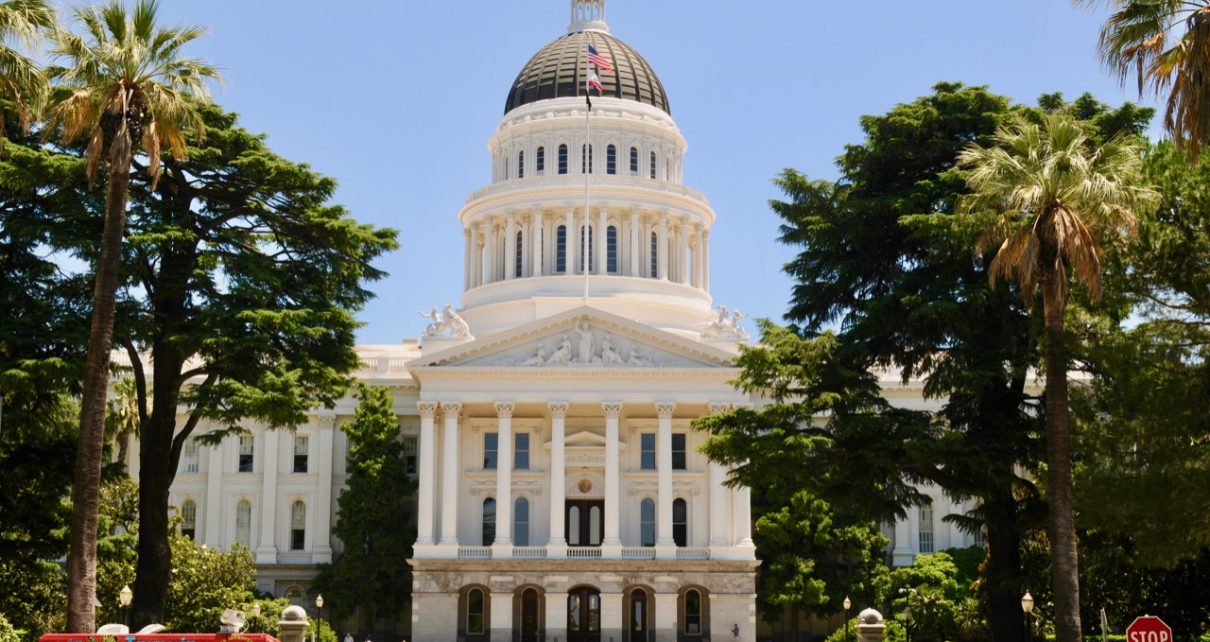
California State Capitol. (Photo: Kevin Sanders for California Globe)
Poking Holes in Your Own Draft: How to Read Your Bill Like a Judge
I think to successfully read your draft bill like a judge, you must shift your mindset from an advocate trying to persuade to a skeptic trying to break it
By Chris Micheli, September 26, 2026 2:30 am
When drafting a bill or even extensive amendments to a bill, I believe it is important to review your preliminary work from the perspective of the judicial branch of state government, which will have the final say regarding what your statutory language actually means.
Just like the bill drafting attorneys at California’s Office of Legislative Counsel, outside attorneys, legislative committee counsel and consultants, staff, lobbyists, and others who work extensively with bills and amendments should examine their language using a “judge’s lens” test. This is when the legislative drafter puts aside their work for 24 hours and approaches their draft language as a skeptical judge looking for ambiguities would, rather than as a policy advocate, for example.
This could also take the form of having a colleague poke holes in your draft legislation. While no one is able to draft a perfect statute to cover every conceivable scenario, we still want to ensure that the proposed language is clear, concise, and consistent, and as free from ambiguity as possible.
I think to successfully read your draft bill like a judge, you must shift your mindset from an advocate trying to persuade to a skeptic trying to break it. Judges do not read legislation to understand what you meant to say; they read it to determine what the text actually says under established rules of statutory construction.
What are some of the areas of a bill or amendment draft that should be of possible concern to those drafting these documents?
- There always seems to be a proliferation of undefined terms. It is a better practice to prevent possible chaos that can be created when common or modern jargon is left undefined in a bill’s text.
- The potential for cross-reference pitfalls, which can sometimes be avoided by providing a checklist for ensuring that external section references and state agency names are accurate and up-to-date.
I also think it would be quite valuable for those drafting bills and amendments to keep in mind the textual canons and grammar rules, perhaps through a practical refresher on how courts use punctuation and syntax (e.g., active voice vs. passive voice) to interpret legislative language and seek to fulfill the intent of the Legislature.


- Poking Holes in Your Own Draft: How to Read Your Bill Like a Judge - September 26, 2026
- Which California Legislative Process Rules Can Be Waived or Suspended? - September 25, 2026
- Why Defining Words by Cross-Reference Should Cease - September 25, 2026
RELATED ARTICLES
-
 October 20, 2022
 -
 October 19, 2022
 -
 September 23, 2026