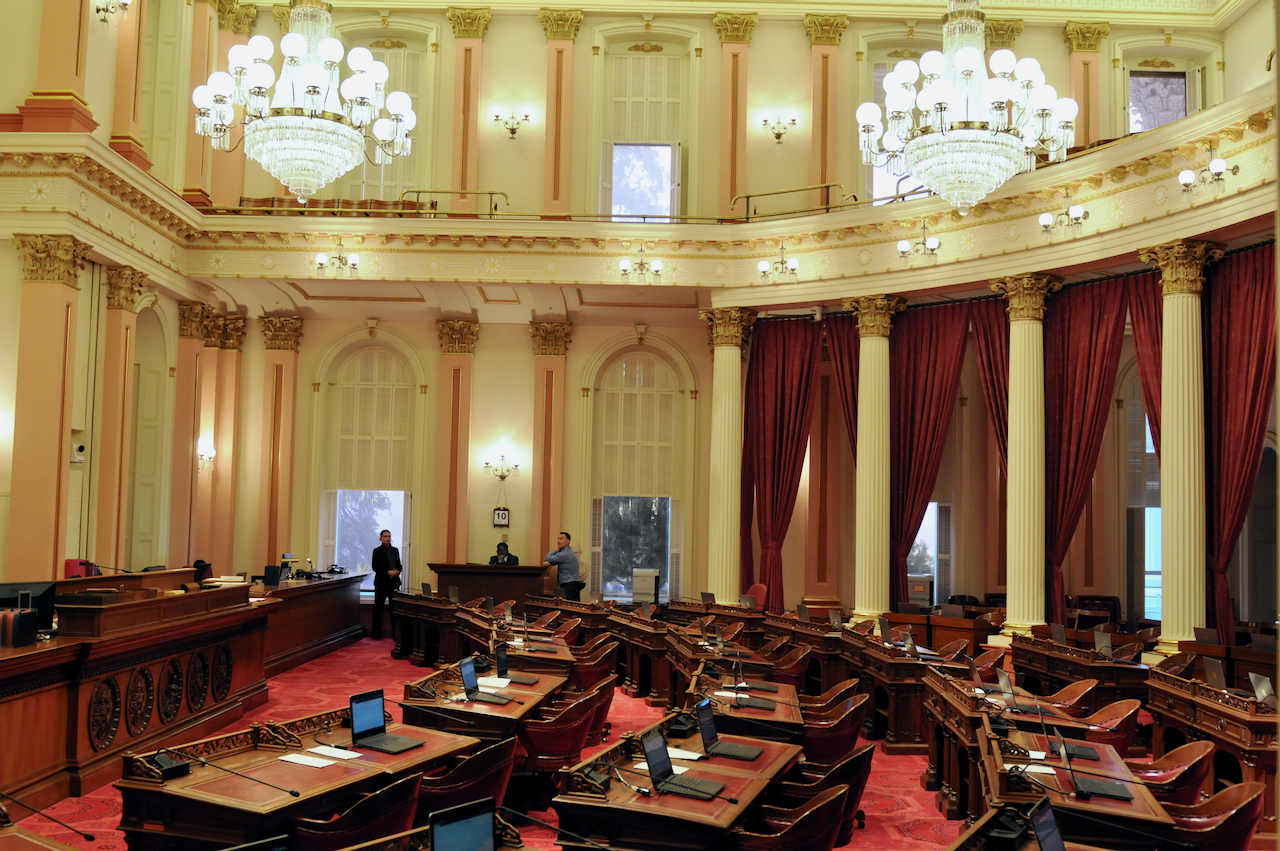
California State Capitol. (Photo: Katy Grimes for California Globe)
What Are Some Unique Aspects of the California Rulemaking Process?
The process stands out due to strict independent review standards, public transparency rules, and unique economic impact thresholds
By Chris Micheli, October 15, 2026 10:22 am
The California Rulemaking Process is governed by the state’s Administrative Procedure Act (APA) contained in the California Government Code, and the process stands out due to strict independent review standards, public transparency rules, and unique economic impact thresholds.
OAL’s Role – Unlike many states or the federal system, California subjects every proposed regulation (unless specifically exempt by statute) to an intensive 30-working-day review by the Office of Administrative Law (OAL). The OAL evaluates rules against six statutory standards: Authority, Reference, Consistency, Clarity, Nonduplication, and Necessity (e.g., requiring substantial evidence that the rule is actually needed).
SRIA – For “major regulations” with an estimated economic impact exceeding $50 million, agencies cannot just do a basic fiscal note—they must prepare a comprehensive Standardized Regulatory Impact Analysis (SRIA) and submit it to the Department of Finance before moving forward.
Timing Rules – Agencies must provide a minimum 45-day written public comment period (and hold a public hearing if timely requested at least 15 days prior). If the agency alters the text in response to public feedback, it must release a “Notice of 15-Day Changes” to let the public review and comment on the modified text.
Effective Dates – Unlike federal rules that take effect on arbitrary dates, regular California regulations take effect on one of four fixed quarterly dates tied to when they are filed with the Secretary of State: January 1, April 1, July 1, or October 1 (unless an exception or emergency rule applies as determined by OAL).
“Z Register” (California Regulatory Notice Register) – All initial proposals, public notices, decisions to discontinue a rule, and final adoptions must be transparently published in the official weekly Notice Register.
Legislative Oversight – Individual lawmakers or legislative committees can formally request the Senate or Assembly Offices of Research or either house’s standing policy committees to study proposed or existing agency regulations, and the Legislature can use budget constraints or statutory caps to aggressively rein in executive branch agencies.
Volume of Regulations – California ranks 1st in the nation for regulatory volume, housing over 60,000 individual regulations and more than 23 million words spread across 28 subject- titles in the California Code of Regulations (CCR).
Emergency Rulemaking – Emergency regulations can be enacted quickly to prevent immediate harm to public peace, health, or safety, but they expire after 180 days with a strict maximum of two 90-day readoptions before permanent rulemaking.


- Disclosure of Medical Information - October 15, 2026
- What Are Some Unique Aspects of the California Rulemaking Process? - October 15, 2026
- Defining Agency - October 15, 2026
RELATED ARTICLES
-
 January 25, 2019
 -
 November 8, 2022
 -