

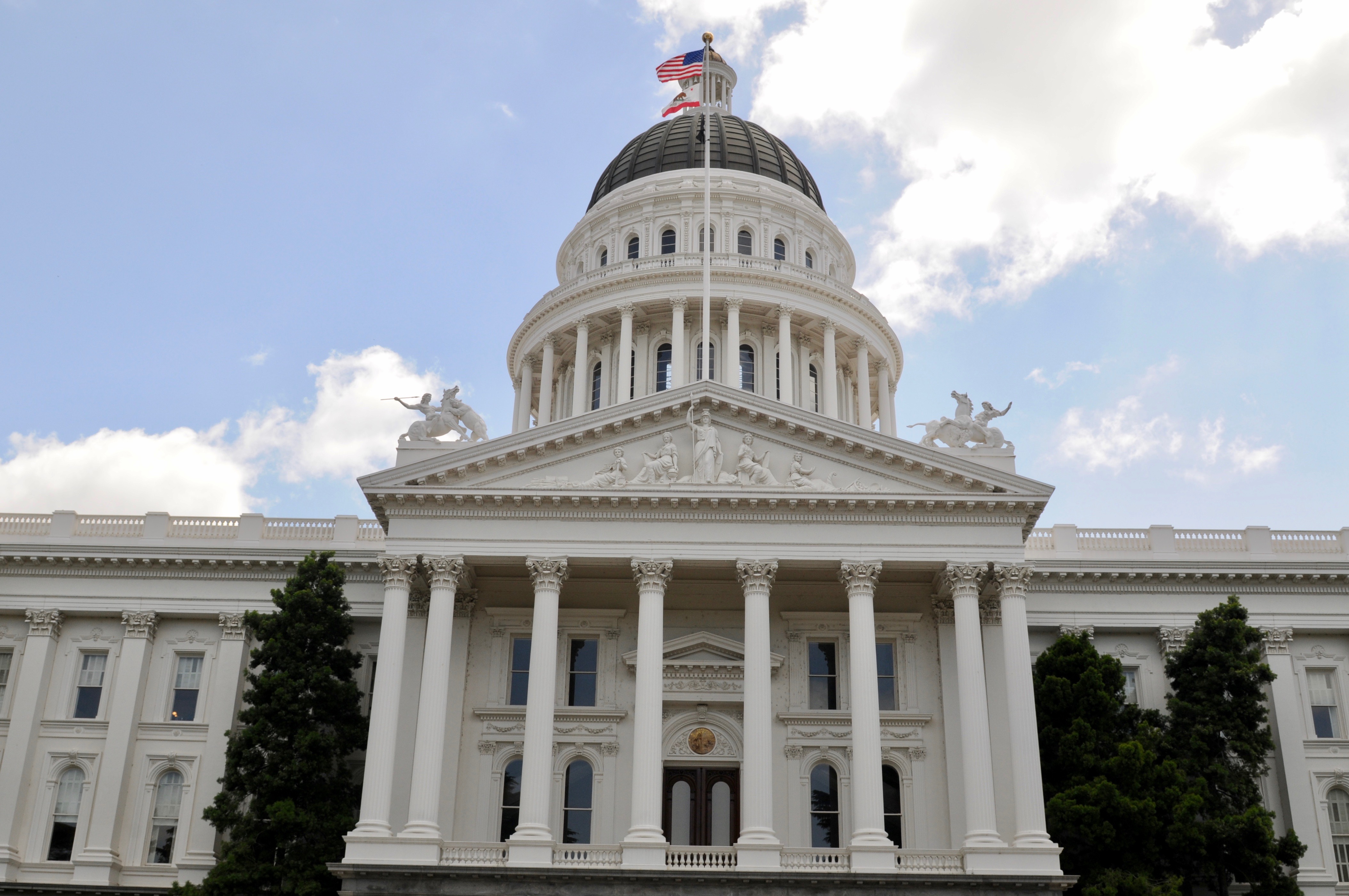
California State Capitol. (Photo: Katy Grimes for California Globe)
Guidance on California Legislative Drafting
Legislative drafting is more broadly than just writing bills
By Chris Micheli, October 31, 2026 2:30 am
My general guidance on California legislative drafting is a meticulous blend of strict legal frameworks, statutory interpretation, and practical language rules aimed at achieving uniformity, clarity, simplicity, and understandability. Because California is one of the few states that does not publicly publish its official legislative drafting manual, this guidance is based upon observations of drafted bills and amendments. There are several core concepts:
Broad Definition of Legislative Drafting
Legislative drafting is more broadly than just writing “bills”. I categorize it into two primary arms: Primary Legislation, which is drafting bills, resolutions, and constitutional amendments voted on by the legislative branch; Secondary Legislation, which is drafting regulatory rules, executive orders, and administrative guidelines managed by executive branch agencies.
Dual Pillars: Formal and Informal Rules
Drafting in California is governed by two sets of requirements:
Formal Rules: These are legally mandated structures dictated by the California Constitution, the California Government Code, and the Joint Rules of the Senate and Assembly. For example, the state Constitution dictates that all statutory enactments must happen via a bill. The Joint Rules provide that everything must ultimately be put into “Legislative Counsel form” before formal introduction.
Informal Rules: These encompass the principles of statutory construction (how judges interpret laws) and general drafting guidance. Drafters must intentionally anticipate how courts will later interpret the text to ensure the true legislative intent is honored.
Practical Best Practices for Bill Mechanics
Professional drafting requires sharp attention to the structural and grammatical details of a bill. Key elements include:
Clear “Plus Sections”: These are the technical components at the end of a bill dealing with appropriations, urgency clauses, or local mandates.
Rigorous Definitions: Creating precise, uniform definitions within the code to avoid ambiguity.
Plain English and Active Voice: Prioritizing proper grammar, concise syntax, gender-neutral drafting, and the active voice to make statutes accessible.
Core Best Practices and Mechanics
I advocate for a highly technical, logical, and disciplined approach to structuring state laws, including specific drafting principles:
Drafting Mechanics: Focusing heavily on structural precision, including the accurate construction of definitions, proper use of legislative findings/declarations, and the mechanics of “plus sections” (concluding provisions of a bill).
Clarity and Voice: Emphasizing plain-English drafting, strict adherence to proper grammar, utilizing the active voice, and employing gender-neutral language.


- Guidance on California Legislative Drafting - October 31, 2026
- Family Allowances - October 30, 2026
- Another California Labor Law Struck Down by Federal Court - October 29, 2026
RELATED ARTICLES
-
 February 27, 2023
-
 October 14, 2026
-
 June 28, 2024