
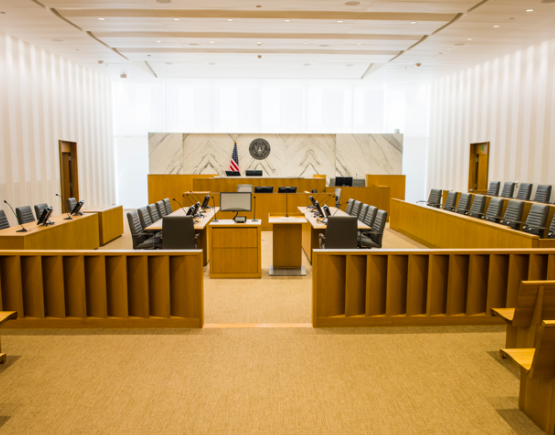
Central District of California in Los Angeles courtroom. (Photo: uscourts.gov)
Scope of Civil Discovery
The scope of discovery is under the Civil Discovery Act
By Chris Micheli, January 3, 2026 4:37 pm
Part 4, Title 4, Chapter 2 deals with the scope of discovery under the Civil Discovery Act. Article 1 provides general provisions.
Section 2017.010 allows any party to obtain discovery regarding any matter, not privileged, that is relevant to the subject matter involved in the pending action or to the determination of any motion made in that action, if the matter either is itself admissible in evidence or appears reasonably calculated to lead to the discovery of admissible evidence.
Section 2017.020 requires the court to limit the scope of discovery if it determines that the burden, expense, or intrusiveness of that discovery clearly outweighs the likelihood that the information sought will lead to the discovery of admissible evidence. The court may make this determination pursuant to a motion for protective order by a party or other affected person. This motion is accompanied by a meet and confer declaration.
Article 2 deals with the scope of discovery in specific contexts.
Section 2017.210 allows a party to obtain discovery of the existence and contents of any agreement under which any insurance carrier may be liable to satisfy in whole or in part a judgment that may be entered in the action or to indemnify or reimburse for payments made to satisfy the judgment. This discovery may include the identity of the carrier and the nature and limits of the coverage. A party may also obtain discovery as to whether that insurance carrier is disputing the agreement’s coverage of the claim involved in the action, but not as to the nature and substance of that dispute. Information concerning the insurance agreement is not by reason of disclosure admissible in evidence at trial.
Section 2017.220 specifies that, in any civil action alleging conduct that constitutes sexual harassment, sexual assault, or sexual battery, any party seeking discovery concerning the plaintiff’s sexual conduct with individuals other than the alleged perpetrator is required to establish specific facts showing that there is good cause for that discovery, and that the matter sought to be discovered is relevant to the subject matter of the action and reasonably calculated to lead to the discovery of admissible evidence.


- Nature of a Partnership - March 9, 2026
- Liability for Unincorporated Associations - March 9, 2026
- Organization of the Fish and Game Commission - March 8, 2026
RELATED ARTICLES
-
 September 17, 2025
 -
 November 26, 2025
 -
 September 12, 2025