

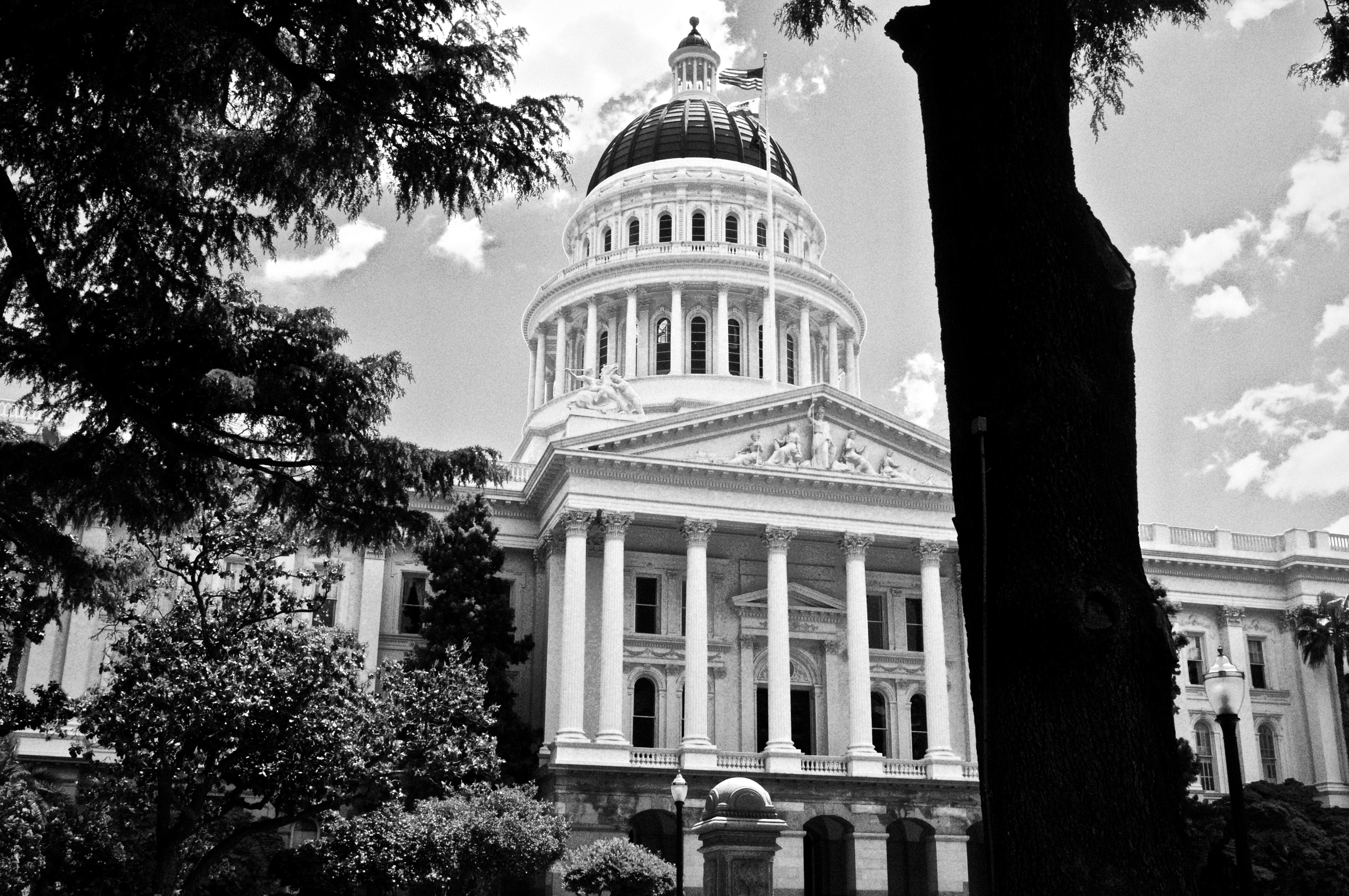
California State Capitol. (Photo: Katy Grimes for California Globe)
Specialized Areas of Lobbying
This is also why some lobbyists have their client’s inside or outside experts participate in the rulemaking projects
By Chris Micheli, February 1, 2026 2:39 pm
There are specialized areas of lobbying, particularly as it relates to certain executive branch agencies, departments, boards, and commissions. Because the vast majority of lobbyists operate in the legislative branch of government, some lobbyists view regulatory advocacy as specialized, particularly because it often requires specific knowledge about how that executive branch entity operates and the unique subject matter of its regulatory work.
In fact, there are some regulatory agencies where you may find primarily attorneys working on those regulatory projects. This is especially true when it comes to an agency or department acting in its quasi-judicial function. However, it can also apply then an executive branch entity engages in quasi-legislative activities.
What are some of these specialized areas of lobbying? The main ones that come to my mind are the PUC, CEC, CARB, BOE, and CTC. Are there others? Of course, DTSC, DOI, CDTFA, and DLSE also come to mind.
But the big five and their extensive regulatoy work are the ones that employ the most lobbyists and other professionals. And those five entities also have specialized boards or commissions as well as a large number of professional staff members. Knowing many of the key staff and board or commission members is crucial for lobbyists to succeed in those venues.
But lobbyists there must also know the specialized rules of those boards or commissions, such as ex parte communications, and the specialized topics with which they deal. As such, many legislative lobbyists rely upon colleagues or even lawyers who work primarily with those agencies, boards, commissions, and departments in order to properly assist their clients.
The importance of having specialized knowledge of both the subject matter and the procedures of these particular executive branch entities is key to success. With either missing, it is more likely that the participant will not be successful in their efforts. As a result, be sure to know for certain that those involved in the regulatory lobbying activities understand both the policy and the process.
This is also why some lobbyists have their client’s inside or outside experts participate in the rulemaking projects. In other words, the lobbyist may set up the meetings and accompany the experts, but they rely upon the experts to advocate for their client’s position at the executive branch entity.


- Probate Code Could Be a Basis for Statutory Interpretation Principles - February 22, 2026
- Conservation Banks - February 22, 2026
- Mergers of Unincorporated Associations - February 21, 2026
RELATED ARTICLES
-
 August 2, 2019
 -
 March 9, 2025
 -
 November 11, 2019