
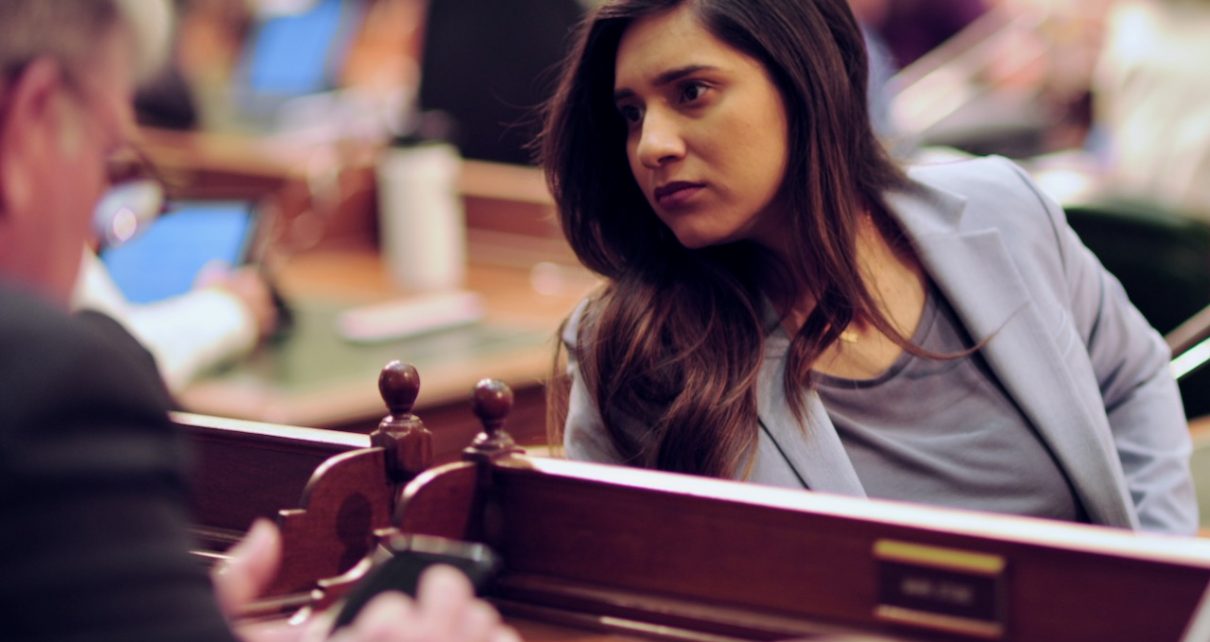
Senator Sabrina Cervantes. (Photo: Kevin Sanders for California Globe)
Nobody In Sacramento Voted Against This Bill – It Could Still Die Anyway
866 Professional Fiduciaries stand between California’s aging population and a courtroom full of unmanaged estates
By Jay Rogers, August 12, 2026 8:40 am
A bill just cleared the California Assembly 76-0. Zero no votes. Not one member of either party stood up to object. In a Legislature that can turn a resolution honoring National Donut Day into a floor fight, that alone is worth a paragraph.
The bill is AB 1939, authored by Assemblyman Heath Flora (R-Ripon), and it does something almost administrative in nature: it lets California’s licensed professional fiduciaries organize as professional corporations. It then passed Senate Judiciary 11-0. It passed Senate Appropriations 13-0. And then, on August 3, it landed on the suspense file, the drawer where the Legislature parks bills with a price tag attached and quietly decides, out of public view, whether they live or die. This is the third time the same idea has taken this exact path. The first two times, it died there.
I have spent more than 30 years managing money for private clients and, for the past decade, serving as a designated expert witness in fiduciary duty litigation in California courts. I have seen what happens on the far side of a bad conservatorship, and I have seen what happens when the person responsible for an elderly client’s care and finances has no backup plan. AB 1939 is a fix for exactly that second problem, and it deserves better than a silent death in a Sacramento drawer.
Who These People Are, And Why It Matters
Professional fiduciaries are not a household term, but their clients are some of the most vulnerable people in the state. Under the Professional Fiduciaries Act, established in 2006, anyone acting as a court-appointed conservator, guardian, or trustee for two or more unrelated people must be individually licensed and background-checked through the Professional Fiduciaries Bureau. As of last year, there were 866 of them actively licensed statewide. That is the entire workforce standing between California’s aging population and a courtroom full of unmanaged estates.
Here is the gap nobody outside probate court thinks about. These licensees operate as sole proprietors, because current law gives them no other option. A fiduciary managing a dozen conservatorships is, on paper, a business of one. If that person has a stroke, gets in a car accident, or simply dies mid-case, the seniors and disabled adults depending on them do not have a firm to fall back on. They have a filing cabinet and a very confused court calendar.
What The Bill Actually Does
AB 1939 would let licensees organize under the Moscone-Knox Professional Corporation Act, the same statute that already governs law firms and CPA practices. Every director, officer, and shareholder still has to be individually licensed. The corporation still has to register with the Secretary of State and hold a certificate from the Bureau. The bill adds new disclosure and reporting requirements on top of that, and it closes a separate loophole by barring courts from appointing anyone, corporate or individual, who is not properly licensed or registered. If signed, it takes effect January 1, 2029, on a timeline the author built in specifically to blunt the fiscal objections that sank the last two attempts.
None of this is exotic. It is succession planning; the same unglamorous discipline I have spent a career telling clients not to skip.
What It Does Not Do
It is worth being straight about the limits here, because I have watched trade groups oversell bills like this before. A professional corporation does not shield a fiduciary from liability for their own misconduct. It works the way it does for lawyers and accountants: the entity protects against a partner’s malpractice and ordinary business debt, not against a fiduciary’s own breach of duty toward the client. Senate committee analysis of the prior version flagged this honestly rather than papering over it. That is the correct outcome. The point of AB 1939 is continuity of care for a conservatee when their fiduciary can no longer serve, not a liability shield for bad actors. A bill that promised the latter would deserve the skepticism. This one does not.
Where It Dies If Nobody Calls
The suspense file is not a rejection. It is worse in a way, because it is a place where a bill can die without anyone having to cast a no vote or explain themselves to a reporter. AB 2148 went there in 2024 and died. AB 586 went there in 2025 and died. AB 1939 is there right now, and the committee typically clears the file in a single batch vote in the back half of August, just ahead of the session’s close.
The chair of Senate Appropriations is Senator Sabrina Cervantes of Riverside, and her committee decides which bills come off suspense, and which quietly do not. If you have ever managed a parent’s finances after a stroke, or watched a family trust sit in limbo because the trustee got sick, this is the moment to call her office, and to call your own state senator, and tell them AB 1939 has already earned a floor vote three separate times without a single no. When it reaches his desk, Governor Newsom should sign it. Until then, the job belongs to the people whose parents and grandparents this bill was written to protect.
A bill nobody voted against should not need a rescue campaign to survive August. In Sacramento, apparently, it does.


- Fewer Kids, More Payroll: LAUSD’s Math Problem - October 11, 2026
- Teachers Need Returns, Not Another Subcommittee - October 4, 2026
- CalPERS Can’t Show Its Work - October 1, 2026
RELATED ARTICLES
-
 November 25, 2019
 -
 July 28, 2019
 -
 October 10, 2018