

Another ‘Housing First’ Bill Passed by Legislature: No Fixed Timelines for Reductions, No Automatic Consequences if Goals are Missed
Since 2019, California has spent $37 billion on housing-and-homelessness-related programs
By Katy Grimes, August 31, 2026 5:08 pm

Friday, the California Legislature passed Assembly Bill 1924 by Assemblyman Jesse Gabriel (D-Encino), and Assemblywoman Sharon Quirk-Silva (D-Fullerton), legislation they say is “poised to address a critical part of California’s homelessness epidemic by preventing displacement before it occurs.”
It’s another bill banging on the “Housing First” drum. It specifically says right on the bill, “An act relating to housing.” It sounds like yet another funding vehicle to nonprofits and NGAs, to “house” the homeless – but before they are homeless?

However, far too much of homeless housing throughout the state sits empty, while dubious nonprofits linked to the housing projects are facing federal fraud charges. So why would lawmakers keep allocating money for failed and fraudulent housing plans?
The original bill language proposed establishing a new Secretary of Housing and Homelessness, but Governor Gavin Newsom already did that in last year’s budget, as successors to parts of the former Business, Consumer Services, and Housing Agency. Governor Newsom appointed and swore in Tomiquia Moss as the first Secretary around June 30, 2026.
The bill directs the state to build California’s first comprehensive homelessness prevention strategy, complete with measurable goals, accountability benchmarks, and model best practices that cities and counties can use as guidance, the authors claim.
What AB 1924 does is requires the California Interagency Council on Homelessness to develop and publicly issue a statewide homelessness prevention strategy by July 1, 2028, and incorporate it into the council’s Action Plan to Prevent and End Homelessness.
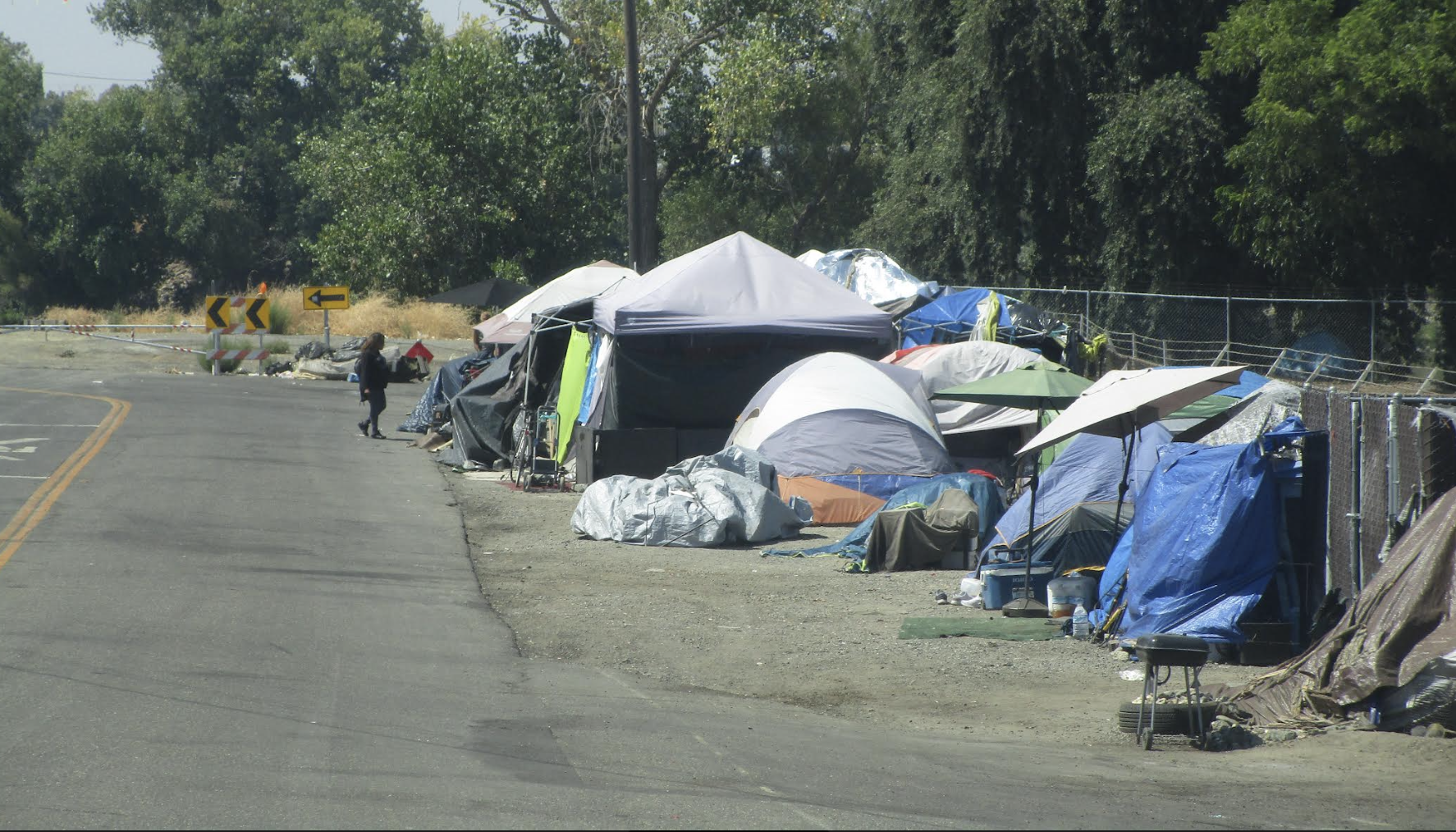
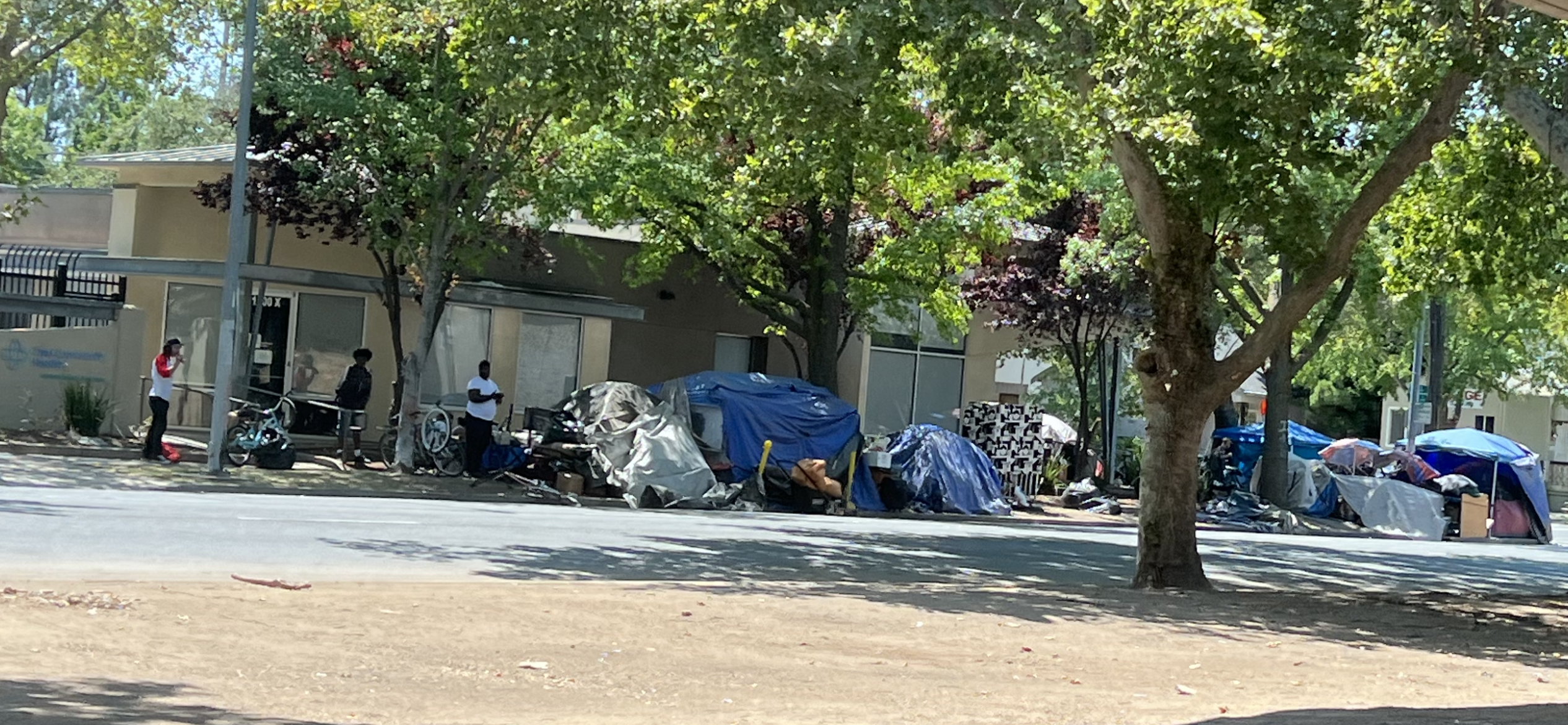
If anyone at the state could actually have developed a “statewide homelessness prevention strategy,” we wouldn’t need AB 1924, or any other ongoing homeless spending bill – given that the nonpartisan Legislative Analyst’s Office reported that since 2019, California government has spent $37 billion on housing-and-homelessness-related programs… and we still have more than 190,000 homeless living on the streets.
Also, according to the actual bill, AB 1924 does not set specific targets.
The authors state “Nearly 190,000 Californians are experiencing homelessness, and for every person who exits it, nearly three more fall into homelessness for the first time — a ratio that climbs to 4-to-1 in regions like Los Angeles County.”
Laughably, “AB 1924 directs the state to spend that money more efficiently, by keeping people from falling in the first place.”
So now lawmakers and their appointees are going to double down on homelessness spending by attempting to “prevent” it, after failing to decrease the homeless population in nearly eight years under Gov. Gavin Newsom.
The strategy under AB 1924 must include:
- A baseline estimate of first-time homelessness and progress assessments.
- Inventories of definitions, current actions, gaps, and state resources for prevention.
- Agency-specific homelessness prevention action plans (developed with council staff, limited to each agency’s existing authority and resources).
- Recommendations for coordination, high-impact activities, and legislative/executive actions.
- Statewide goals, metrics, and evidence-based model practices (targeting those at risk via factors like prior homelessness, income at or below 30% of area median income, rent burden; interventions such as emergency rental assistance, eviction defense, case management; data use; and coordination).
The bill explicitly limits new work: agencies do not have to collect new primary data, build predictive models, stand up new reporting systems, or expand programs. They must use reasonably available information.
There are no statutory numerical targets, no fixed timelines for reductions, and no automatic consequences if goals are missed. Everything is constrained to existing authority and resources, so the metrics may describe coordination more than new capacity, leaving a lot of wiggle room for no results, but lots of taxpayer funding spent.
“Achievable progress” language gives the council flexibility but also room to set soft goals.
Third-party evaluations of selected programs are only recommended, not required.
In short, AB 1924 creates a framework for prevention metrics rather than the metrics themselves.
The bill now awaits the Governor’s signature or veto.
AB 1924 passed the State Senate by a 40-0 vote, and the State Assembly by a vote of 77-1. Only Assemblyman Carl DeMaio voted against AB 1924. Were the others thinking that this bill may actually solve homelessness, or was voting on it just the path of least resistance?


A California native and Navy mom, Katy lives in Sacramento, CA.
- Another ‘Housing First’ Bill Passed by Legislature: No Fixed Timelines for Reductions, No Automatic Consequences if Goals are Missed - August 31, 2026
- California Faces $670 Billion GDP Loss w/in 10 Years if AB 1776 Becomes Law - August 31, 2026
- Trump Labor Department says Gavin Newsom OWES $22 BILLION to the American Taxpayer - August 31, 2026
RELATED ARTICLES
-
-

-
 July 11, 2026
It is truly insane that this Housing First, Project Homekey, and all the rest of these people’s unworkable B.S. came into existence at all and has gone on for so long. Gee, do you think the general corruption we’ve become used to in this state and the many slush funds & etc. we’ve unfortunately witnessed orchestrated by our current CA “leadership” who are dependent upon everything that is wrong has anything to do with continuing to bang this useless, wasteful drum?
Please consider contacting Gavin Newsom’s office to urge a veto. Here is the contact page. There’s a phone number there too; maybe ring the darn phone off the hook if you have a chance. Who knows, it’s worth a try:
https://www.gov.ca.gov/contact/
The Governor must veto AB 1924.