
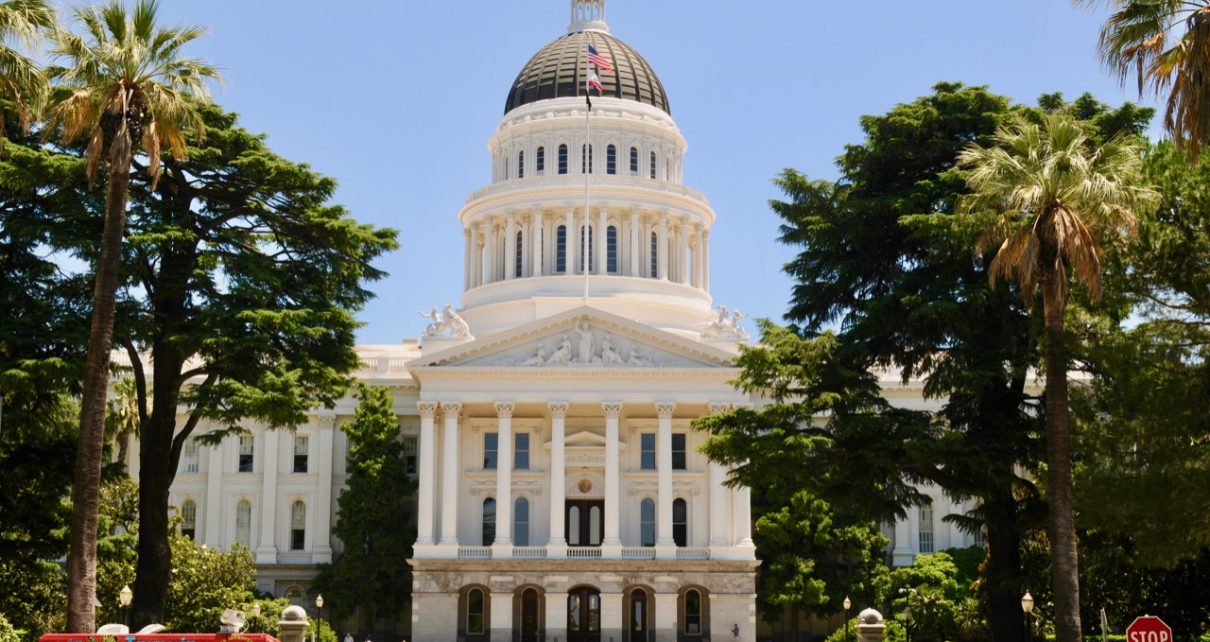
California State Capitol. (Photo: Kevin Sanders for California Globe)
Chart of Common ‘Plus Sections’ in Bills
They are not statutory provisions, but are important aspects of a statute
By Chris Micheli, June 30, 2026 2:30 am
The following chart sets forth the most common “plus sections” that are found at the end of most bills that are not statutory provisions, but are important aspects of a statute:
| “Plus Section” | Explanation |
| Double-jointing amendment | This section is used to address when one bill would “chapter out” the language of a bill that amends the same code section if it got enacted earlier. |
| Contingent enactment | This section is used to make the bill contingent upon the enactment of another bill or event. |
| Severability | This section is used to protect other provisions of a bill if another provision is found to be invalid or voided by a court. |
| Section 2230 waiver | This section is used when a bill exempts property from the sales/use tax and the Legislature does not want to reimburse local governments for the lost sales/use tax. |
| Section 41 finding | This section is used to comply with Revenue and Taxation Code Section 41, which is used to make legislative findings and declarations, and specify performance metrics to be used to evaluate the tax expenditure’s effectiveness. |
| Gift of public funds | This section is used to specify that a retroactive payment or other law change does not constitute a gift of public funds. |
| Reimbursable mandate | This section is used when it is necessary to disclaim any reimbursement to local agencies when a bill would create a new crime. |
| Furthering the purpose of an initiative measure | This section is used when a bill amends a statutory initiative adopted by the voters whose amendment is permitted by the adopted ballot measure. |
| Public right of access disclaimer | This section is used when a bill limits the public’s right of access to local or state government meetings or public writings. |
| Special statute | This section is used when a general statute will not suffice and a special statute is required instead. |
| Urgency cause | This section is used when an urgency clause statute is required. |
| Bill related to the budget | This section is used for any budget trailer bills, which are used to make statutory changes to implement the budget. |
| Tax levy | This section is used to identify a measure that constitutes a tax levy under the Constitution. |


Chris Micheli is an attorney and lobbyist with Snodgrass & Micheli, LLC, as well as an Adjunct Professor at McGeorge School of Law.
Latest posts by Chris Micheli (see all)
- Snapshot of Bill Signing Messages - October 12, 2026
- Lost Money and Goods - October 11, 2026
- Categories of Some Other Types of Bills in California – 2026 Edition - October 11, 2026
RELATED ARTICLES
-
 September 25, 2024
 -
 June 10, 2026
 -
September 21, 2024