

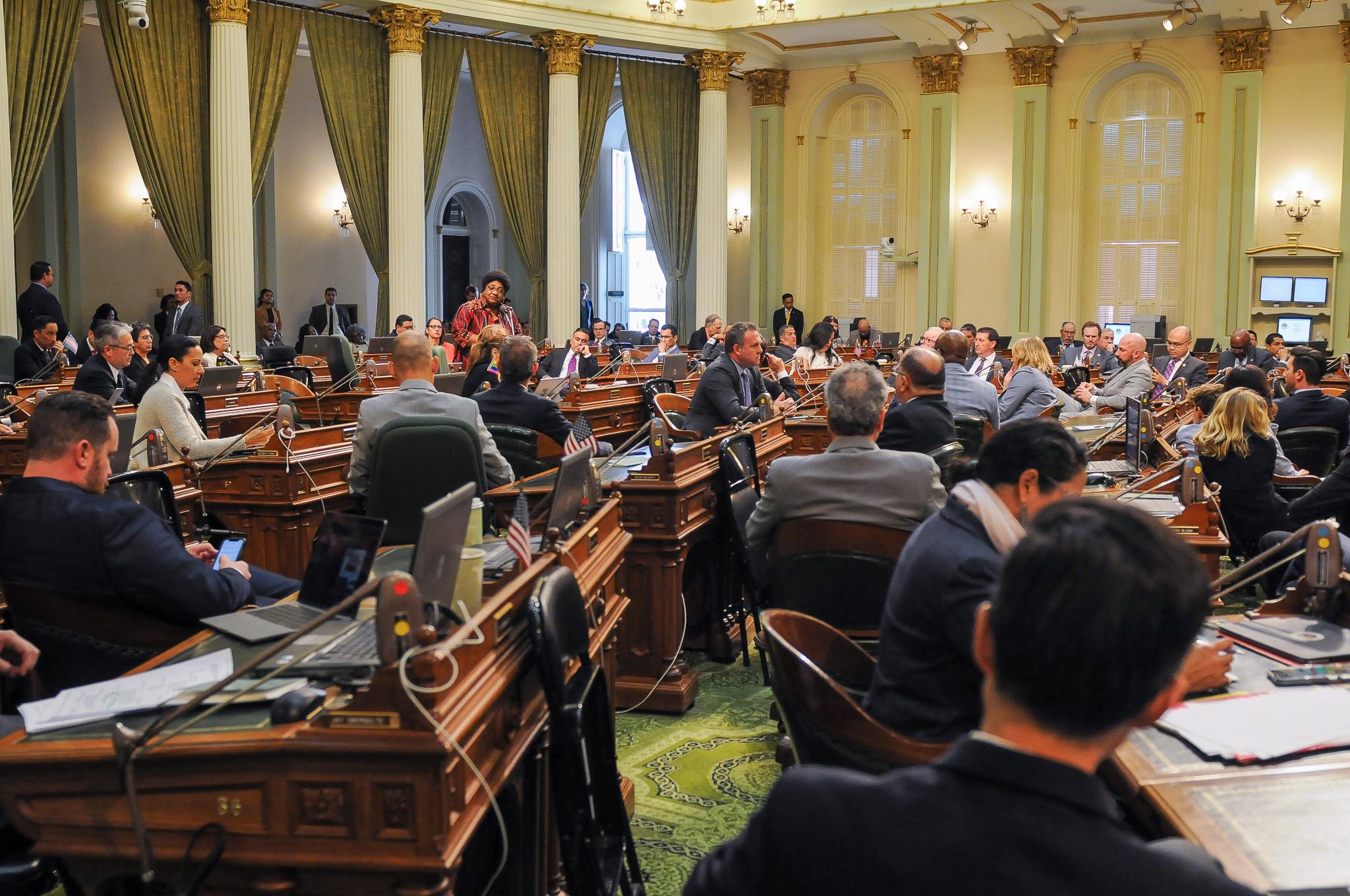
California State Capitol. (Photo: Katy Grimes for California Globe)
Drafting Operative Triggers and ‘Chaptering-Out’ Protections in California Bills
A statute’s effective date is when it legally becomes part of California law
By Chris Micheli, November 26, 2026 2:30 am
When drafting legislation in Sacramento, getting the policy right on paper is only half the battle. A bill can pass both houses of the Legislature and earn the Governor’s signature, yet still misfire if drafters overlook how operative dates interact with competing bills amending the same code section.
In California, bills enacted during a regular session generally take effect on January 1 of the following year, unless they carry an urgency clause, or otherwise take effect immediately (such as budget or tax levy bills), or specify a different operative date. However, effective date and operative date are not always the same thing and treating them as interchangeable is a common drafting trap.
Effective Date vs. Operative Date
A statute’s effective date is when it legally becomes part of California law (i.e., when the law is “on the books”). Its operative date is when its substantive provisions actually kick in or take legal effect (i.e., when the law “springs to life”).
Some examples of when legislative drafters use a delayed operative date:
- State agencies need lead time to adopt regulations, build IT systems, or publish guidance before compliance begins.
- Regulated entities need a transition window to update contracts, payroll systems, or operational disclosures.
- Funding or federal approvals are pending, making immediate operation impractical.
A well-drafted delayed operative clause states both the exact date and the specific sections or subdivisions affected, leaving no doubt about whether administrative setup can begin earlier while enforcement or compliance starts later.
Contingent and Triggered Operative Clauses
Sometimes a bill’s operation should depend on an event rather than a calendar date. Examples of these circumstances could include:
- Appropriation triggers: Making a program operative only when funds are appropriated in the annual Budget Act or another statute.
- Regulatory or federal triggers: Tying operation to a specific agency certification, federal waiver approval, or court ruling.
- Condition-subsequent or inoperability triggers: Ending a program or making a provision inoperative if a dedicated fund drops below a set threshold or a reporting milestone is missed.
When drafting a contingent trigger, clarity on who determines that the trigger has occurred and how that determination is documented or published prevents disputes over when the law actually applies.
Preventing Accidental “Chaptering-Out”
One of the most practical hazards in a busy California legislative session is two or more bills amending the exact same code section. Under California’s rules of statutory enactment (contained in the Government Code), when two bills amend the same section in the same session and the second bill is chaptered later, the later-chaptered bill can remove all (i.e., “chapter out”) changes made by the earlier bill, unless the bills include proper double-jointing provisions.
Drafters and sponsors working with the Office of Legislative Counsel should watch for these pinch points late in the session:
High-traffic code sections: Sections governing definitions, penalties, licensing boards, or tax credits are prime candidates for multiple amendments in a single year.
Late-session amendments: Bills amended near the end of session can introduce conflicts that were not visible earlier in the year.
Subordination vs. reconciliation: Drafters must decide whether two sets of changes can be merged cleanly or whether one bill’s amendments must yield to another’s.
The following are some practical tips for practitioners before a bill goes to print or reaches the Governor’s desk. Drafters and advocates should verify four details:
First, distinguish effective and operative timing whenever implementation takes more than a few weeks.
Second, name the decision-maker and triggering event clearly for any contingent or delayed operative provision.
Third, check for companion bills touching the same code section during the current legislative session.
Fourth, confirm uncodified “plus sections” accurately state any special operative rules so they do not conflict with the body of the bill.
Careful attention to timing and inter-bill collisions turns a well-intentioned proposal into a statute that works smoothly in practice.


- Drafting Operative Triggers and ‘Chaptering-Out’ Protections in California Bills - November 26, 2026
- When One California Code Defines a Term Differently Than Another - November 25, 2026
- Researching the Legislative History of an Enacted California Statute - November 25, 2026
RELATED ARTICLES
-
-
 November 22, 2026
-
 October 20, 2024