

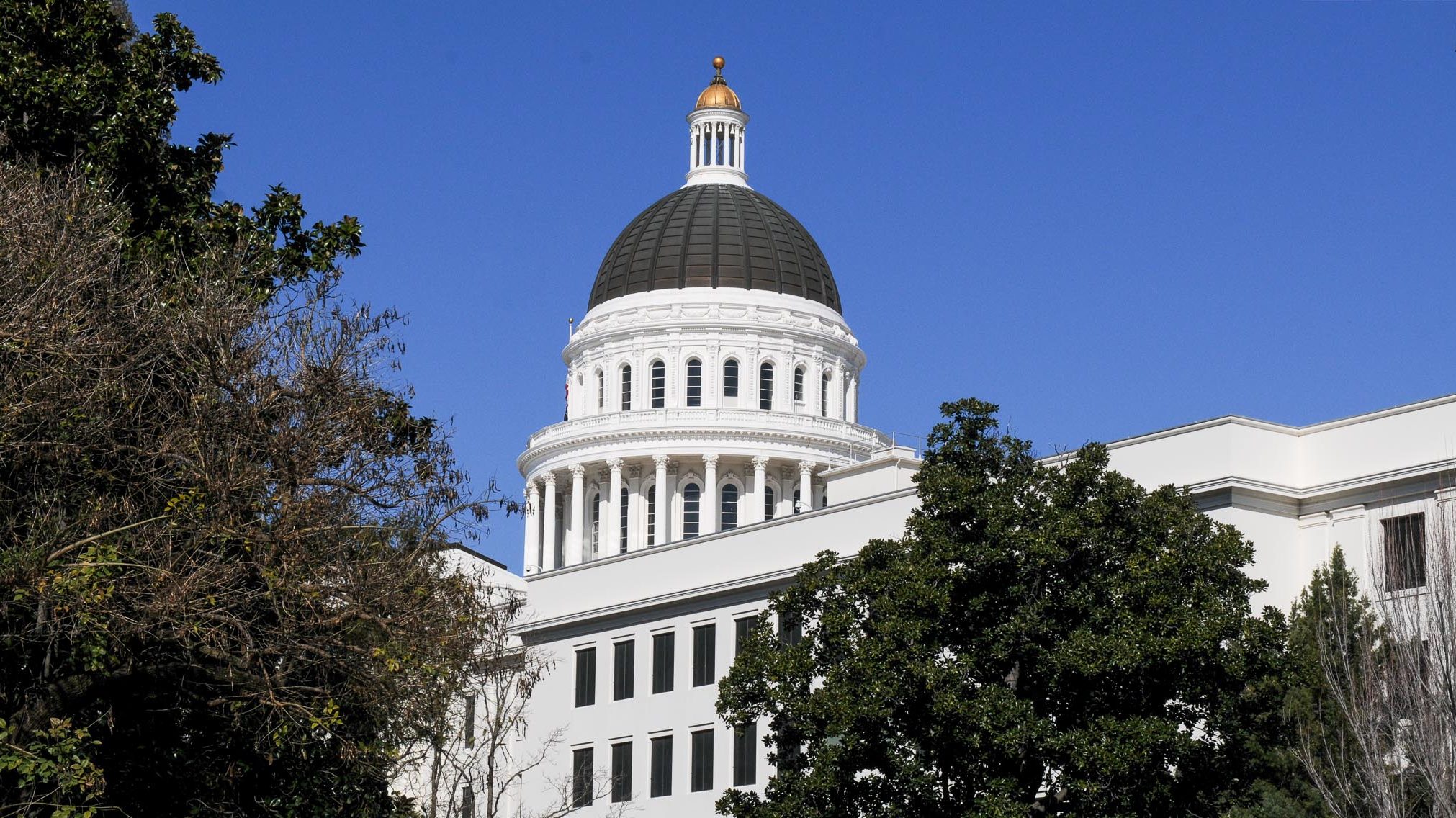
California State Capitol. (Photo: Kevin Sanders for California Globe)
Pleadings in Eminent Domain Cases
If the defendant seeks compensation, the answer must include a statement that the defendant claims compensation
By Chris Micheli, December 20, 2025 2:17 pm
Code of Civil Procedure Part 3, Title 7, Chapter 5, Article 4 deals with pleadings in the commencement of proceedings under California’s eminent domain law.
Section 1250.310 requires the complaint to contain four specified items of information. In addition, a statement of the right of the plaintiff to take by eminent domain the property described in the complaint must include three specified items of information.
Section 1250.320 requires the answer to include a statement of the nature and extent of the interest the defendant claims in the property described in the complaint. If the defendant seeks compensation, the answer must include a statement that the defendant claims compensation, but the answer need not specify the amount of that compensation.
Section 1250.325 allows a defendant to file a disclaimer at any time, whether or not he is in default, and the disclaimer supersedes an answer previously filed by the defendant. The disclaimer need not be in any particular form. It must contain a statement that the defendant claims no interest in the property or in the compensation that may be awarded.
Section 1250.330 provides that, where a party is represented by an attorney, the pleading need not be verified but must be signed by the attorney for the party. The signature of the attorney constitutes a certificate by him that he or she has read the pleading and that to the best of his or her knowledge, information, and belief there is ground to support it.
Section 1250.340 authorizes the court to allow an amendment or supplement to any pleading. In the case of an amendment or supplement to the complaint, the terms and conditions may include a change in the applicable date of valuation for the proceeding and an award of costs and litigation expenses which would not have been incurred had the proceeding as originally commenced been the same as the proceeding following such amendment or supplement.
Section 1250.345 specifies that, subject to the power of the court to permit an amendment of the answer, if the defendant fails to object to the complaint, either by demurrer or answer, he is deemed to have waived the objection.


- Corporations Commissioner Powers - February 27, 2026
- Death Deeds in California - February 27, 2026
- Sources of Law - February 26, 2026
RELATED ARTICLES
-
 May 20, 2025
 -
 February 11, 2025
 -
 October 16, 2025