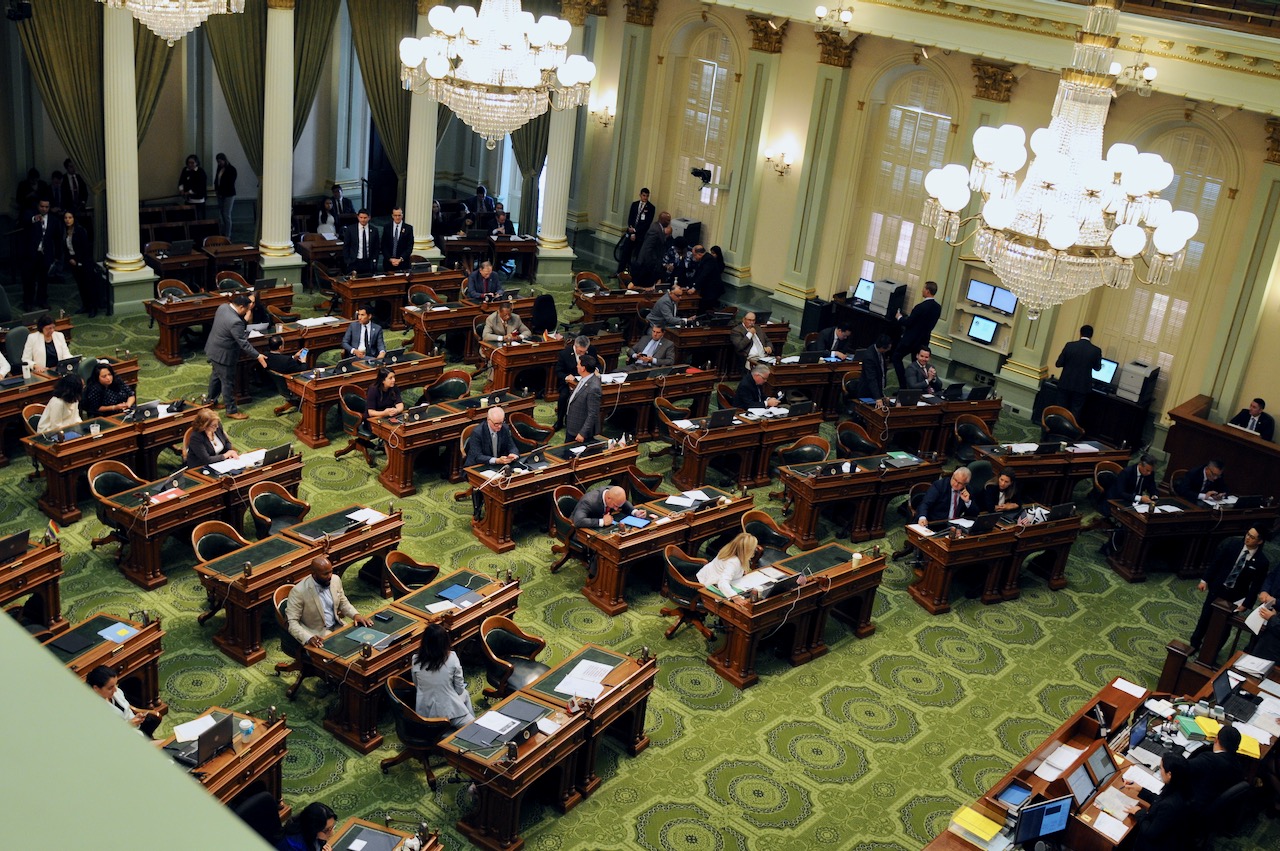
California State Capitol. (Photo: Katy Grimes for California Globe)
Two Single-Subject Rules, One Constitutional Standard
Drafters of bills and ballot measures face distinct constitutional texts depending on the lawmaking path that is utilized
By Chris Micheli, November 24, 2026 2:00 pm
California’s Constitution contains two separate single subject rules (one governing statutes enacted by the Legislature and a second governing initiatives placed before voters) and the California Supreme Court applies a parallel “reasonably germane” standard to both. Drafters of bills and ballot measures face distinct constitutional texts depending on the lawmaking path that is utilized:
Legislative statutes (Cal. Const., Art. IV, §9): Rooted in the 1849 state Constitution, this rule provides that “a statute shall embrace but one subject, expressed in its title. If a statute includes a subject not expressed in its title, only the unexpressed part is void.”
Ballot initiatives (Cal. Const., Art. II, §8(d)): Added in 1948 to the state Constitution, this provision states that an initiative measure embracing more than one subject may not be submitted to the electors or have any effect.
Why do these rules exist? Both provisions aim to protect the integrity of lawmaking and public notice in the following manners:
Preventing “log-rolling”, which means that lawmakers cannot bundle unrelated proposals to build majority support for measures that might not pass on their own if they were not bundled together.
Avoiding voter and legislator confusion, which means that legislative measures must state their core subject clearly so legislators and voters are not misled by hidden or unrelated provisions in the text.
Protecting title notice, which means that, in California bill drafting, the title and its relating clause signal the bill’s subject matter and must do so clearly.
The California Supreme Court generally construes single-subject requirements liberally to uphold statutory enactments by the Legislature. Rather than demanding a narrow or rigid topic, the Court asks whether a measure’s provisions are reasonably germane to one common theme, purpose, or objective.
In Harbor v. Deukmejian (1987), the Supreme Court explained that Article IV, Section 9 contains two independent aspects, the single subject rule and the title requirement, which serve separate purposes. When challenging a statute or initiative, litigants face a high bar if the challenged provisions have a plausible, functional connection to the measure’s stated subject or purpose.
What are some practical takeaways? For bill drafters, initiative proponents, and appellate practitioners alike, the lessons are consistent for all of them:
Draft a clear Relating Clause. Align the bill’s title and relating clause closely with the operative Code sections.
Connect every provision of the text. Ensure each section advances a shared purpose, rather than tacking on unrelated policy changes or riders (which could also run afoul of the constitutional single subject rule).
Anticipate liberal judicial review – Expect state courts to uphold broad, cohesive subjects unless provisions are truly disconnected from the measure’s core theme or purpose.


- Two Single-Subject Rules, One Constitutional Standard - November 24, 2026
- How Bill Drafting Choices Shape Statutory Interpretation Before California Courts - November 24, 2026
- Why Clarity and Structure Matter in California Bill Drafting - November 24, 2026
RELATED ARTICLES
-
 October 16, 2019
-
-