
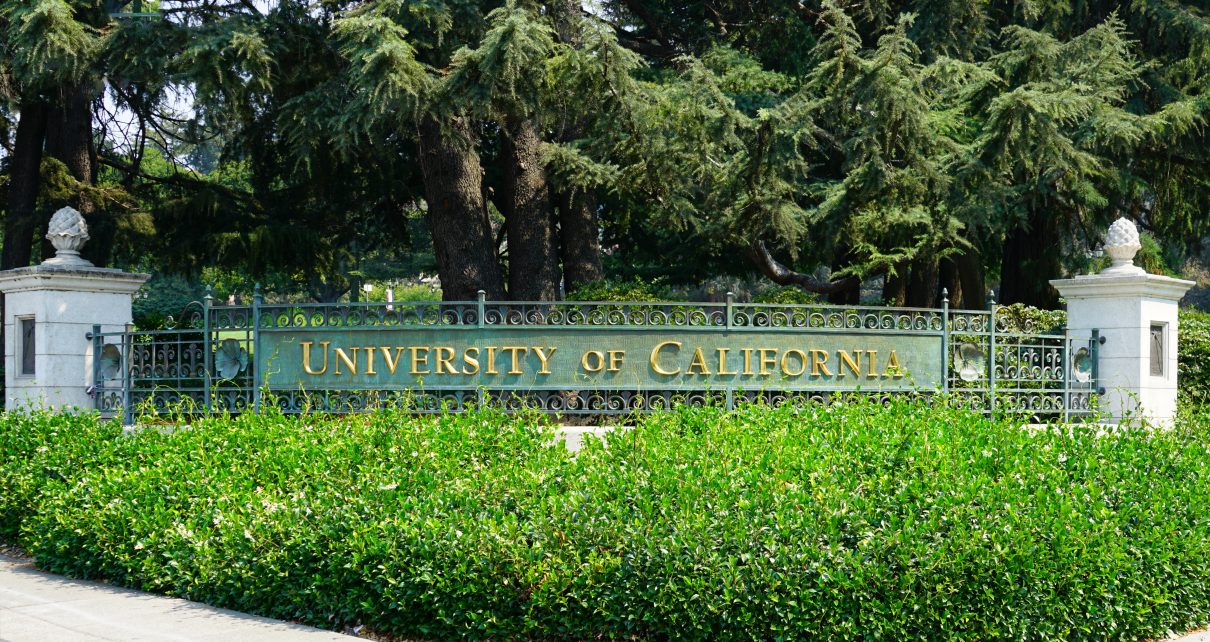
Unethical and Unscientific Williams Institute Report
Report claims outsized effects LGBT Angelenos suffered as a result of the fires
By J. Mitchell Sances, January 29, 2026 9:30 am
The Williams Institute at the University of California Los Angeles School of Law recently published a report on the impact of the historic wildfires on the LGBT communities and citizens affected. The report paints a dismal picture of discrimination and outsized effects that LGBT Angelenos suffered as a result of the fires; however, a deeper look into the full report shows that the facial claims are highly misleading if not bordering on fabricated.
Typically, when studies of this nature are conducted, an academic institution will compile and analyze data using statistical models and in a condensed report, the final pertinent results will be shared with the public. Honest researchers will only report significant findings and will not over generalize the implications. The Williams Institute did not practice honest research when compiling their finalized report.
The condensed report that most people see and that most journalists writing on the findings use in their reporting displayed the information in a very misleading way. The report was based partly on objective numbers collected from a post fire survey and partly on subjective “listening sessions” where LGBT citizens could voice their concerns and grievances. In their publication, the Williams Institute first describes a disparity in the type of housing of the people affected by the Eaton fire. More LGBT citizens rented their homes while a majority of non-LGBT citizens owned their homes, which is consistent with all of LA County. As a result, more of those LGBT renters had to seek legal advice with regard to their rights as tenants after the fires. These two statistics logically go hand-in-hand and do not suggest any presence of discrimination. Furthermore, these were the ONLY objective factors that held statistical significance in all of the findings; that is, every other factor could be attributed to mere chance and thus should be taken with a grain of salt.
The report goes on to describe some of the grievances and claims of discrimination reported by LGBT citizens during a pair of “listening sessions.” The highly subjective and unreliable nature of these sessions will be discussed further, but it is important to note here that the report makes it sound like government agencies both at the state and federal levels showed malice and prejudice solely based on the sexuality and gender expression of these individuals. The report then immediately returns to list other objective statistics found in the survey results. As mentioned before, none of these figures were statistically significant and may as well be considered the luck of the draw; however, in reporting them as facts directly after suggesting there were high levels of LGBT discrimination makes it seem like the Williams Institute wants the reader to correlate these insignificant statistics with discrimination. That is blatantly unethical especially considering the report does not explicitly state that many of these stats are insignificant and unreliable.
As previously mentioned, the Williams Institute conducted two sessions for LGBT citizens affected by the Eaton fire to give anecdotes of how they coped with the stressful situation. Unfortunately, giving a bully-pulpit to a group who considers themselves victimized by society in general, is akin to giving a hypochondriac free use of an emergency room. Every inconvenience will be seen as a slight due solely to prejudice against their sexuality. The report recounts one such instance saying, “Several participants said they believed their claims or needs were taken less seriously once their sexual orientation or gender identity became apparent.
For example, one LGBTQ+ couple described insurance adjusters who ignored or minimized obvious fire damage, with one dismissing the smell of smoke as simply “barbecue.” While this anecdote is obviously frustrating, it is only evidence of an unethical insurance agent. There is no evidence of sexual discrimination; this could just as well have happened to a heterosexual couple.
As if false victimhood and dubious claims of discrimination were not bad enough, the Williams Institute further muddied the waters in their methods of conducting these “listening sessions.” As mentioned before, there were two such sessions that occurred months apart. During the second of these sessions, the researchers admit to presenting the participants with specific examples of discrimination given from the first session. “At the September listening session, the findings from the May discussions were reported to participants. After the presentation of these findings, participants’ reactions to the results and recommendations from the May session and further insights about the progress of the disaster response were solicited,” researchers write. This means the participants were primed to give similar examples of faux discrimination. Considering the results from the two sessions showed almost identical claims, the analogy of hypochondriac seems even more apropos. What is worse is that all of this information is in an appendix at the very end of the full report that one must hunt for and download. In other words, the Williams Institute knew that almost no one would go through the trouble of finding it, much less read it.
This misleading and deceitful report by the Williams Institute is just one example of dishonest academic research. It has become commonplace for activists in universities to approach a question and analysis with preconceived notions and a leftist political agenda. They make methodological choices that taint data, and they report facts and statistics in a deceptive manner all to further a narrative. Moreover, they label their shoddy work “science” so that no one will question their findings, and those who do are called “ignorant” or “conspiracy theorists” when in fact they are simply looking for the truth.

- Conversion Therapy Bill Could Be in Some Hot Water and Has Unexpected Potential - April 9, 2026
- Families File Suit to Continue Gender Experiments on Their Children - March 25, 2026
- Non-Binary Runner Upset with Cashless LA Marathon Prize - March 23, 2026

We lost our house in the 2003 Cedar Fire and can assure you insurance companies treat people the same. Gay or straight, today or 20 years ago… the insurance company’s job is to keep as much as they can, the insured’s job is to get as much as they can. Some companies do a better job at dealing with victims than others, but nobody cares about your sexuality.
The bigger problem is trying to get fire insurance in a state that doesn’t properly manage their forests and ranges.
But, but what about the hermaphrodite, bald one armed, one legged eskimo latino muslims? They suffer greatly.
Have we reached peak absurdity yet?