

California Still Owes $23B in Pandemic-Era Unemployment Loans to Feds, But the Bill is Coming Due
GOP bill targets CA for billions in COVID-era unemployment being repaid by businesses
By Katy Grimes, May 20, 2026 6:54 am

California is the only state in the country that hasn’t repaid its COVID-era unemployment loans to the federal government. And Governor Gavin Newsom is sticking the bill to the state’s business owners.
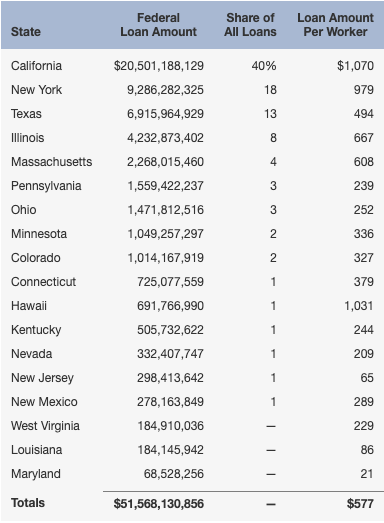
Not many Californians even knew that California borrowed $20,501,188,129 billion from the federal government to pay unemployment claims, the Globe reported in 2021.
The California Legislative Analyst’s Office issued a report in 2021 which showed that California’s loan was 40% of the total $51,568,130,856 billion in loans 17 states borrowed. The next closest state, New York, borrowed $9 billion – less than half of California’s loan.
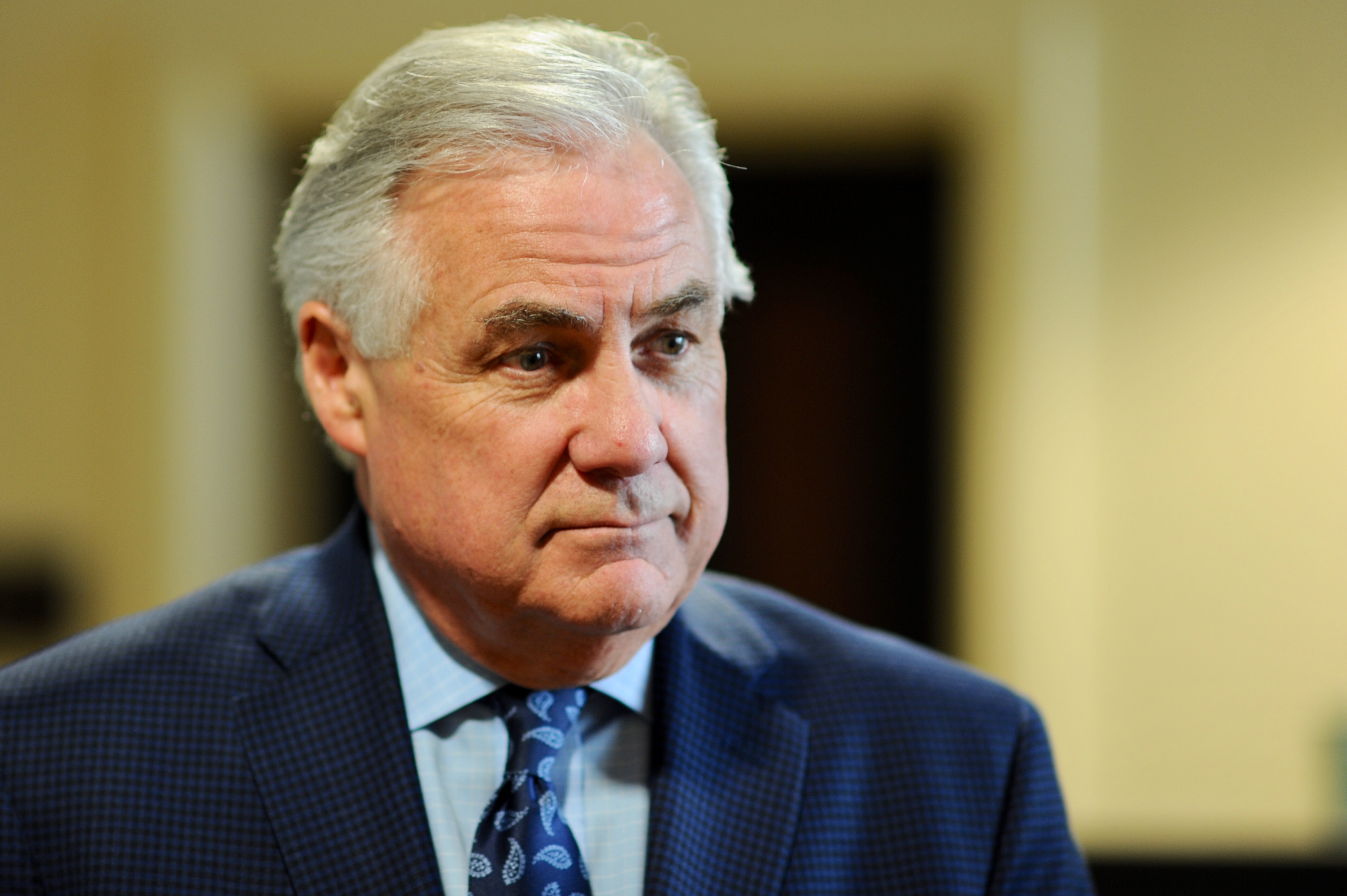
Congressman Vince Fong (CA-20) just introduced the Creating Accountability in Loan (CAL) Repayment Act to rein in pandemic-era unemployment mismanagement and fraud and protect taxpayer-funded public resources.
Rep. Fong’s legislation would require states with outstanding federal unemployment insurance debt to repay that debt before spending eligible additional federal funds they receive on any other purpose. Eligible funds include future flexible federal funding, like the CARES Act or American Rescue Plan.
The CAL Repayment Act is a direct response to California’s failure to pay back its outstanding UI loan to the federal government, a failure that is now costing California employers and taxpayers billions.
Remember California’s $31 Billion in Unemployment Fraud?
It’s not as if Californians were being paid unemployment regularly during the Covid lockdowns.
District Attorneys from across California exposed the massive unemployment benefits fraud in jails and prisons in California, calling it “the biggest fraud on taxpayers in California history.” Millions and quite possibly billions of dollars in unemployment claims was sent to inmates in California’s county jails, and state and federal prisons, while legitimate claimants have been stiffed for months.
The Globe spoke with several California unemployment claimants who reported that for months they didn’t received their benefits, and were continually put off for additional weeks by EDD employees. One said he was told by the EDD he had to provide his 2019 Federal tax return before his claims could be processed.
Businesses have been paying an extra $42 per employee this year in unemployment payroll tax increases on the unpaid balance. The state had a $98 billion budget surplus in 2022 that Democrats spent on infrastructure and homelessness programs, and subsidized health insurance for illegal immigrants instead, Fong said.
California’s outstanding federal UI loan balance still exceeds $18 billion, Rep. Fong says. He notes California’s history of mismanagement, such as the Newsom administration’s “pay now, verify later” approach during the pandemic, which removed traditional eligibility safeguards and invited massive fraud, including:
- At least $32 billion in fraudulent payments from California’s Employment Development Department.
- Thousands of inmates, including murderers, rapists, and death row inmates, received up to $1 billion in unemployment benefits.
Why did California borrow $20.5 billion from the federal government? The LAO explained:
State’s UI Trust Fund Became Insolvent Shortly After Pandemic Began. Prior to the pandemic, at the start of 2020, the state’s UI trust fund held $3.3 billion in reserves. Despite these reserves, the state’s UI trust fund became insolvent during the summer of 2020, a few months following the start of the pandemic and associated job losses. (As described above, federal law provides states automatic federal loans to continue paying state benefits should a state’s UI trust fund become insolvent.) As shown in Figure 1, by the end of 2020, the state’s UI trust fund had a negative $18 billion fund balance.
Newsom borrowed $20 Billion in 2021 shortly after he announced that the state had excess reserves, and instead sent out stimulus checks to some Californians, to look like a hero after locking down the entire state. Many speculated he was buying goodwill for his looming recall election.
What the CAL Repayment Act Does:
- Requires states with outstanding federal UI advances to apply eligible future federal funds, like the CARES Act or American Rescue Plan, toward repayment within five business days before spending on any other purpose.
- Prohibits states from directing flexible federal funds elsewhere while UI debt remains outstanding.
- Establishes a strict enforcement mechanism: states that violate the requirement must repay the full amount of misused funds to the federal government within five business days.
- Applies prospectively to certain federal funds awarded on or after the date of enactment.


A California native and Navy mom, Katy lives in Sacramento, CA.
- Los Angeles’ Latest Typhus Outbreak: More ‘Medieval’ Conditions - September 23, 2026
- DHS Investigating 300,000 Cases of Voter Fraud Using States’ Voter Rolls - September 23, 2026
- Gov. Newsom Claims He’s Offering Utility Bill Relief as California Utilities Are Up 30% - September 22, 2026


Thank God California has a fiscally conservative Republican Congressman like Vince Fong who is trying to rein in pandemic-era unemployment mismanagement and fraud perpetrated by irresponsible Democrat politicians in states like California with his Creating Accountability in Loan (CAL) Repayment Act. Katy Grimes and California Globe contributors did an excellent job of exposing and reporting on California’s massive unemployment mismanagement and fraud that occurred under the corrupt Newsom regime.
Yes, TJ Thank God for conservatives like Vince Fong!
Is it not interesting who the California State Treasurer was at the time? None other than San Francisco transplant, Fiona Ma! She now wants a job upgrade and is running for Lt. Governor. Interestingly enough she scrubbed her 2021 end of year letter during that time of the excessive, unaccounted covid spending. I tried opening the page and got a 404 return that it no longer exists. Hmmm…
https://www.treasurer.ca.gov/pdfs/treasurer-ma-year-end-letter-2021.pdf
Also where is Julie Su, calling Julie Su..
Where did all the money go?
These people need to be hanging from the street lights!!
Julie Su what happened to all the $$$you lost or gave away during COVID?then you take off to DC to work in Joe Bidens Swamp,tried pass a bill to get the tax payers to bail out California Debt!! I am hoping people will stop voting party lines and start thinking for themselves in other words WAKE UP!!!!