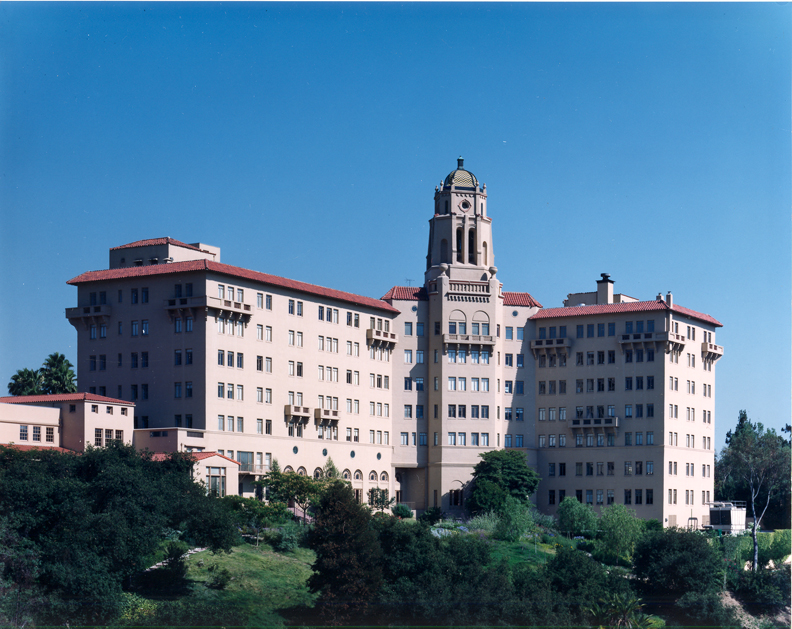
Richard H. Chambers United States Court of Appeals of the Ninth Circuit Courthouse. (Photo: gsa.gov)
Ninth Circuit Greenlights DOJ Noncitizen Ballot Probe; Full Court Reverses Hour Later
Short-lived order allows federal warnings against counting suspected noncitizen ballots; Obama-appointed chief judge dissents
By Megan Barth, November 3, 2026 12:37 pm
This article has been updated below with breaking news.
In the latest twist in the ongoing battle between the U.S. Department of Justice and California over roughly 20,000 mail ballots linked to individuals federal authorities flag as likely noncitizens, a Ninth Circuit panel briefly restored the DOJ’s ability to request sequestration of those ballots, warn election officials of potential criminal liability, and pursue related investigations.
The 2-1 ruling, issued late on November 2, was vacated hours later by the full Ninth Circuit, which ordered an en banc rehearing and restored the underlying district court restrictions. The panel majority—Judges Carlos T. Bea and Consuelo M. Callahan, both appointed by President George W. Bush—stayed a temporary restraining order issued by U.S. District Judge Trina L. Thompson, a Biden appointee in the Northern District of California.
That order, sought by groups including SEIU, AFSCME, LULAC, and the NAACP, had barred the DOJ and Department of Homeland Security from demanding that state and local officials halt processing, segregate, or refuse to count ballots of registered voters the administration alleges are ineligible, and from threatening officials with prosecution for following state procedures.
Chief Judge Mary H. Murguia, appointed by President Barack Obama, dissented.
The majority held that the government’s actions—sending letters requesting ballot separation, noting federal criminal prohibitions on noncitizen voting under 18 U.S.C. § 611, and conducting investigations—are core executive functions under the Take Care Clause and do not constitute unlawful intimidation under the Voting Rights Act or an unconstitutional override of state authority under the Elections Clause.
States remain free to refuse the requests. The court found the government likely to succeed on the merits and face irreparable harm if barred from enforcing federal election laws.
Murguia’s dissent rejected that framing. She wrote that the demands were not mere requests but coercive threats aimed at overriding state procedures the courts had already declined to force California to abandon: “If Defendants lack the authority to directly compel state election officials to implement their preferred state elections procedures, it is difficult to imagine how Defendants may indirectly coerce state election officials to disregard state eligibility procedures through threat of prosecution.”
She warned the approach risked intimidating election workers and disrupting an ongoing election, consistent with principles against late changes to election administration.
This panel decision briefly advanced the DOJ’s broader campaign to verify the citizenship of voters on California’s rolls and prevent dilution of lawful votes.
It came after successive setbacks: U.S. District Judge David O. Carter (Clinton appointee) denied the DOJ’s bid to force segregation of the ballots, a prior Ninth Circuit panel (including Trump appointee Mark J. Bennett and Biden appointee Gabriel P. Sanchez, with Trump appointee Patrick J. Bumatay dissenting) rejected emergency appeals, and the Supreme Court declined to intervene.
The underlying dispute stems from the DOJ’s October 15 lawsuit after California refused a 48-hour demand to review a list of roughly 20,000 names the government said were likely noncitizens who had received ballots under the state’s automatic mailing system. California officials have called the list unreliable; Los Angeles County has confirmed it “is not equipped or authorized to verify voter citizenship because it does not independently house citizenship-related information beyond the voter attestation.”
The full court’s rapid vacatur means the Thompson order is back in effect pending the en banc review, limiting the DOJ’s ability to press election officials with sequestration demands or prosecution warnings in the immediate term.
It underscores the continuing resistance the department has faced in its efforts to clean rolls of noncitizens and dead registrants identified in reviews of cooperating states, while California has maintained that its attestation process complies with federal law and that the timing of the federal push risks disenfranchising eligible voters.
First Assistant U.S. Attorney Bill Essayli, who has led the Central District’s involvement, responded to the panel ruling by stating: “The TRO issued by a San Francisco judge purporting to restrict DOJ investigations into election officials has been appropriately lifted. Conducting criminal investigations is a core function of the executive branch, not the judiciary.”
Earlier, he said of the sequestration request: “Today we seek a Supreme Court emergency injunction to preserve American elections for American voters only,” and described the 20,000 figure as “the floor.”
Governor Gavin Newsom has previously dismissed the DOJ’s claims as an “absolute clown show” after the department sent lists that included people who had never voted or were from the wrong county. Essayli replied by calling him “Fraud King” and stating: “You’re not allowed to have any noncitizens on your voter rolls. ‘Period. Full stop.’ … What are you afraid of?”
After the Supreme Court denial, Newsom said the highest court “firmly slapped down the Trump DOJ’s baseless attack on California’s electoral process—not even entertaining it,” adding that Californians can “feel secure in knowing the state will carry out a free and fair election.”
The en banc rehearing will determine whether the panel’s view of executive authority prevails or whether the dissent’s concerns about coercion and state control of election procedures carry the day. In the meantime, California continues processing ballots under its existing system as Election Day arrives.
Update: In a 6-5 vote, an 11-judge en banc panel of the Ninth Circuit on Tuesday reinstated the earlier three-judge panel’s order lifting restrictions on the Justice Department’s efforts to request that states set aside ballots from suspected noncitizens and to warn election officials that knowingly counting unlawful ballots could result in federal prosecution. The ruling marks the court’s third order in roughly 12 hours. Five judges dissented, with Chief Judge Mary H. Murguia arguing that the threats of prosecution leave election officials facing conflicting legal obligations. The full order is available here.
Ninth Circuit

- ELECTION DAY WHIPLASH: Ninth Circuit Restores DOJ Power to Flag Suspected Noncitizen Ballots - November 3, 2026
- Ninth Circuit Greenlights DOJ Noncitizen Ballot Probe; Full Court Reverses Hour Later - November 3, 2026
- Dark Money Mailers Attacking Flippo in Nevada CD-2 Prompts FBI Investigation - November 2, 2026