

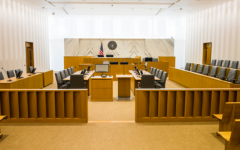
California State Capitol. (Photo: Katy Grimes for California Globe)
A Unique Aspect of California Statutory Interpretation: Legislative Intent
The fundamental rule in California courts is to find what the Legislature meant
By Chris Micheli, November 4, 2026 2:24 pm
A unique aspect of California statutory interpretation is that California courts place an overarching, primary focus on ascertaining and effectuating the specific intent of the Legislature, rather than relying solely on a rigid text-bound or formalistic textualism.
As a result, the fundamental rule in California courts is to find what the Legislature meant and promote the general purpose and policy behind the law, steering clear of technical or absurd outcomes. In fact, this approach is embodied in California statute law:
California’s primary statutory mandate for determining legislative intent is found in Code of Civil Procedure Section 1859, which states that “in the construction of a statute the intention of the legislature … is to be pursued, if possible.” Enacted in 1872, this foundational rule directs courts to prioritize and follow the intent of the Legislature when construing statutory language.
In addition, Government Code Section 9080, which was also enacted in 1996, explicitly declares that legislative records relating to bills and resolutions provide official evidence of legislative intent for subsequent legal interpretations.


- Intrinsic Versus Extrinsic Evidence for Statutory Interpretation - November 5, 2026
- Indemnity in California - November 5, 2026
- A Unique Aspect of California Statutory Interpretation: Legislative Intent - November 4, 2026
RELATED ARTICLES
-
-
 November 25, 2024
-
 October 14, 2026