

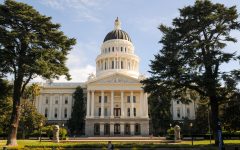
California State Capitol. (Photo: Katy Grimes for California Globe)
Intrinsic Versus Extrinsic Evidence for Statutory Interpretation
The courts apply semantic and substantive canons
By Chris Micheli, November 5, 2026 8:04 am
California courts follow a strict hierarchy in statutory interpretation, prioritizing intrinsic evidence (the statute’s text and internal structure) first and turning to extrinsic evidence (external aids like legislative history) only if the text is ambiguous.
The first priority is intrinsic evidence. Courts begin by examining the actual words of the statute, giving them their usual, ordinary, and commonsense meaning. Words are not read in isolation. Instead, the statutory language is interpreted in the context of the entire statute and harmonized with the overall statutory scheme (e.g., using the canon in pari materia).
The courts apply semantic and substantive canons, such as noscitur a sociis (meaning words grouped in a list are known by their neighbors) and the rule against surplusage, in order to determine what the text means internally. If the statutory language is clear, plain, and unambiguous on its face, then the text controls completely. Courts will not use outside aids to create an ambiguity or rewrite clear law.
A secondary aid is extrinsic evidence. If, and only if, the statutory language is found to be genuinely ambiguous (i.e., susceptible to more than one reasonable interpretation, or unclear in application), do California courts look outward and consider extrinsic aids.
When ambiguity exists, courts consult extrinsic aids to reconstruct legislative intent. This includes cognizable materials such as bill analyses, committee reports, floor statements, and historical background, which courts may judicially notice. Extrinsic evidence is used strictly as a tool to help clarify the true intent of the Legislature (in statutes) or voters (in initiatives), rather than to contradict, expand, or bypass clear statutory text.


- Intrinsic Versus Extrinsic Evidence for Statutory Interpretation - November 5, 2026
- Indemnity in California - November 5, 2026
- A Unique Aspect of California Statutory Interpretation: Legislative Intent - November 4, 2026
RELATED ARTICLES
-
 November 4, 2025
-

-
