
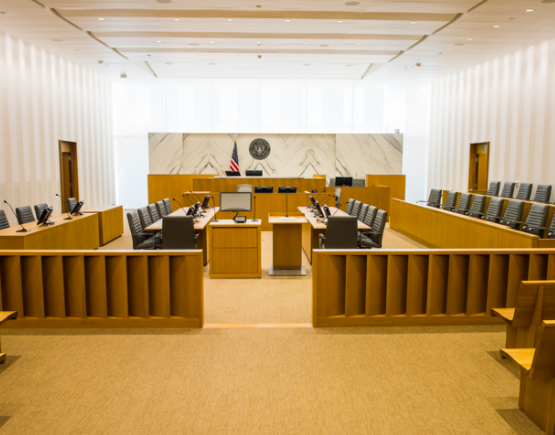
Central District of California in Los Angeles courtroom. (Photo: uscourts.gov)
What Are Some Unique Aspects of Statutory Interpretation in California?
State courts are explicitly guided to construe statutes to promote their general purpose and avoid practical mischief, unreasonableness, or absurd results
By Chris Micheli, October 21, 2026 12:19 pm
It centers on a primary mandate that courts in this state should ascertain and effectuate legislative intent. While California shares many common-law and statutory canons with federal courts and other states, several features distinguish its approach to statutory construction.
Paramount Focus on Legislative Intent and Purpose
California courts repeatedly state that the fundamental rule of construction is to find the intent of the Legislature so as to effectuate the purpose of the law, rather than applying a rigid textualist approach.
State courts are explicitly guided to construe statutes to promote their general purpose and avoid practical mischief, unreasonableness, or absurd results.
Unlike some jurisdictions that minimize preamble or uncodified language, California statutes frequently feature extensive legislative intent statements, findings and declarations, and other uncodified or codified language that courts are expected to utilize.
Treatment of Voter Ballot Measures
A portion of California law comes from voter-enacted initiatives (propositions that enact statutes and constitutional amendments) rather than the state legislature.
When interpreting initiatives, courts pivot from “legislative intent” to discerning the intent of the voters who passed the measure, often relying on official ballot pamphlets, arguments, and analyses, rather than traditional legislative committee hearings or floor debates.
Extrinsic Aids and Judicial Notice
Under landmark California cases like Kaufman & Broad Communities v. Performance Plastering, California courts have developed specific doctrines on what constitutes cognizable legislative history.
Pursuant to Evidence Code § 452(c)), state courts routinely take judicial notice of specific official records—such as bill analyses, committee reports, and enrolled bill reports from the Governor’s file—to reconstruct why a law was changed or added.
Courts generally look to extrinsic aids and legislative history only if the statutory language is found to be ambiguous (semantic, syntactic, or contextual), though panel consensus on ambiguity is determined at the appellate level, rather than during preliminary motions.
Statutory Code Mechanics and Defaults
California’s 29 statutory codes share baseline interpretive rules codified within the codes themselves, including the following directives:
• “Shall” vs. “May”: “Shall” is strictly mandatory, while “may” is permissive.
• Tense and Number: The present tense includes the past and future; the singular includes the plural (and vice versa).
• Gender Neutrality: The masculine gender includes the feminine and neuter.
• Headings: Section and chapter headings generally do not alter or limit the explicit scope of the plain text.
Rejection of Broad Agency Deference
California courts have moved away from granting blind or “uniquely deferential” weight to administrative or regulatory agency interpretations (such as historical approaches to the Public Utilities Commission), holding that ultimate interpretive power rests with the judiciary to check abuses of discretion.


- General Provisions for Common Interest Developments - October 21, 2026
- What Are Some Unique Aspects of Statutory Interpretation in California? - October 21, 2026
- Corporate Net Income - October 21, 2026
RELATED ARTICLES
-
 November 25, 2024
-
 November 4, 2025
-
 November 8, 2022