

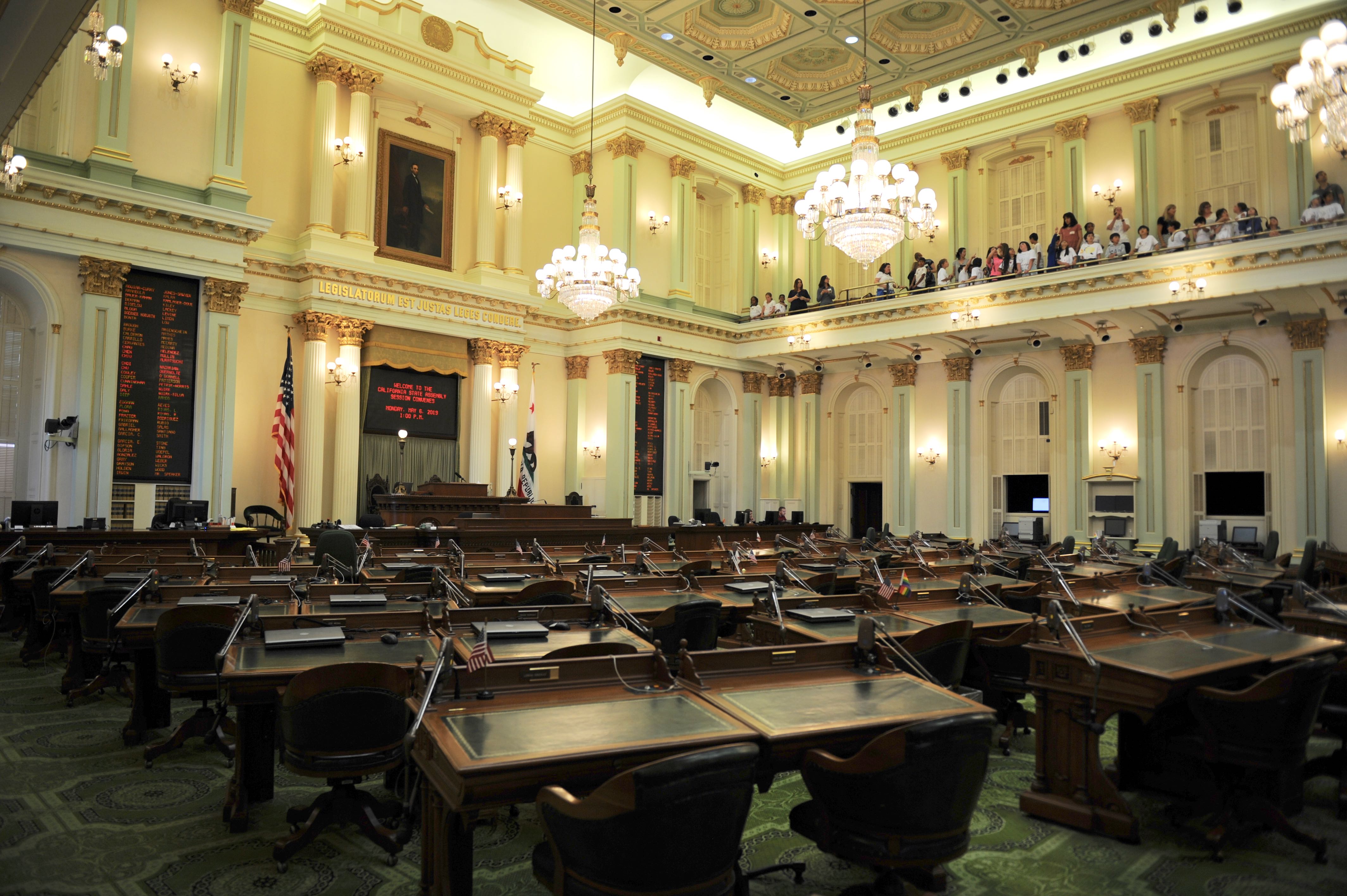
California State Capitol. (Photo: Katy Grimes for California Globe)
How Do California Courts View a Bill’s ‘Plus Sections’?
Judges in this state use plus sections as a primary internal tool of legislative history
By Chris Micheli, November 22, 2026 4:00 pm
In California legislative drafting, “plus sections” (also known as uncodified sections) are the technical, concluding provisions placed at the end of a bill that do not get permanently numbered and integrated into the official California Codes (like the Government Code or Penal Code). What are examples of these plus sections?
Plus sections appear after the operational or amendatory code sections of a bill. Common examples include:
- Statements of legislative intent or findings and declarations, which explain why the Legislature is passing the law, what problems it aims to solve, or declaring an intent to overrule (or not change) a specific judicial decision.
- State-Mandated Cost Disclaimers, which explain why the state is or is not reimbursing local agencies under Article XIII B, Section 6 of the California Constitution (often the most frequent plus section).
- Operational rules, such as urgency clauses, immediate-effect declarations, delayed operative dates, sunset (limited duration) clauses, severability clauses, or contingent enactment clauses (making the bill dependent on another bill passing).
- Special designations, which explain special statutes, statewide concern declarations (distinguishing a matter from a purely municipal affair), or tax levy notes.
How do California courts view plus sections and legislative intent? State courts routinely look to plus sections when interpreting statutes, particularly when statutory language is ambiguous or contested. However, courts apply distinct rules to their weight and mechanics, including the following:
They are generally not conclusive, but plus sections are entitled to judicial consideration. As the California Supreme Court noted in People v. Allen (1999) 21 Cal.4th 846, statements of intent or findings in uncodified plus sections “while not conclusive, are entitled to consideration.” They help courts reconstruct the overarching purpose of the statute.
Plus sections do not confer power, determine rights, or expand the scope of a statute. An uncodified intent or declaration clause cannot override clear, unambiguous operational language in the codified text of a statute. They cannot create a substantive right, grant administrative power, or broaden the legal reach of the bill beyond what the actual code sections enact.
Generally, judges in this state use plus sections as a primary internal tool of legislative history (alongside committee analyses and floor debates) to answer questions such as: Did the Legislature intend this law to apply retroactively or prospectively? Was a particular local government impact anticipated? Did a general statement of purpose narrow or broaden a loosely worded definition?


- How Do California Courts View a Bill’s ‘Plus Sections’? - November 22, 2026
- Some Codified California Statutory Interpretation Rules - November 22, 2026
- Effective California Legislative Drafting - November 22, 2026
RELATED ARTICLES
-
 November 9, 2026
-
 November 3, 2024
-
 April 7, 2023