

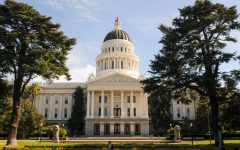
California State Capitol. (Photo: Katy Grimes for California Globe)
Advice on Navigating the California Rulemaking Process
I advocate against the growing trend of the California Legislature adopting statutory exemptions to bypass the APA
By Chris Micheli, October 18, 2026 9:23 am
My primary advice on the California rulemaking process focuses heavily on navigating the strict requirements of the state’s Administrative Procedure Act (APA), maximizing public participation, and strictly avoiding underground regulations.
Strict Adherence to the APA
California law requires every one of the state’s 200+ agencies, departments, boards, and commissions to satisfy the basic minimum procedural requirements of the APA when adopting, amending, or repealing regulations, unless specifically exempted by statute.
Maximizing Public Participation and Transparency
Notice and Comment: I advocate against the growing trend of the California Legislature adopting statutory exemptions to bypass the APA. I strongly believe that public notice and the opportunity to be heard are essential for meaningful public participation in the rulemaking process.
Public Hearings: The mechanics of public engagement are crucial. If a significant, statewide adverse economic impact on businesses is determined, agencies must properly identify affected entities and report compliance projections. A public hearing must be granted if an interested person submits a written request at least 15 days before the close of the written comment period.
Avoiding Underground Regulations
Rule Definitions: An agency cannot enforce any guideline, criterion, bulletin, manual, or instruction of general application unless it has gone through the formal APA process.
The “Underground” Trap: Practitioners and agencies alike should be aware that issuing informal policies or unadopted guidelines could constitute an illegal “underground regulation” subject to challenge.
Technical Rigor in Regulatory Drafting
Four Required Preliminaries: For agencies initiating rulemaking, there is the strict necessity of properly developing the four preliminary foundation documents before filing with the OAL:
1. The express terms (the proposed regulatory text).
2. The initial statement of reasons (ISOR).
3. The fiscal impact statement.
4. The notice of proposed rulemaking.
Drafting Best Practices: I advocate for regulatory drafting that utilizes clear, active voice, distinct definitions, and gender-neutral phrasing to ensure long-term legal durability and clarity.


- Advice on Navigating the California Rulemaking Process - October 18, 2026
- Some Suggestions for Those New to the California Constitution - October 18, 2026
- General Principles of Nuisance - October 17, 2026
RELATED ARTICLES
-
-
 October 15, 2026
 -
 January 25, 2019