
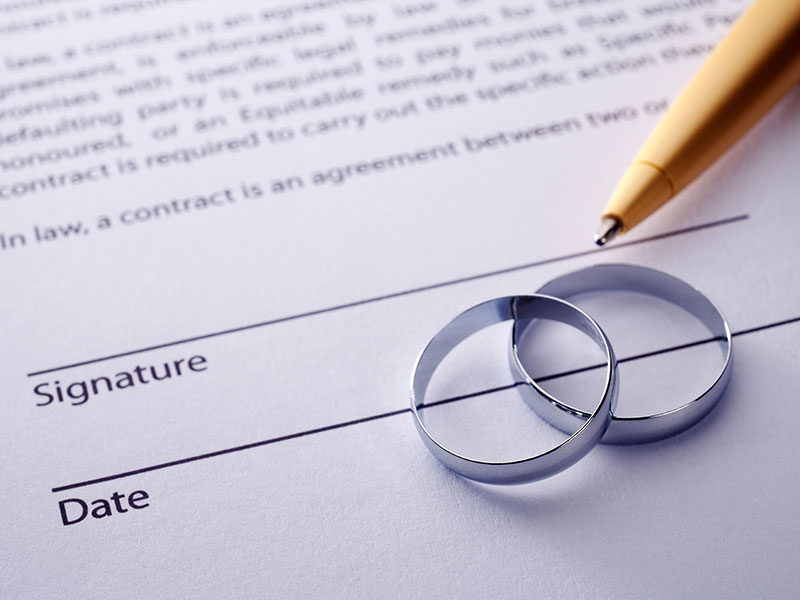
Marriage Certificate. (Photo: ca.gov)
Damages for Injuries to a Married Person
The community property may not be used to discharge the liability
By Chris Micheli, September 19, 2025 6:50 am
California’s Family Code, in Division 4, Part 2, Chapter 3 deals with damages for injuries to married persons. Section 780 provides that money and other property received or to be received by a married person in satisfaction of a judgment for damages for personal injuries, or pursuant to an agreement for the settlement or compromise of a claim for such damages, is community property if the cause of action for the damages arose during the marriage.
Section 781 states that money or other property received or to be received by a married person in satisfaction of a judgment for damages for personal injuries, or pursuant to an agreement for the settlement or compromise of a claim for those damages, is the separate property of the injured person if the cause of action for the damages arose out of specified circumstances.
Section 782 provides that, where an injury to a married person is caused in whole or in part by the negligent or wrongful act or omission of the person’s spouse, the community property may not be used to discharge the liability of the tortfeasor spouse to the injured spouse or the liability to make contribution to a joint tortfeasor until the separate property of the tortfeasor spouse, not exempt from enforcement of a money judgment, is exhausted. There are exceptions.
Section 782.5 states that, when a spouse is convicted of attempting to murder the other spouse, or of soliciting the murder of the other spouse, the injured spouse is entitled to an award to the injured spouse of 100 percent of the community property interest in the retirement and pension benefits of the injured spouse. The term “injured spouse” is defined.
Section 783 specifies that, if a married person is injured by the negligent or wrongful act or omission of a person other than the married person’s spouse, the fact that the negligent or wrongful act or omission of the spouse of the injured person was a concurring cause of the injury is not a defense in an action brought by the injured person to recover damages for the injury except in cases where the concurring negligent or wrongful act or omission would be a defense if the marriage did not exist.


- Validating Proceedings in California - March 7, 2026
- Manner of Sale of Real and Personal Property - March 7, 2026
- Bankruptcy Reorganizations - March 6, 2026
RELATED ARTICLES
-
 February 28, 2025
 -
 August 27, 2019
 -
 August 24, 2019