

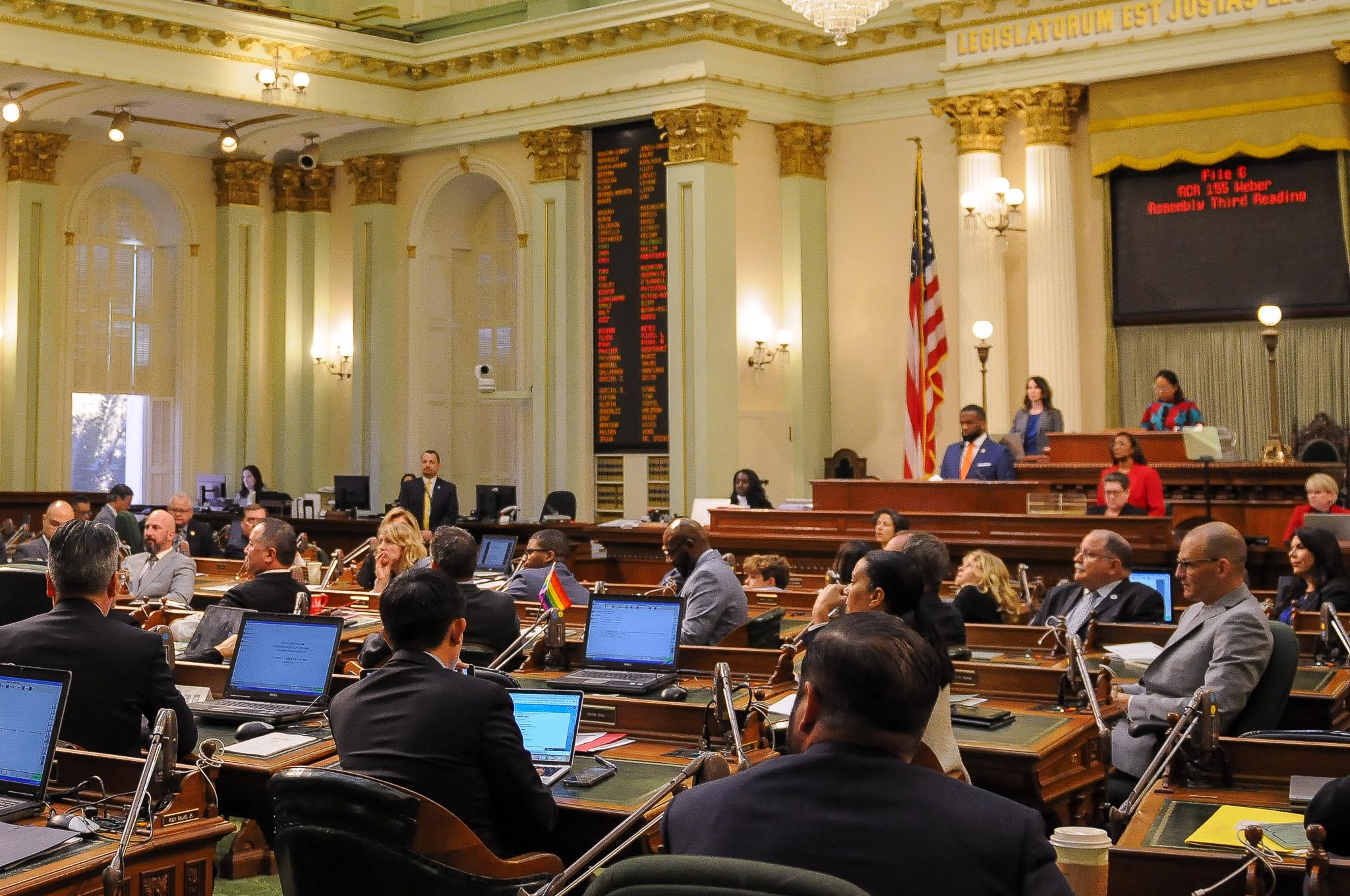
California State Capitol. (Photo: Katy Grimes for California Globe)
Guidance on California Rulemaking Process
California has over 200 state agencies, departments, boards, and commissions
By Chris Micheli, November 12, 2026 7:54 pm
My general guidance on the California rulemaking process as a highly structured, legal “labyrinth” governed by the Administrative Procedure Act (APA) and strictly overseen by the Office of Administrative Law (OAL).
Foundational Landscape
California has over 200 state agencies, departments, boards, and commissions authorized to create public policy by adopting, amending, or repealing regulations.
These bodies maintain over 60,000 active state regulations compiled across 28 subject-matter titles in the California Code of Regulations (CCR).
The APA broadly applies to any rule of general application. Agencies cannot bypass the APA by calling a rule a “guideline,” “bulletin,” “manual,” or “instruction”—doing so creates an illegal “underground regulation”.
Preliminary Phase and “The Four Documents”
Before an agency can formally initiate rulemaking, it must develop four required core documents during the preliminary activity stage:
Express Terms: The precise text of the proposed regulation.
Initial Statement of Reasons (ISOR): The rationale explaining why the regulation is necessary.
Fiscal Impact Statement: An assessment of the financial impact on state/local government and businesses.
Notice of Proposed Rulemaking: The formal announcement to the public.
The Public Participation Phase
Once the documents are prepared and filed, the public process begins:
The 45-Day Notice: The formal public comment period must last for a minimum of 45 days, allowing the public to submit written feedback.
Public Hearings: Agencies must hold a public hearing if a member of the public requests one.
Final Statement of Reasons (FSOR): The agency is legally mandated to review, summarize, and formally respond to all public comments received before submitting the final package.
The OAL Review Phase
The completed rulemaking file is submitted to the Office of Administrative Law (OAL), which has 30 working days to review the record. OAL is strictly limited to evaluating the regulation against six statutory standards of review:
• Authority: Does the agency have the statutory power to grant this regulation?
• Reference: What specific statute or court decision is the agency implementing or interpreting?
• Consistency: Is it compatible with existing laws and regulations?
• Clarity: Is the regulation written easily enough to be understood by those affected?
• Nonduplication: Does the regulation avoid serving the exact same purpose as an existing state or federal law?
• Necessity: Has the agency demonstrated a distinct need for the regulation in the record?
If the regulation meets all six standards, OAL approves it, and it is filed with the Secretary of State to become law. If it fails, OAL rejects the regulation and returns it to the agency with an explanation of its deficiencies.


- Guidance on California Rulemaking Process - November 12, 2026
- Would Codifying Canons of Statutory Interpretation Overstep the Legislature’s Role? - November 12, 2026
- Amending Articles - November 12, 2026
RELATED ARTICLES
-
 November 1, 2026
-
 October 18, 2026
-
 May 14, 2020