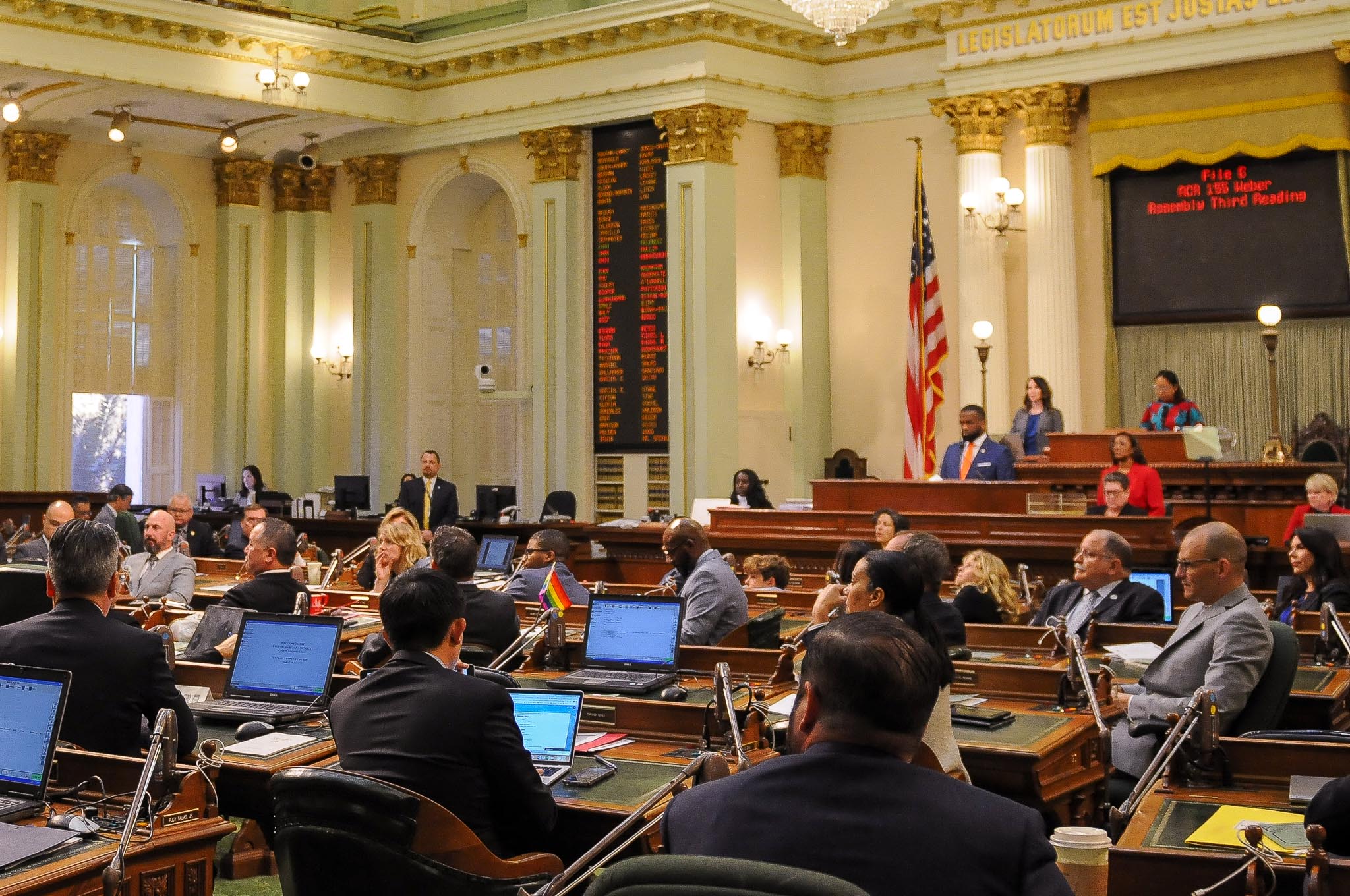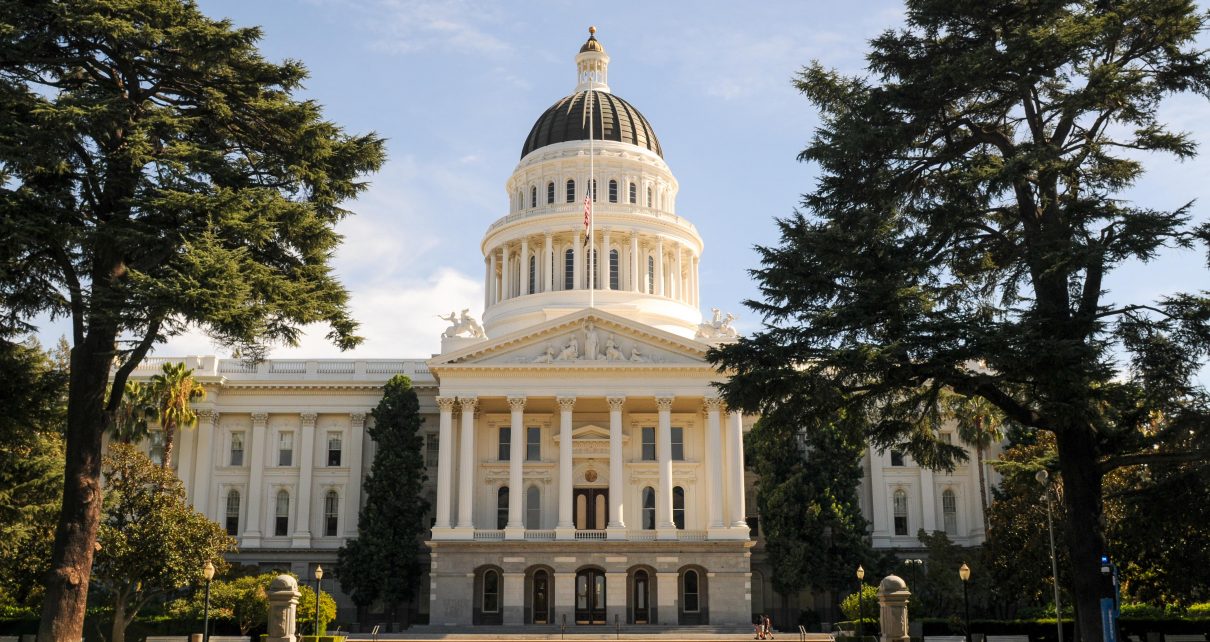
California State Capitol. (Photo: Kevin Sanders for California Globe)
Making Findings and Declarations Stronger
Most importantly, they should be understood as not being mere opinions; instead, they should be fact based
By Chris Micheli, May 25, 2026 2:00 pm
Findings and declarations are being used more frequently in bills that are being considered by the California Legislature. Whether or not these statements are necessary is the subject of debate among legal scholars. However, if findings and declarations are to be used, I believe they can be strengthened in most instances. And, most importantly, they should be understood as not being mere opinions; instead, they should be fact based.
Most legislative findings and declarations are contained in uncodified statutes (meaning they are not in one of California’s 29 Codes), most often in section one of the bill. The following is an example from a 2026 Session bill:
SECTION 1.
The Legislature finds and declares all of the following:
(a) Effective public safety depends on trust and cooperation between local communities and local law enforcement agencies.
(b) California has a long-standing policy of limiting entanglement between state and local law enforcement and federal civil immigration enforcement, including through the California Values Act, the TRUST Act, and related statutes.
(c) The State of California has a compelling interest in establishing uniform standards for the hiring of peace officers to protect community trust, avoid conflicts of interest, and ensure accountability to state and local residents.
(d) The State of California has exclusive authority to determine the qualifications and disqualifications for state and local peace officers.
What is my concern with this set of legislative findings and declarations? Subdivisions (a) and (c) appear to be opinions, while subdivisions (b) and (d) appear to be factual statements. Is there a basis for the opinions? What is the factual basis for the other two statements?
Answering these two questions is the basis for my concern. Like most findings and declarations, there is no citation to the factual statements, and the opinion-like statements should also have a basis in law or fact. Why? Because these legislative statements serve as the basis for the ensuing statutory provisions.
For those who must administer the law (e.g., executive agencies or departments, law enforcement), for those who must interpret the law (i.e., the judicial branch), and for those who must follow the law (e.g., the regulated community, the general public), we not only want to make the statutory provisions clear and concise, but also we want the provisions to be understood in their context.
As a result, if a bill is going to use legislative findings and declarations, then I think they should have a basis in law and fact, and not be mere opinions. So, how could the above example of legislative findings and declarations be improved? I would suggest the following additions:
SECTION 1.
The Legislature finds and declares all of the following:
(a) Effective public safety depends on trust and cooperation between local communities and local law enforcement agencies (See, for example, “50-State Report on Public Safety,” published by the Justice Center at the Council of State Governments; “Improving Public Safety Through Better Accountability and Prevention,” a study by the Center for American Progress; “The Need for Relationship-Based Policing,” a report by the National Policing Institute).
(b) California has a long-standing policy of limiting entanglement between state and local law enforcement and federal civil immigration enforcement, including through the California Values Act (which established California as a “sanctuary state” in 2017 as set forth in Government Code Sections 7284 – 7284.12), the TRUST Act (beginning in 2014, that limits local law enforcement’s cooperation with federal immigration holds under Government Code Sections 7282 and 7282.5), and related statutes.
(c) The State of California has a compelling interest in establishing uniform standards for the hiring of peace officers to protect community trust, avoid conflicts of interest, and ensure accountability to state and local residents (see Government Code Sections 1029, 1031, and 1031.4 that set mandatory minimum standards and “Historic Law Aims to Improve Police Accountability and Transparency,” a report by the Public Policy Institute of California).
(d) The State of California has exclusive authority to determine the qualifications and disqualifications for state and local peace officers, pursuant to Government Code Sections 1029 – 1031. This authority ensures uniform hiring standards to protect community trust, with the Commission on Peace Officer Standards and Training (POST) setting minimum requirements.


- Sales Tax Presumptions - October 17, 2026
- A Unique Aspect of California Lobbying: Local Governments - October 16, 2026
- Some Suggestions for Those New to California Legislative Drafting - October 16, 2026
RELATED ARTICLES
-
 October 11, 2020
 -
-