

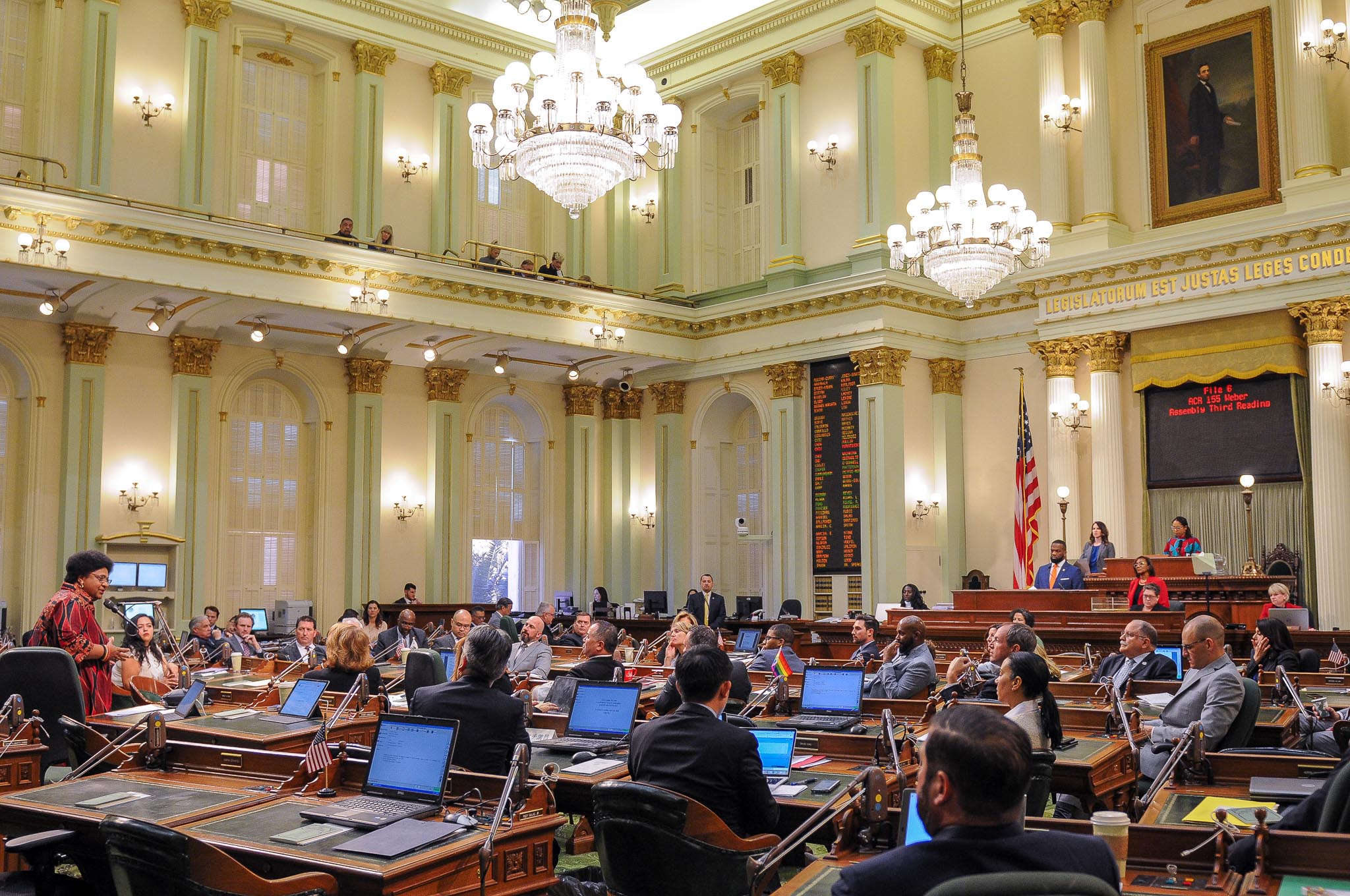
California State Capitol. (Photo: Katy Grimes for California Globe)
Some Suggestions for Those New to California Legislative Drafting
Drafting must be clear, concise, and highly precise
By Chris Micheli, October 16, 2026 7:13 am
The following are some suggestions for those new to legislative drafting in California, where I emphasize that legislative drafting must be clear, concise, and highly precise so that any third party can understand the intent without having been privy to the legislative discussions. My core advice for new bill drafters focuses on several structural, grammatical, and procedural principles:
Fundamentally, bill drafters want to translate a legislator’s policy goals into legally sound, unambiguous, and constitutionally compliant language embedded into California’s 29 statutory Codes.
Core Structural Reminders
Define the basics explicitly: Every single bill draft must answer two core questions: who is required or allowed to act, and what exactly are they required or allowed to do?
Include mandatory administrative elements: New drafters often focus only on the main policy and forget the administrative mechanics. Ensure your draft sets forth clear definitions, explicit exemptions, logical penalties, and necessary record-keeping requirements.
Write the bill title last: When managing titles, write them only after the bill text is fully finalized. This ensures complete alignment with constitutional rules like California’s single-subject rule.
Avoid “and” or “or” in titles: Using conjunctions in a bill’s title can inadvertently signal multiple topics, which risks violating single-subject requirements.
Constitutional Requirements: Every bill must include a relating/enacting clause (“The People of the State of California do enact as follows:”), adhere to the single-subject rule (California Constitution, Article IV, § 8–9), and properly express its subject in the title.
Statutory and Joint Rules: Follow Government Code § 9501.5 and the California Legislature’s Joint Rules (Rules 7–10) for structure, titles, separate sections, strikeout/italicized markings for code changes, and the Legislative Counsel’s Digest.
Language and Style Guidelines
Prioritize the active voice: Draft using the active voice, rather than the passive voice, to avoid any ambiguity regarding who is responsible for executing a statutory command.
Maintain rigorous consistency: Strive for semantic consistency. If you define a specific term or regulatory body, use that exact phrasing universally throughout the text to prevent judicial misinterpretation.
Adopt gender neutral and modern styling: Focus heavily on gender-neutral drafting practices and use lower-case text for the specific titles of public officials.
• Write in short sentences (ideally under 20 words).
• Prefer the singular tense.
• Be precise with modal verbs: use “shall” for mandatory duties, “may” for permissive actions, and “shall not” for strict prohibitions.
• Clearly define terms (“means” is exclusive and exhaustive; “includes” is non-exclusive).
• Presume prospective application unless retroactivity is explicitly and constitutionally intended.
Adhere to Legal and Institutional Forms
Master formal and informal rules: A successful drafter must balance formal rules (the State Constitution, statutory codes, and joint legislative rules) with informal rules (such as established principles of statutory interpretation used by courts).
Aim for “Legislative Counsel Form”: For a bill to cross an official desk, it must ultimately fit the strict formatting and structural standards of the Office of Legislative Counsel.
Justify complex clauses: If your draft amends existing voter-approved statutory initiatives or attempts to retroactively declare existing law, you must explicitly draft the statutory findings or “plus sections” to legally explain and justify why the legislature has the authority to make that specific change.
Code Integration and Structure
Finding the Right Code: California has 29 statutory codes and over 155,000 individual sections. You must determine whether you are creating a brand-new statute or amending or repealing an existing section.
Bill Organization Template
1. General Rule / Main Message: State the primary policy rule clearly upfront.
2. Exceptions: Explicitly carve out persons, entities, or circumstances excluded from the rule.
3. Special or Transitional Rules: Address phased rollouts, grandfather clauses, or conditional triggers.
4. Definitions: Place clear definitions to avoid judicial misinterpretation.
5. Effective Dates and Appropriations: Note whether the bill is a regular statute, an urgency measure (requiring a 2/3 vote and a specific statement of necessity), or contains a fiscal/appropriation component.
Working with Clients and Impartiality
Absolute Impartiality: You are a non-partisan, neutral legal advisor. Your loyalty is to the office and the constitutional process, not to lobbyists, interest groups, or outside drafters.
Attorney-Client Privilege and Confidentiality: Communications with the authoring legislator and their staff are strictly confidential. Gather as much background, policy intent, and operational context as possible to craft an airtight draft. Do not outsource your legal work to external lobbyists or outside attorneys.
Digest Keys: You are responsible for determining the bill’s Digest Keys, including whether a measure is keyed fiscal, requires a two-thirds vote, or imposes a state-mandated local program under Joint Rules and case law.


- Some Suggestions for Those New to California Legislative Drafting - October 16, 2026
- Transfers in General - October 16, 2026
- Disclosure of Medical Information - October 15, 2026
RELATED ARTICLES
-
 November 18, 2024
 -
 October 28, 2020
 -
 September 11, 2024