
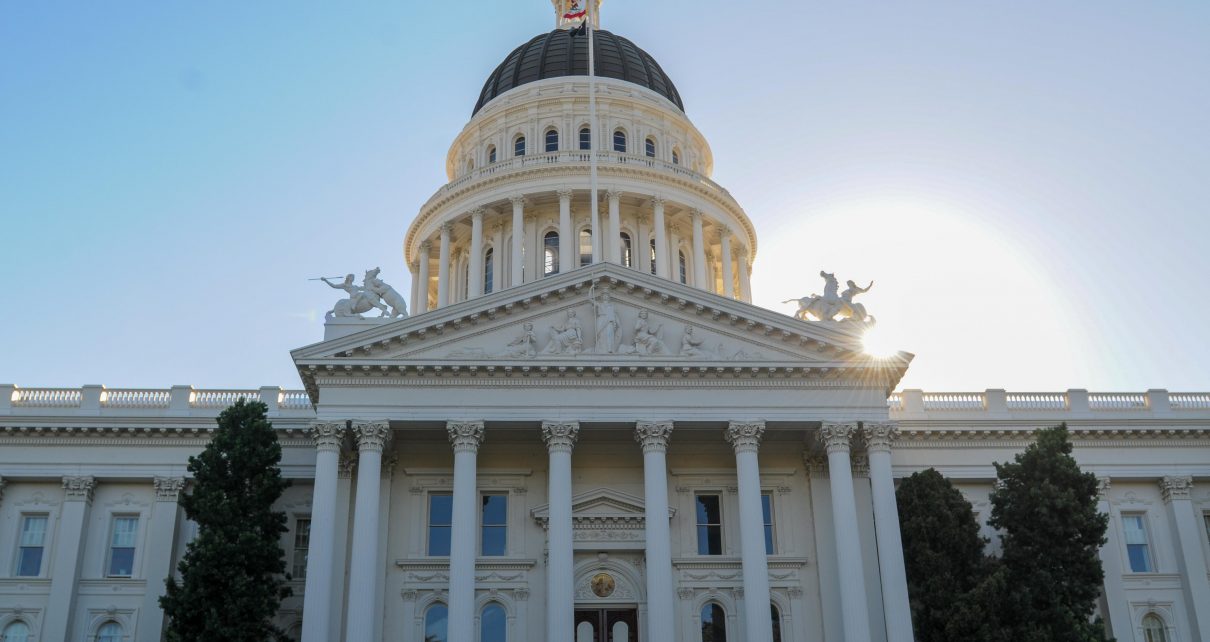
California State Capitol. (Photo: Kevin Sanders for California Globe)
Abuse of Elders or Dependent Adults
Deals with the effect of homicide or abuse of an elder or dependent adult
By Chris Micheli, June 14, 2026 2:00 pm
Part 7 of Division 2 of the Probate Code deals with the effect of homicide or abuse of an elder or dependent adult.
Section 250 provides that a person who feloniously and intentionally kills the decedent is not entitled to any of the five specified forms of property.
Section 251 states that a joint tenant who feloniously and intentionally kills another joint tenant effects a severance of the interest of the decedent so that the share of the decedent passes as the decedent’s property and the killer has no rights by survivorship.
Section 252 explains that a named beneficiary of a bond, life insurance policy, or other contractual arrangement who feloniously and intentionally kills the principal obligee or the person upon whose life the policy is issued is not entitled to any benefit under the bond, policy, or other contractual arrangement, and it becomes payable as though the killer had predeceased the decedent.
Section 253 states that in certain cases in which one person feloniously and intentionally kills another, any acquisition of property, interest, or benefit by the killer as a result of the killing of the decedent is to be treated in accordance with the principles of this part.
Section 254 provides that a final judgment of conviction of felonious and intentional killing is conclusive for purposes of this part.
Section 255 says that this part does not affect the rights of any person who, before rights under this part have been adjudicated, purchases from the killer for value and without notice property which the killer would have acquired except for this part, but the killer is liable for the amount of the proceeds or the value of the property.
Section 256 specifies that an insurance company, financial institution, or other obligor making payment according to the terms of its policy or obligation is not liable by reason of this part, unless prior to payment it has received at its home office or principal address written notice of a claim under this part.
Section 258 explains that a person who feloniously and intentionally kills the decedent is not entitled to bring an action for wrongful death of the decedent or to benefit from the action brought by the decedent’s personal representative.
Section 259 explains that any person is deemed to have predeceased a decedent to the where all four specified conditions apply. Any person is deemed to have predeceased a decedent to the extent provided if that person has been convicted of a violation of specified Penal Code provisions. The following terms are defined: “physical abuse,” “neglect,” “false imprisonment,” and “financial abuse.”


- Disclosure of Medical Information - October 15, 2026
- What Are Some Unique Aspects of the California Rulemaking Process? - October 15, 2026
- Defining Agency - October 15, 2026
RELATED ARTICLES
-
 September 11, 2019
 -
 February 24, 2023
 -
 December 12, 2020
Please put articles like this in plain english rather than lawyer speak so the average person who hasn’t majored in legal studies has a chance of understanding the content.