
Barrel of Woke Regret
DEI Rhetoric Turned Cracker Barrel into a Woke Corporate Punchline
By Richie Greenberg, July 27, 2026 11:52 am
Cracker Barrel finally waved the white flag. CEO Julie Felss Masino is stepping down, taking an expesive Woke experiment with her.
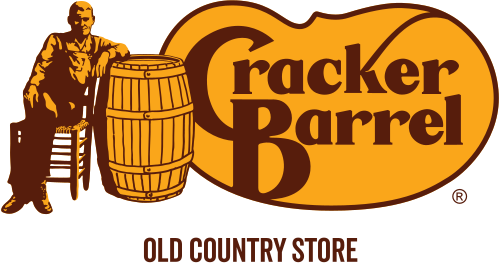
Her brief reign will be remembered less for biscuits and gravy than for a spectacularly tone-deaf 2025 rebrand that scrubbed the iconic Uncle Herschel – the overall-clad Old Timer leaning on a barrel – from the logo and tried to bleach the Americana out of America’s dining rooms.
What the rebrand architects pushed as “modernization” and “relevance” instead looked to millions of loyal customers like another chapter in corporate America’s ongoing love affair with woke DEI rhetoric: the compulsion to apologize for tradition, sanitize heritage, and chase imaginary younger demographics while alienating the people who actually pay the check.
Julie Felss Masino arrived at Cracker Barrel HQ 2023 with the perfect résumé for this particular strain of corporate self-harm. A Miami University communications grad, she had polished her progressive credentials at Starbucks, ran Sprinkles Cupcakes, done a stint at Mattel, and climbed the ladder at Taco Bell, J. Crew, Godiva and Macys. The Cracker Barrel board, staring at soft traffic and a brand it had decided was too old-fashioned for the TikTok era, hired her precisely because she spoke the language of transformation.
Sales were already slumping; the answer was not better food or sharper operations but a cultural makeover. In the boardroom’s eyes, the problem wasn’t the menu, it was the logo’s barrel, the rocking chairs, and the store’s unapologetic country aesthetic that somehow offended the new guardians of inclusion.
So in August 2025 the company rolled out the “woke” upgrade: a sterile text-only logo that erased Uncle Herschel and “Old Country Store,” plus plans to declutter the walls of their charming clutter and lighten the interiors into something resembling a bland WeWork office.
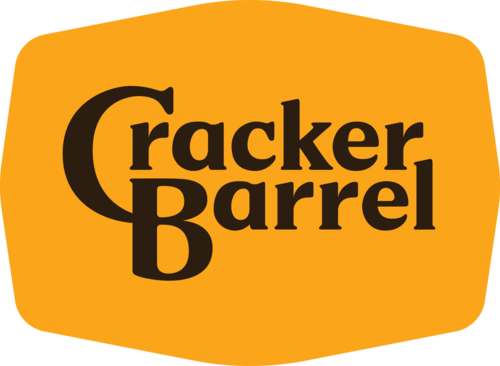
The official claim was highway-sign visibility and long-term relevance were needed. The subtext, amplified by the presence of board member Gilbert Dávila, (a consultant that specializes in “multicultural marketing” and DEI strategy), was the usual progressive grim reaper: traditional imagery is “exclusionary”, nostalgia is coded, and American brands like Cracker Barrel must constantly atone for their own history.
DEI rhetoric had done what it always does: convinced smart executives that their core customers are the problem to be solved rather than the asset to actually be served.
The market delivered its verdict – with brutal efficiency. Store traffic cratered roughly 10 percent the moment the new logo appeared. Same-store restaurant sales fell 4.7 percent in the next quarter and worse thereafter; retail lagged too.
Nearly $100 million in market value evaporated in a single trading day, with the stock eventually down around 32 percent year-to-date by late October 2025. Revenue and earnings guidance got slashed.
Customers didn’t need focus groups to tell them Cracker Barrel HQ had decided their loyalty was embarrassing. So, they simply stopped showing up.
“Go woke, go broke” is a passing yet popular cliché – until the quarterly numbers make it a balance-sheet fact.
Activist shareholder/investor Sardar Biglari, who has spent years fighting Cracker Barrel’s drift, pounced and pushed back. He targeted both Masino and Dávila, arguing the board and management were out of touch with the very people who built the company.
In the November 2025 shareholder meeting, investors rejected Dávila. The multicultural marketing and DEI specialist who had reviewed advertising and sat on the public-responsibility committee was shown the door.
Importing DEI consultants into the boardroom had not produced better results, just better lectures.
Fast forward to today, the company has already restored Uncle Herschel, halted the remodel program, and begun the long crawl back toward the brand’s actual identity.
Some resulting improvement followed, proving the obvious: customers prefer the Cracker Barrel they know.
This episode remains a textbook case of how woke DEI rhetoric poisons American companies and minds. It prioritizes ideological signaling over commercial reality, treats cultural inheritance as a liability, and installs specialists whose expertise lies more in grievance than in gravy.
Boards that hire for “innovation” often end up buying the latest progressive fashion instead of competence. Cracker Barrel’s near-death experience with the logo was never really about font sizes or highway visibility. America’s companies keep running the same experiment, acting shocked when the results arrive.


- Pelosi Must Press Connie Chan on Anti-Israel Stance - October 11, 2026
- Connie Chan: Failing Upward - October 5, 2026
- Wiener Faces San Francisco’s Jewish Voters - September 30, 2026
RELATED ARTICLES
-
 August 21, 2023
 -
-
 July 28, 2022
Maybe do the actual hard work of operational efficiency improvements and menu composition and rationalization instead of going the easy route of a stripped down logo and DEI adoption…
Well-written!
“So in August 2025 the company rolled out the “woke” upgrade: a sterile text-only logo that erased Uncle Herschel and “Old Country Store,” plus plans to declutter the walls of their charming clutter and lighten the interiors into something resembling a bland WeWork office.”
LOL That’s great!
I have never been to a cracker barrel, but I can relate the contrversy to a couple experiences.
I drank budweiser from 1974 until bud light trotted out cross dresser Mulvany. I instantly became a coors banquet drinker and will never go back to budweiser.
My then health insurance and then doctor’s office had questionaires which began with asking what gender I identified as and delved further into the insanity, I dropped them too.