

Handcuffs and Wooden Gavel.(Photo: Proxima Studio/Shuttertock)
Criminal Justice Legal Foundation Announces Lawsuit Seeking to Block New California Parole Regulations for Murderers Sentenced To Life
These rules exceed the Board’s legal authority and could allow early release for some of California’s most violent offenders
By Katy Grimes, July 15, 2026 7:23 am
Just about one year ago, Michael Rushford with the Criminal Justice Legal reported for the Globe that a unanimous panel of California’s Third District Court of Appeal rules that state law does not authorize the early release of murderers serving indeterminate sentences in state prison.
The court’s July 28 decision in the case of Criminal Justice Legal Foundation (CJLF) v. California Department of Corrections and Rehabilitation (CDCR) invalidates regulations adopted by corrections officials which had allowed the release of convicted murderers years before they had served the minimum term of 15 or 25 years to life in prison. The lawsuit, brought by the Sacramento-based CJLF on behalf of victims and their families, argued that the CDCR overstepped its authority by allowing the state’s most violent criminals to earn credits for good behavior (called “good time” credits) to reduce their minimum terms.
The Criminal Justice Legal Foundation (CJLF), led by its new President and CEO Anne Marie Schubert, former Sacramento County District Attorney, announced on July 10, 2026, that it is filing a lawsuit against the California Board of Parole Hearings challenging the Board’s new regulations on commutation and recall processes, set to take effect in October 2026.
CJLF argues these rules exceed the Board’s legal authority and could allow early release for some of California’s most violent offenders, including those sentenced to Life Without the Possibility of Parole (LWOP).
According to the CJLF, the regulations create a new administrative process enabling inmates who have served at least 25 years (including LWOP and “de facto LWOP” cases) to seek sentence reductions or gubernatorial commutations. This could lead to parole eligibility for thousands of inmates convicted of heinous crimes, such as murders of peace officers, children, multiple victims, or involving torture.
CJLF’s says the Board lacks statutory or voter authorization to alter sentencing laws this way. Life without parole was intended as permanent, and this process undermines victims’ rights and public safety by bureaucratic means rather than legislation.
A Press Conference about this legal challenge will take place today and will have CEO Anne Marie Schubert, Victims’ families including Sharon Rocha, mother of Laci Peterson, and families of other murder victims, Law enforcement leaders, former corrections officials, prosecutors, and victims’ rights advocates.
Former DA Schubert, who joined CJLF as CEO in January 2026, broke open the decades old Golden State Killer case.
“This lawsuit is about far more than one set of regulations,” said Anne Marie Schubert, President and CEO of the Criminal Justice Legal Foundation. “It is about whether an unelected administrative agency can create a new early-release process for some of California’s most violent offenders without approval from the Legislature or the voters. Victims’ families were promised that Life Without the Possibility of Parole meant exactly that. Instead, they are being forced to relive unimaginable tragedies decades after they believed justice had been served.”
The July 15 press conference will outline the legal basis for the challenge, explain why coalition members believe the regulations exceed the Board’s statutory authority, and highlight the impact these regulations could have on victims’ families, public safety, and the integrity of California’s sentencing laws, the CJLF notes.

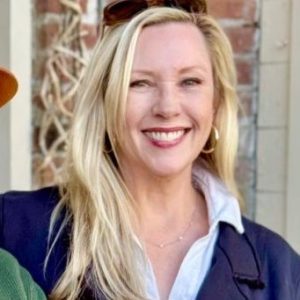
A California native and Navy mom, Katy lives in Sacramento, CA.
- American Consumers ‘Upbeat’ Spending; Californians Not So Optimistic - October 6, 2026
- If Xavier Becerra Wants to be Governor, He Needs to Show Up for the Campaign - October 5, 2026
- Why Injunctions Matter: Lessons From the Samsung-Collision Case - October 5, 2026
RELATED ARTICLES
-

-

-
 May 17, 2026