
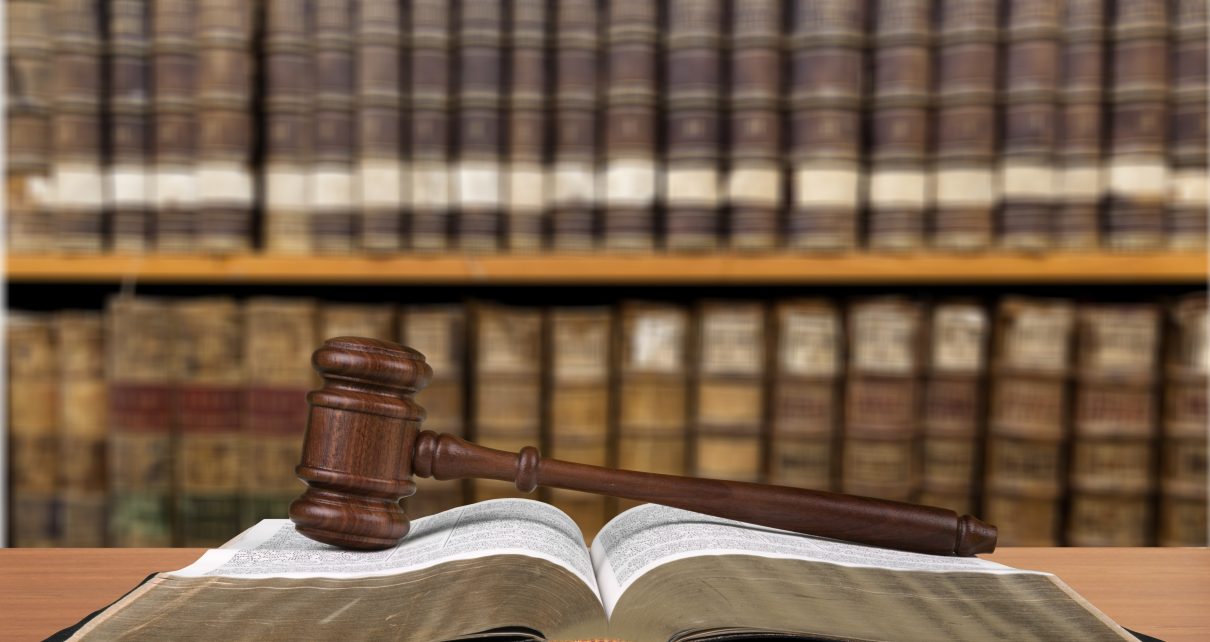
Legal System. (Photo: BillionPhotos/Shutterstock)
Lawsuit Abuse Is Raising California’s Cost of Living
California hands the attorneys pursuing these lawsuits too many tools
By John Allard, August 10, 2026 6:00 am
Ask anyone who runs a business in California what keeps them up at night and the answer is familiar: payroll, rent, energy costs, regulation, and an insurance bill that seems to rise every year. Less often discussed, but just as real, is the cost of litigation. Even before a lawsuit is filed, businesses price that risk into nearly every decision they make, from whether to hire another worker to whether they can afford to keep operating in California at all.
Start with the size of the problem. In 2022, tort costs in the United States reached $529 billion, or 2.1 percent of GDP, and the U.S. Chamber Institute for Legal Reform projects they could exceed $900 billion by 2030 if current trends continue. No legislature voted for that burden. No candidate ran on it. But families pay this tort tax anyway.
Nowhere is this tax more visible than California. The American Tort Reform Foundation’s latest “Judicial Hellholes” report calls California “the trial bar’s laboratory,” where lawyers pursue “innovative new theories of liability” and push the envelope on business liability. The same report notes that California produced 199 nuclear verdicts, meaning awards of $10 million or more, from 2013 through 2022, totaling more than $9 billion.
This is not an argument that lawsuits are inherently bad. A functioning civil justice system matters. People harmed by negligence deserve their day in court, and businesses that cut corners should be held accountable. The problem is that too much of California’s litigation system no longer appears designed simply to compensate victims or deter misconduct. It is increasingly built around volume, leverage, and settlement pressure.
That is because California hands the attorneys pursuing these lawsuits too many tools. With the exception of medical malpractice, where AB 35 raised and restructured California’s cap on noneconomic damages, the state has no broad, predictable limit on pain-and-suffering awards. That uncertainty helps explain why California remains such fertile ground for large verdicts and speculative claims.
The problem is especially clear in the Private Attorneys General Act, or PAGA Act. State law allows “aggrieved” employees to file lawsuits seeking civil penalties on behalf of themselves, other employees, and the State. In practice, this means PAGA claims filed in court take nearly twice as long as state-reviewed claims and provide workers only one-third of the compensation, while employers have paid nearly $10 billion in PAGA case awards.
Proposition 65 tells a similar story. What began as a consumer-warning law has become, in CalChamber’s words, a multimillion-dollar industry of “citizen enforcers” and “bounty hunters.” CalChamber reports that Proposition 65 settlements rose from more than 890 settlements totaling over $26 million in 2022 to more than 1,300 settlements totaling just over $101 million. Those costs do not vanish. They are absorbed through legal fees, settlements, compliance costs, and ultimately higher prices.
California’s courts have even invited novel theories that threaten innovation. In the Gilead “duty to innovate” case, the argument that a drugmaker could face liability not because an existing drug was defective, but because it allegedly failed to bring a different “safer” product to market sooner was considered seriously enough to make it all the way to the California Supreme Court. Fortunately, the case was ultimately dismissed, but it shows how litigation risk from even novel concepts can grow quickly in the state.
The same litigation impulse is now appearing in antitrust enforcement and is most apparent in lawsuits that several California governments have entered into against the manufacturers of fire trucks. Antitrust law has an important role to play when there is real collusion or anti-competitive conduct. But such litigation shows how it can also become another way to convert complicated market disruptions into high-stakes lawsuits.
Fire trucks have become more expensive and harder to obtain, a serious problem for localities in a state facing persistent wildfire risk. But the market for highly specialized emergency vehicles has also been strained by a host of issues, including inflation and labor shortages. Litigation may promise an easy explanation and the possibility of a recovery, but it will not make steel cheaper, fix supply chains, or immediately expand specialized manufacturing capacity.
That should matter to local officials and taxpayers alike. If these lawsuits add legal costs and uncertainty to an already strained market, the result may be higher procurement costs for the very governments bringing the claims. In the end, taxpayers could once again be asked to pay for both the alleged problem and the litigation response to it.
Fortunately, Sacramento does not need to wait for Washington to act. Other states have shown that reform is possible. Florida, once the number two state for nuclear verdicts as recently as 2022, dropped to number ten after enacting tort reform. Georgia passed major reforms in 2025 addressing issues such as phantom damages, jury anchoring, and third-party litigation funding that are already paying dividends as well.
The trial bar wants Californians to believe they must choose between justice and reform. That is a false choice. The real question is whether California courts will remain places to remedy real harm, or become a machine for shifting money from small businesses and families to lawyers and their financial backers. California taxpayers are already paying for the wrong answer. They deserve a Legislature willing to give them a better one.
John Allard has more than 30 years of public-service experience in state and local government and is the former mayor of Roseville, California. He was also a small business owner/operator in California for over 20 years.


- Lawsuit Abuse Is Raising California’s Cost of Living - August 10, 2026
- California’s Climate Lawsuit Avoids the Real Work - January 26, 2026
- AG Bonta’s Climate Lawsuit Escapade Will Hurt Californians - July 9, 2024
RELATED ARTICLES
-
-
 January 26, 2026
 -
 February 24, 2023
The inflationary growth in torts settlements is due to the compounded escalation in rulings based upon prior precedent awards. Personal injury law awards have become a social parasitism.
Approximately 76% to 80% of lawyers in California who make political contributions support Democrats, with the figure rising to 80–90% among graduates of elite law schools. That explains California. Anything corrupt is supported by Democrats.