
New CA Legislation to Restrain Governor’s Use of Emergency Powers
The LAO recommends the Legislature reassert its role to better balance the Governor’s need for flexibility with the Legislature’s ability to retain its core powers and oversight during and after emergencies
By Katy Grimes, April 22, 2026 10:13 am
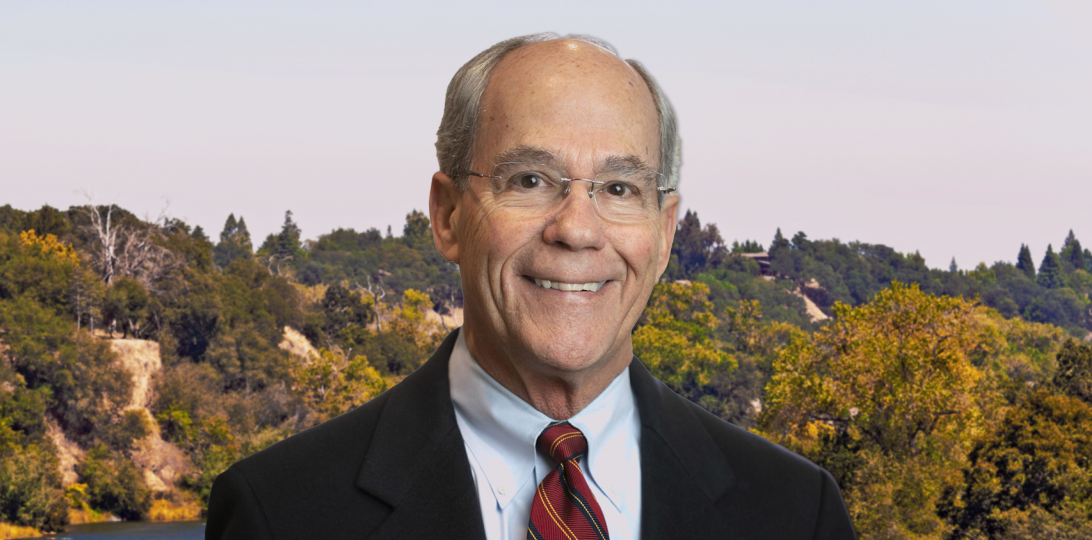
Senator Roger Niello (R-Sacramento) authored Senate Bill 1020 which would revise the California Emergency Services Act to add additional oversight on the California Governor’s use of emergency powers. SB 1020 would require actual justification when legislative processes are bypassed, as Governor Gavin Newsom did during the Covid flu, and it would expand reporting requirements related to emergency actions and expenditures.
While the Legislature can already terminate a state of emergency, there is no official process to evaluate ongoing emergencies statewide. In practice, emergencies can remain open for extended periods with limited legislative review, as occurred during the Covid flu years.
According to the Supreme Court of California Blog, “The Emergency Services Act gives California’s governor broad emergency authority. Typically, the state constitution requires policy decisions (what we should do going forward) to be made through the deliberative legislative process.[1] But in a crisis, that authority (what we should do right now) may be consolidated and exercised by one executive. After declaring an emergency, a governor may disregard statutory law to direct state resources in responding to the crisis. By granting the governor these powers, the state legislature delegated its power to fix public policy and deploy funds during emergencies. This raises some separation of powers concerns that, while meritorious, have not proved so severe that California risks dictatorship.”
Senator Niello’s bill aims to address this and reclaim the Legislature’s responsibility.
The California Legislative Analyst’s Office addressed this very issue in a 2025 report, which found:
The Legislature Has Granted Broad Authorities to the Governor to Respond to Emergencies, because disasters require swift action;
Emergency Laws Sometimes Cede Core Legislative Power Unnecessarily and Lack Adequate Oversight. We find that the current emergency laws lean more heavily toward giving the Governor flexibility to respond to emergencies than necessary at the expense of the Legislature’s core constitutional powers. This is particularly concerning given that there are often inadequate legislative oversight mechanisms in place. Specifically, we identify the following concerns:
- Governor Can Bypass the Legislative Process Unnecessarily.
- No Process to Ensure Authority Is Promptly Restored to Legislature. There is no formal process to assess whether a state of emergency should remain in effect. This has resulted in many remaining open longer than necessary.
- Limited Role for Legislature in Ongoing States of Emergency. There is no formal way for the Legislature to raise objections to or terminate specific parts of the Governor’s use of emergency authorities. Additionally, the Legislature does not have an opportunity to review and provide oversight of emergency expenditures before they occur.
- Limited Requirements to Provide Legislature With Information on Use of Emergency Authorities. Due to a lack of such requirements, the amount of information provided by the administration on emergency response activities has varied. Similarly, the Legislature has often received little information on how emergency response funds are being used.
-
Governor’s Emergency Spending Authority Lacks Oversight Mechanisms. The Governor’s emergency spending authorities are extremely broad and allow the Governor to spend an essentially unlimited amount of funds on emergencies with very little oversight.
To better balance the Governor’s need for flexibility with the Legislature’s ability to retain its core powers and exercise oversight during and after emergencies, the LAO recommends the Legislature reassert its role and authority without disrupting emergency response, as Senator Niello’s bill lays out.

I have followed other legislative attempts to rein in some of the governor’s emergency powers since the Covid lockdowns, which lasted nearly three years in California, and was a clear abuse of power.
Prior/Related Legislation
SB 1368 (Dahle) of 2022 would have required a State of Emergency to terminate 45 days after the Governor’s proclamation of the State of Emergency unless the Legislature extends it by a concurrent resolution. (Failed passage in the Senate Governmental Organization Committee).
SB 933 (Melendez) of 2022 would have required an emergency order to be narrowly tailored to serve a compelling public health or safety purpose and limited in duration, applicability, and scope, as specified, and would have removed the authority for DOF to extend DREOA allocations in 120-day increments through notification to the JLBC. (Never given a hearing in the Senate Governmental Organization Committee)
AB 1687 (Seyarto) of 2022 would have provided that the Governor may only suspend a statute or regulation during a State of Emergency in connection with the specific conditions of the emergency. (Vetoed by the Governor)
AB 2902 (Kiley) of 2022 would have required a State of Emergency to terminate 30 days after the Governor’s proclamation of the State of Emergency unless the Legislature extends it by a concurrent resolution, as specified. (Never given a hearing in the Assembly Emergency Management Committee)
SB 209 (Dahle) of 2021 would have required a State of Emergency to terminate 45 days after the Governor’s proclamation of the State of Emergency unless the Legislature extends it by a concurrent resolution. (Never given a hearing in the Senate Governmental Organization Committee)
You can see that there were five different legislative attempts during the Covid flu years to regain some control of emergencies. Notably, the only bill that made it to the governor’s desk, which meant it had bipartisan support, Gov. Newsom vetoed.
As for SB 1020, Senator Niello accepted the Committee on Emergency Management’s amendments:
Recommended amendments. Rather than establishing a State of Emergency renewal process as contemplated in this bill, the Committee may wish to consider amending the bill to direct the California Office of Emergency Services (Cal OES), the state agency tasked with implementing the ESA, to review open SOEs once each year and report to the Legislature with information that justifies keeping the SOEs open or warrants their termination. This approach provides the Legislature with a lookback mechanism and the opportunity to exercise existing authority under the ESA to take action on an SOE and all corresponding emergency orders based on information from the report.
Senator Niello’s SB 1020 actually creates a practical oversight mechanism.
According to Sen. Niello, “California’s susceptibility to frequent wildfires, storms, and public health crises necessitates a system for rapid action. To facilitate this, the Legislature enacted the Emergency Services Act, which grants the Governor broad authority to proclaim a State of Emergency. This delegation of power is intended to bypass the naturally slow and deliberative legislative process in favor of decisive executive action….Data shows that these emergencies often remain open for years, long after the physical threat has dissipated. The current structure creates a significant imbalance in power, as the Governor effectively determines when the standard legislative budget and policy processes no longer apply.
“SB 1020 creates a framework, based off of recommendations from the LAO, to determine what normal ‘budgetary and legislative processes’ mean; creates an automatic sunset of State of Emergencies at the end of the following fiscal year that the State of Emergency was declared; with an allowance to extend the State of Emergency if necessary; and establishes a mandatory report designed to inform the Legislature on which processes were effective and what improvements are necessary for future crisis responses.”


A California native and Navy mom, Katy lives in Sacramento, CA.
- Newsom Gaslights Over California’s Bad Student Test Scores - October 22, 2026
- How the DMV Enabled Voter Fraud in California - October 21, 2026
- Newsom Doth Protest Over DOJ Voter Fraud Allegations and 20,000 Noncitizens Receiving Ballots - October 20, 2026
RELATED ARTICLES
-
 December 16, 2020
 -

-

“No Kings”, remember, Democrats???
This limits King Gavin’s reigns of terror, and we citizens are grateful for the checks & balances contained therein…
Republican Senator Roger Niello is one of the good guys and kudos to him for authoring Senate Bill1020 that would revise the California Emergency Services Act to add additional oversight on the California Governor’s use of emergency powers. Hopefully it will go further than other Republican legislative attempts to rein in some of the governor’s emergency powers? No doubt the criminal Democrat thug supermajority in the legislature will quickly shoot it down?
Proud to say that he is my representative in the State Senator.
I wonder why this wasn’t done long ago. Only now it looks like the democrats may lose the governorship so they want to put reigns on the office. Oh the games they play.