
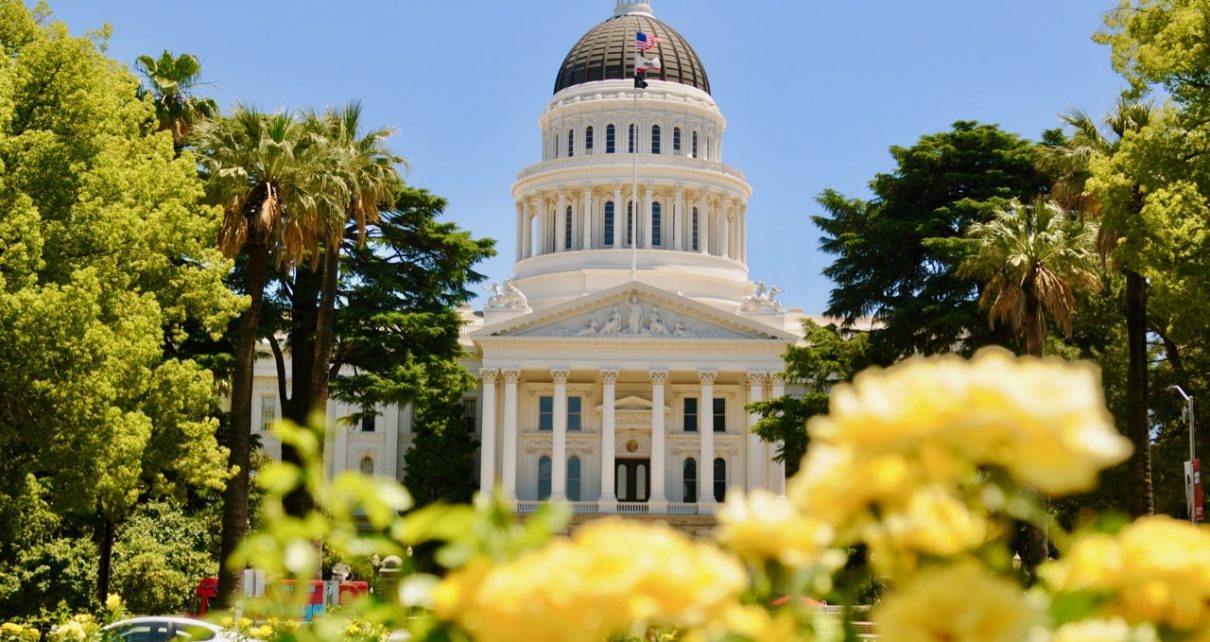
California State Capitol (Photo: Kevin Sanders for California Globe)
Introduction to Regulatory Drafting
Regulations can also be drafted by attorneys, lobbyists, interest groups, and others
By Chris Micheli, May 10, 2026 6:09 pm
What is regulatory drafting? Regulatory drafting or regulations drafting is the work done by state executive branch officials in agencies, departments, boards, commissions, and bureaus that have rulemaking authority under the California Administrative Procedure Act (APA). Of course, regulations can also be drafted by attorneys, lobbyists, interest groups, and others who want to propose the addition, amendment, or repeal of regulations in the California Code of Regulations (CCR).
As opposed to legislative drafting of bills, resolutions, and constitutional amendments to be considered by the Legislature, regulatory drafting concerns the lawmaking that is done by the executive branch of government in California. There are more than 200 state entities that have authority to adopt regulations.
Despite the different venue (executive versus legislative branch), and the different form of lawmaking (regulations versus bills), regulatory and legislative drafting are quite similar. The main goals of clarity, consistency, and the use of plain language are all key drafting concepts in both bill drafting and regulations drafting. Following the rules of proper grammar are similarly critical in both forms of drafting.
In some jurisdictions, the drafting of “secondary legislation,” including regulations, notices, executive orders, and similar documents are sometimes done by non-legislative drafting professionals. In California, like at the federal level, there are professional bill drafters for the Legislature, about 85 attorneys who work for the Office of Legislative Counsel.
Although the Legislature has considered establishing an Office of Regulatory Counsel to consolidate the drafting of regulations among those 200+ executive branch rulemaking entities, that office has yet to come to fruition. Again, in multiple jurisdictions, these types of offices exist within the executive office to oversee the drafting of secondary legislation.
Professional regulatory drafters utilize skills they have developed through drafting measures, primarily through on-the-job experience and training. Unlike poetry or most other forms of written expression, regulations drafters must select their words carefully to avoid unnecessary prose, as well as write in a simple, consistent format to reduce ambiguity.
Drafters of regulations will thoroughly research and understand the authoring statute and what needs to put forth in a regulation to implement, interpret, and make specific the statute that the executive branch entity is charged with administering.
It is important when drafting regulations to do so in conformity with the Administrative Procedure Act’s requirement. In addition, drafting clear and concise regulations will assist the regulated community, the entities that enforce the statute and regulations, and the courts. There should also be consistency among the regulatory language used, particularly those within a specific executive branch entity.
Moreover, drafting norms such as gender-neutral language and plain English should be followed. Keep in mind that plain language does not always work in regulations. For example, when drafting a regulation of a technical or scientific nature, the plain language concept may not be able to be followed in every instance. Instead, the regulatory language will reflect the technical nature of the substance of the proposed statute or regulation.
For someone experienced in drafting legislation, many of the rules and guidelines in regulatory drafting will be familiar. For those who work exclusively with the executive branch and engage in rulemaking activities, learning the key concepts and drafting principles used in legislative drafting will be helpful.


- Use of Dictionaries in California Statutory Construction - October 24, 2026
- Revocable Transfers on Death Deeds - October 24, 2026
- Significant Natural Areas - October 23, 2026
RELATED ARTICLES
-
 November 18, 2024
 -
-
 November 2, 2024