

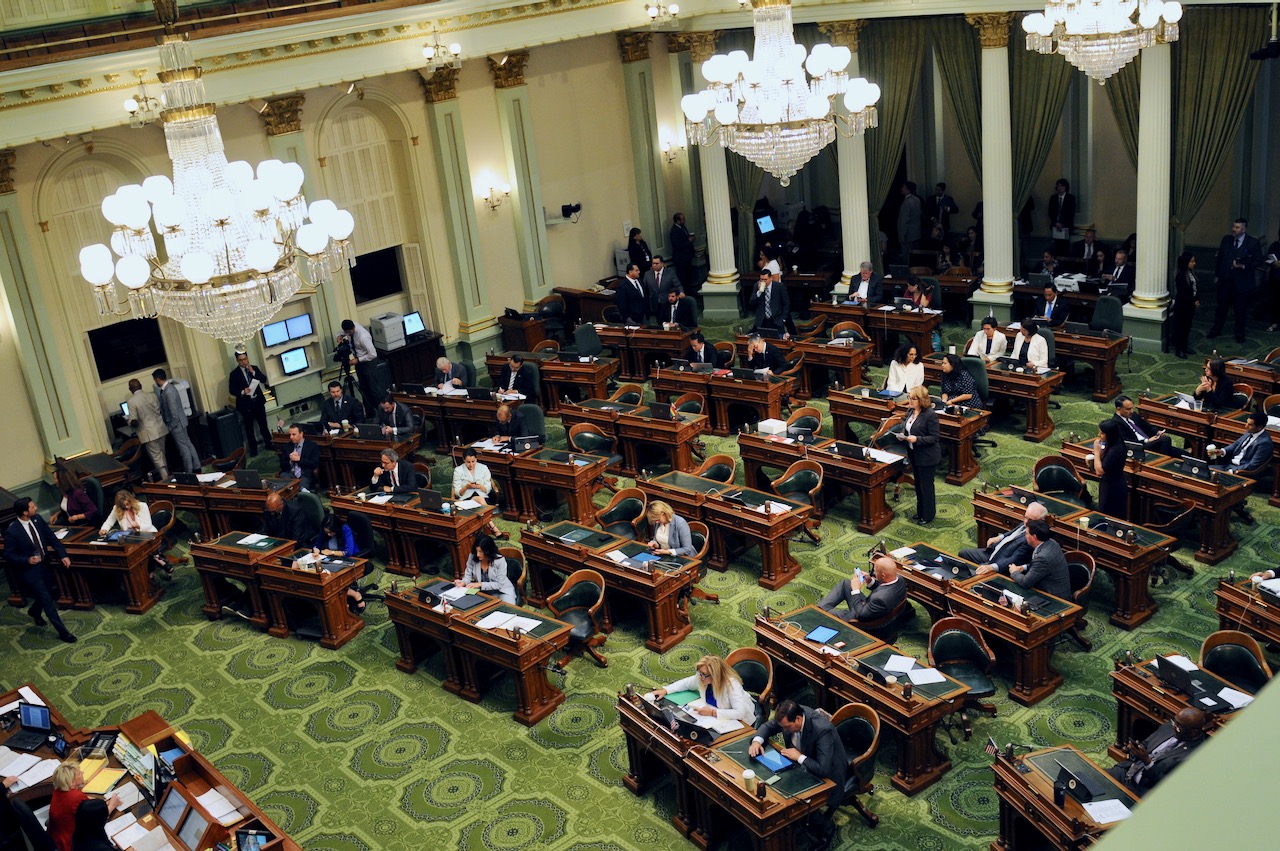
California State Capitol. (Photo: Katy Grimes for California Globe)
Advice on Navigating the California Budget Process
Recognize the Governor’s Built-In Structural Leverage
By Chris Micheli, November 19, 2026 7:06 am
My primary advice on navigating the California budget process emphasizes early public participation and focusing advocacy efforts strictly at the legislative subcommittee level. Individuals and interest groups looking to influence state spending revolve around several practical realities:
Target the Subcommittees, Not the Assembly or Senate Floors
The Real Decisions Happen Early: The budget bill is rarely modified once it hits the floor of the Assembly or Senate.
Subcommittees Act as Final Arbiters: Instead, five Senate budget subcommittees and seven Assembly budget subcommittees wield the actual power over programmatic spending. Public testimony, lobbying, and communication must happen here.
Recognize the Governor’s Built-In Structural Leverage
Executive-Centered Dominance: The governor holds immense leverage because they dictate the initial framework by proposing the budget in January, as well as the May Revision, and proposing numerous budget trailer bills.
The Power of the “Blue Pencil”: Always account for the Governor’s line-item veto authority. Even if you successfully lobby the Legislature to pass an appropriation, the Governor can unilaterally reduce or eliminate it, and overriding a veto is exceptionally rare.
Master the Fluidity of Modern “Budget Package” Mechanics
The Budget Is Never Truly “Done”: While the main budget bill passes by June 15th to satisfy the constitutional deadline, the budget process has become continuous.
Watch the “Juniors” and “Trailers”: Lawmakers routinely pass multiple “Budget Bills Junior” to amend the main budget text alongside dozens of policy-altering trailer bills throughout the fiscal year. Advocates must remain engaged well past June to track statutory shifts embedded in these trailers.
Consult the Proper Gatekeepers
A successful budget strategy requires monitoring two critical fiscal advisors: the Department of Finance (DOF) (advising the Governor) and the Legislative Analyst’s Office (LAO) (advising the Legislature). Understanding their revenue projections and departmental audits is vital before initiating a budget effort.


- Advice on Navigating the California Budget Process - November 19, 2026
- Tying California Legislative Drafting to Court Interpretation - November 19, 2026
- The Narrow Rule of Lenity in California - November 18, 2026
RELATED ARTICLES
-
 October 18, 2026
-
November 10, 2026
-
 March 24, 2025