
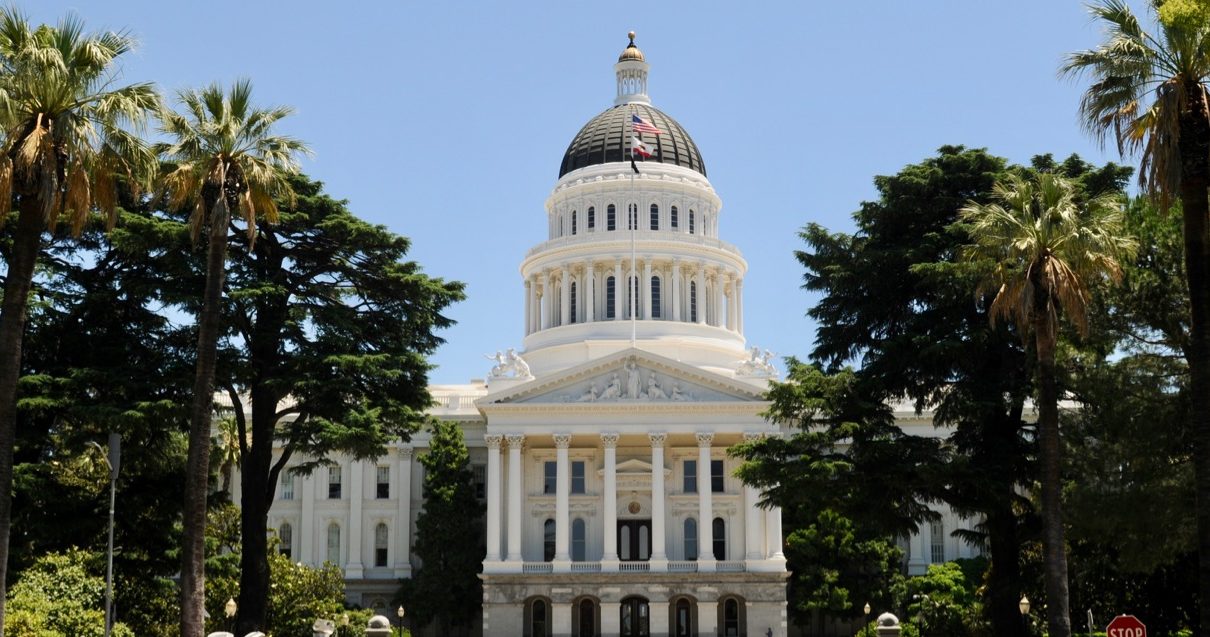
California State Capitol. (Photo: Kevin Sanders for California Globe)
Artificial Intelligence and Legislative Drafting
Should AI be used to actually draft proposed statutory language?
By Chris Micheli, October 8, 2026 2:30 am
What, if any, role does (or should) legal technology, and specifically artificial intelligence, play in drafting legislation in California? As AI becomes more prevalent in our everyday lives, does AI have a role in legislative drafting? If so, how can it be responsibly used?
For example, can generative AI be programmed or trained to ensure statutes are drafted in a clear, concise, and consistent manner? Should AI be used to actually draft proposed statutory language? Or should it be used to review drafted language as the language makes it way through the legislative process in the California Legislature?
Other examples could be: Can AI draft statutes in the active voice? Can it draft plain English language? Could generative AI be trained to catch the use of the passive voice or archaic legalese in California Codes?
Another interesting avenue could be whether automated software could be developed to sweep existing California statutes, as well as regulations, to identify and flag outdated language, or even conflicting language or definitions. It could also assist attorneys in the Office of Legislative Counsel eliminate gender-based terminology found throughout the 29 Codes.
As AI is increasingly impacting the legal community and everyday life, could it or should AI tools be integrated into legislative drafting or should it be precluded from being used?


- Artificial Intelligence and Legislative Drafting - October 8, 2026
- CA Supreme Court Cited a Lobbyist’s Memo as Legislative History - October 7, 2026
- Chart of Bill Signing Messages thru 2026 - October 7, 2026
RELATED ARTICLES
-
 October 22, 2020
 -
October 23, 2020
-
