

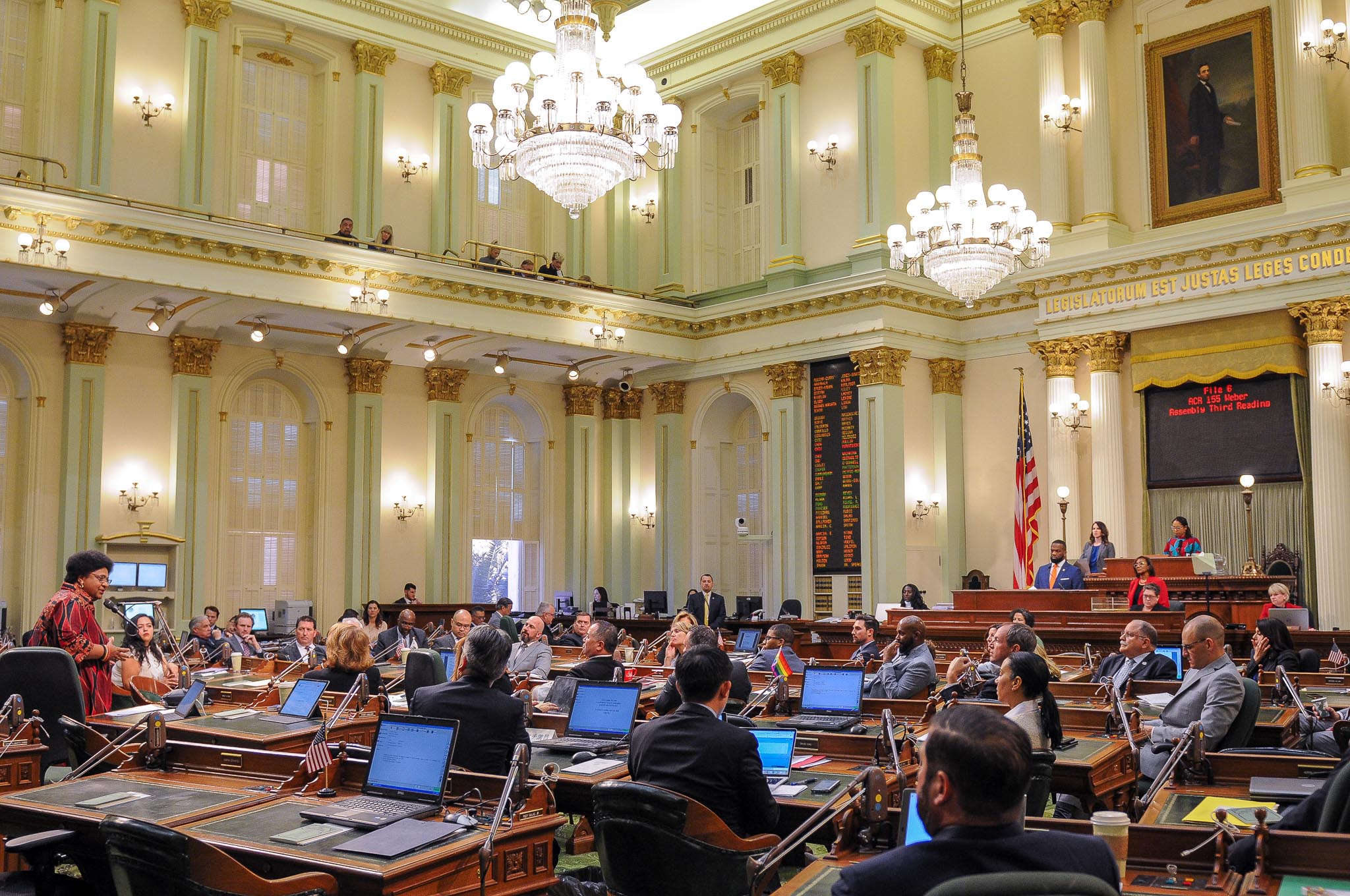
California Assembly. (Photo: Katy Grimes for California Globe)
Suggestions to Legislators, Staff, and Lobbyists on Bill and Amendment Drafting
I read the language of thousands of bills and amendments every year in the California Legislature
By Chris Micheli, May 12, 2026 2:00 pm
As I read the language of thousands of bills and amendments every year in the California Legislature, I think about the critical role played by the attorneys in the Office of Legislative Counsel, and their work with elected officials, their staff, and interested parties in drafting bills for introduction, as well as amendments to those measures.
In recognizing their important role in drafting future statutes for generations to come, I also recognize the importance of assisting the attorneys at OLC in their drafting endeavors. And that assistance comes from legislators, staff, and lobbyists in particular. In other words, those who are directly involved in legislation also have responsibility in legislative drafting. It does not just fall on the shoulders of the Legislative Counsel Deputies.
As a result, I put together a handful of suggestions to elected and appointed officials, their staff, lobbyists, and interest groups when it comes to drafting legislation. They are the following:
- If you are involved in extensive negotiations over bill language, consider including an attorney from OLC being directly involved so that the bill draft reflects the intent of those involved in the negotiations and helpful drafting suggestions by the OLC attorney can be made along the way.
- Do not request a severability clause in your bill. It is not needed. Courts in this state will sever any unconstitutional provisions.
- Provide findings and declarations and statements of legislative intent only when needed. Examples include when you have a bill proposing a new program, or a controversial bill that may be challenged in court, or one that needs regulations to be adopted. These types of statements, although they are becoming more common, are not needed for most bills.
- For a bill that needs an urgency clause or a bill that is a special statute, provide the OLC drafting attorney with at least a paragraph explanation to justify these types of provisions. Don’t make OLC come up with that language. That is your responsibility.
- When you are amending a voter-approved statute, provide the OLC drafting attorney with at least a paragraph explanation why your changes are necessary to further the purposes of the initiative measure. Don’t make OLC just use form language that lacks any explanation or justification for the law changes. That is your responsibility.
- Do not make changes to the Legislative Counsel’s Digest when you submit amendments. That is the domain of the OLC drafting attorney.
- If you want findings and declarations, or legislative intent statements, prepare those yourself and show your work. In other words, where did these statements come from? What is their basis? Cite the source. These statements are not simply your opinion. These will be in statute for years to come.
- Promptly return the call or email from the OLC attorney. They have lots of bills and amendments and are trying to move through them.
- Attorneys at OLC are there to help make your bill language as clear and legally correct as possible. They don’t have an opinion on your policy goals. Work with them, not against them, and your bill will be better.


- Nonprofit Public Benefit Corporations - October 26, 2026
- Court Jurisdiction and Venue - October 25, 2026
- Use of Dictionaries in California Statutory Construction - October 24, 2026
RELATED ARTICLES
-
 August 31, 2025
 -
 November 18, 2024
 -
 October 18, 2018