

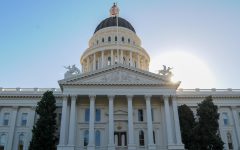
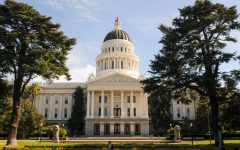
California State Capitol. (Photo: Katy Grimes for California Globe)
Considering Legislative Statements with Unambiguous Statutes
Today California statutes and bills contains legislative directives
By Chris Micheli, October 12, 2026 2:00 pm
As a general rule, California courts only consider extrinsic evidence (such as committee or floor analyses) when a statute is ambiguous. In other words, if a statute is clear, then the plain meaning of the language controls and there is no reason to consult other evidence of legislative intent.
However, I raise the question whether legislative statements, such as findings and declarations, that are codified or uncodified by the bill adding or amending the statute at issue in litigation be considered by the courts regardless of whether the language is “ambiguous” to them.
In other words, even if a statute is “unambiguous,” (although if it is that abundantly clear, why would there be litigation?) should the courts review legislative findings and declarations or statements of legislative intent in order to ensure that the court’s interpretation of the statute is consistent with the findings and declarations, and/or legislative intent statements?
Today California statutes and bills contains legislative directives, such as explicit instructions to “liberally construe” a law, statutory statements of intent, or legislative findings. I believe these provisions should be consulted even when a statute appears unambiguous because the directives themselves are part of the enacted statutory text.
While the general rule of statutory interpretation dictates that courts only look to extrinsic legislative history (like floor debates or committee reports) when a statute is ambiguous, an enacted directive is intrinsic to the law. They reflect the collective view of the legislature. As a result, the California judiciary should utilize these directives.
Again, the directive (such as uncodified statements of legislative intent), unlike background legislative history, are actually voted on and passed by the Legislature as a whole and they are statutes enacted into law. Because they are a part of the text that the court is reviewing, judges can and should read them alongside the operative provisions to guide their overall application.
Moreover, we know that the California Supreme Court has at times looked to legislative context to ensure that a seemingly “plain” reading does not lead to absurd results or conflict with the clear policy goals of the Legislature. In fact, a statutory directive like legislative findings and declarations can confirm that the court’s straightforward interpretation aligns with legislative intent, and can clarify the boundaries of the law if a party argues that the “unambiguous” text creates an unintended loophole.
This approach still maintains the separation of powers under Article III, Section 3 of the California Constitution. While the judiciary is the final authority on what a statute means, the California Legislature frequently uses phrases like “this article shall be liberally construed by the courts of the state to effectuate the intent of the legislature” to signal its policy mandates. Courts of this state can and should respect these clauses as legitimate exercises of legislative power aimed at influencing the outcome and scope of a policy, rather than micromanaging the day-to-day judicial process.
As a result, while California courts traditionally do not rely on legislative directives or history when a statute is clear and unambiguous, I believe they should consider them to confirm statutory meaning, ensure the broader legislative purpose is met, and safeguard the constitutionality of a law.


- Considering Legislative Statements with Unambiguous Statutes - October 12, 2026
- Disposition of California Assembly Bills - October 12, 2026
- Snapshot of Bill Signing Messages - October 12, 2026
RELATED ARTICLES
-
 September 11, 2024
 -
 August 3, 2024
 -
 August 19, 2025